
Guwahati Faces Severe Air Quality Crisis Amidst Rising Pollution Levels

Guwahati's Air Quality Decline
Mornings in Guwahati have become increasingly obscured by a persistent haze. The hills in the distance appear blurred, the air feels denser, and a layer of dust hangs in the atmosphere throughout the day.
This February, the city's air quality index (AQI) surged to 294, categorizing it as 'poor' and raising alarms among health professionals and environmental officials.
For many locals, the sight of a smoky skyline, dry dust, and ongoing throat irritation serve as constant reminders of the deteriorating air quality.
Pollution Levels on the Rise
The air quality in Guwahati has significantly worsened this month, with pollution levels oscillating between 'satisfactory' and 'poor'. According to data from the Assam Pollution Control Board, the AQI fluctuated between 100 and 200 from February 17 to 22, which is considered satisfactory, but this relief was short-lived.
Earlier in the month, from February 1 to 3 and again from February 12 to 16, the AQI reached the 200-300 range, classified as poor. On February 16, it peaked at 294, marking one of the highest levels recorded this season and indicating a serious decline in air quality.
The situation has been exacerbated by a lack of rainfall, which usually helps to disperse pollutants and enhance air circulation.
Pollution from construction activities, vehicle emissions, and dust from the banks of the Brahmaputra has further aggravated the problem.
Expert Insights on Pollution Trends
Dr. Gautam Kumar Mishra, Chief Environmental Scientist at the Pollution Control Board, noted that this trend aligns with a seasonal pattern. He explained that pollution levels typically rise between January and March due to dry weather and stagnant atmospheric conditions.
"This year follows the same pattern. However, compared to the last two or three years, the air quality is slightly improved. The AQI between 100 and 300 is classified as satisfactory to poor. Rainfall would greatly alleviate pollution levels," he stated.
Sources of Air Pollution
The Pollution Control Board identifies PM10 and PM2.5 as the primary pollutants in Guwahati, both of which pose serious health risks as they can enter the respiratory system.
PM10 particles, which are larger but still harmful, are primarily generated from:
- Dust and construction activities: 32%
- Vehicle emissions: 19%
- Industrial smoke: 16%
- Burning of wood, coal, or biomass: 9%
Conversely, PM2.5 particles are more dangerous due to their smaller size, allowing them to penetrate deep into the lungs and bloodstream. In Guwahati, these are mainly produced by:
- Vehicle emissions: 52%
- Road dust: 16%
- Household and commercial cooking: 16%
- Industrial smoke: 6%
- Construction: 4%
- Burning crop residue and leaves: 3%
These statistics from the PCB clearly indicate that vehicles are the leading source of fine particulate pollution in the city.
Health Risks and Pollution Hotspots
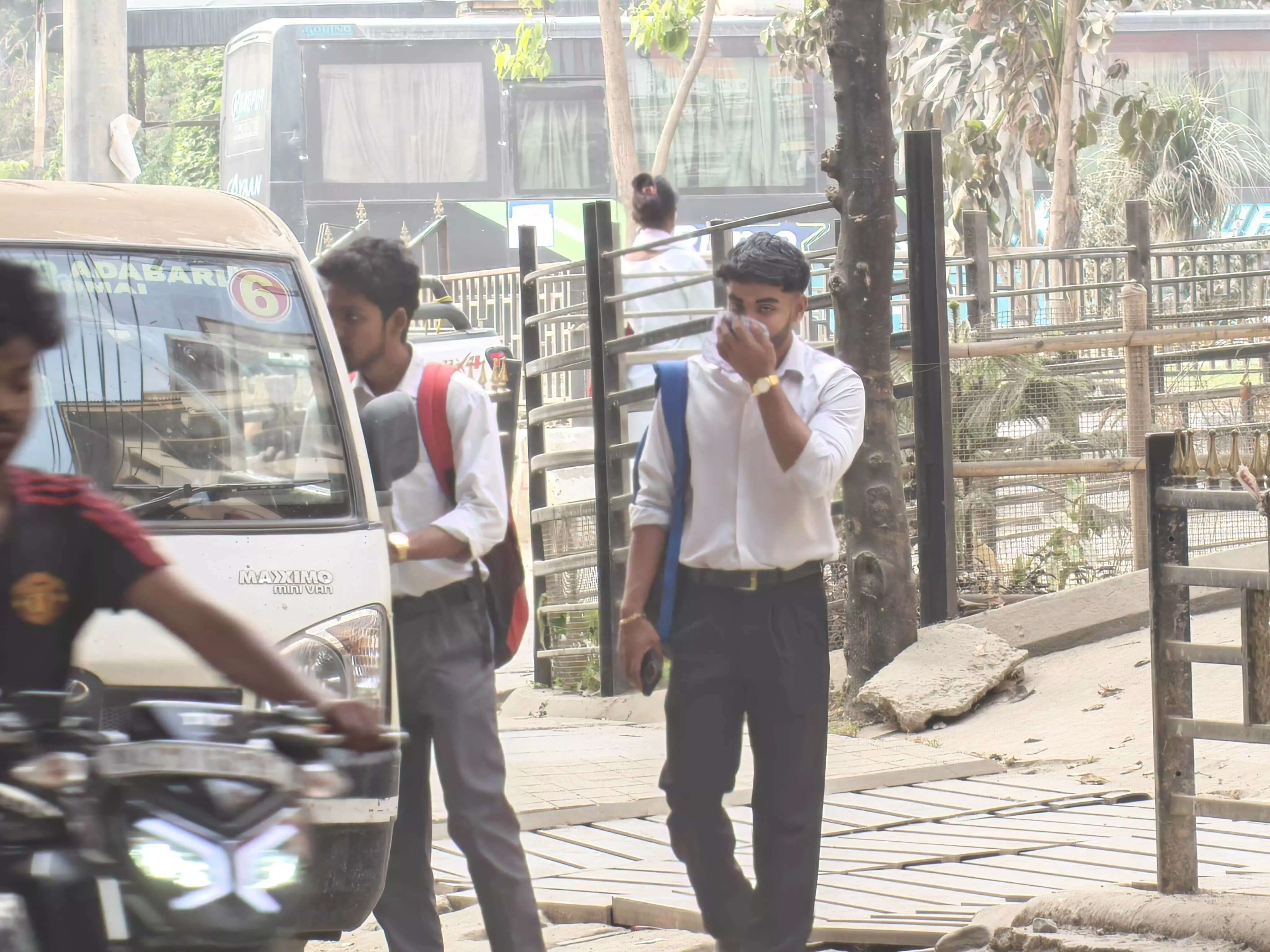
With construction dust and vehicle smoke in the air, Guwahati residents brace for a season of poor air quality
Certain neighborhoods, such as Bamunimaidam, have experienced a more pronounced increase in pollution levels. Dr. Mishra attributes this to a lack of effective preventive measures, such as regular road watering and stricter control of construction dust.
"These fine dust particles are extremely harmful. They can easily enter the body through the nose and lungs. People should wear masks and limit outdoor activities during this time," he advised.
Medical professionals warn that escalating pollution levels heighten the risk of respiratory diseases, asthma, allergies, and long-term cardiovascular issues. Vulnerable groups include children, the elderly, and individuals with pre-existing health conditions.
Anticipating Rain for Relief
Relief may hinge on upcoming weather conditions. The regional meteorological center has forecasted the possibility of light rainfall in Assam and the wider northeastern region over the next five days, although expectations remain tempered.
Dr. Sanjay O’Neill, head of the Regional Meteorological Centre, mentioned that while some areas of Assam, Arunachal Pradesh, Meghalaya, and Nagaland might receive light showers, the likelihood of rain in Guwahati is low. Cloudy weather is anticipated in the city for the next week.
"Even a couple of rain spells could significantly lower pollution levels. However, until March, the AQI is expected to stay within the satisfactory to poor range. Some relief may come in April," he added.
Addressing Urban Pollution Challenges
The increasing pollution in Guwahati reflects a broader urban challenge. Rapid construction, rising traffic, expanding commercial activities, and inadequate environmental management are converging to create a significant issue for the city.
While authorities have implemented some measures, experts emphasize the need for long-term solutions. These should include stricter monitoring of construction sites, promotion of public transport, improved road maintenance, increased green cover, and enhanced awareness campaigns.
For now, residents continue to cope with the haze, adjusting their routines, wearing masks, and hoping for rain. Yet, as the situation persists, the pressing question remains: will Guwahati take action before the air quality deteriorates further?