
Environmental Concerns Rise Over Tree Felling for Railway Flyover at Deepor Beel
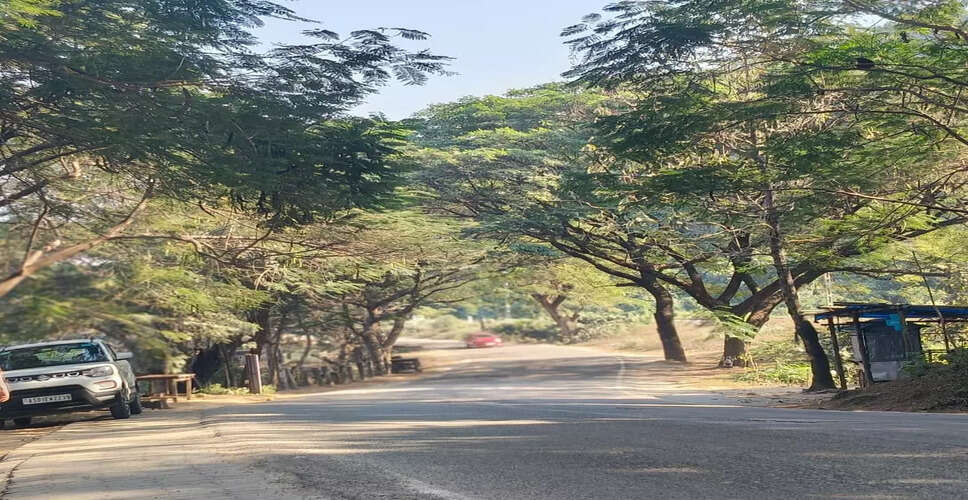
Growing Environmental Concerns at Deepor Beel
Guwahati, Dec 20: The serene wetlands of Deepor Beel, recognized as the only Ramsar site in the region, are facing increasing environmental scrutiny as over a hundred trees have been earmarked for removal to make way for a new elevated railway flyover.
The planned structure will span nearly 5 kilometers and rise 21 feet above ground, intended to replace the existing railway track that runs perilously close to the wetland.
According to official data, the current railway route poses significant risks to wildlife, particularly elephants, with approximately 15 fatalities reported in recent years due to train collisions.
This flyover aims to mitigate these dangers by providing a safer route for wildlife.
While the initiative to reduce human-animal conflicts has been largely supported, the decision to mark trees for cutting has alarmed local residents, environmental advocates, and small business owners who rely on the area's natural beauty.
The trees surrounding the beel are crucial for the ecosystem, offering habitats for various bird species and supporting tourism.
Conservationist Pramod Kalita acknowledged the benefits of the flyover but expressed concern over the extensive tree removal.
“While the flyover will aid both humans and wildlife, the extensive tree cutting is troubling. These trees not only attract tourists but also provide nesting sites for numerous birds,” he remarked.
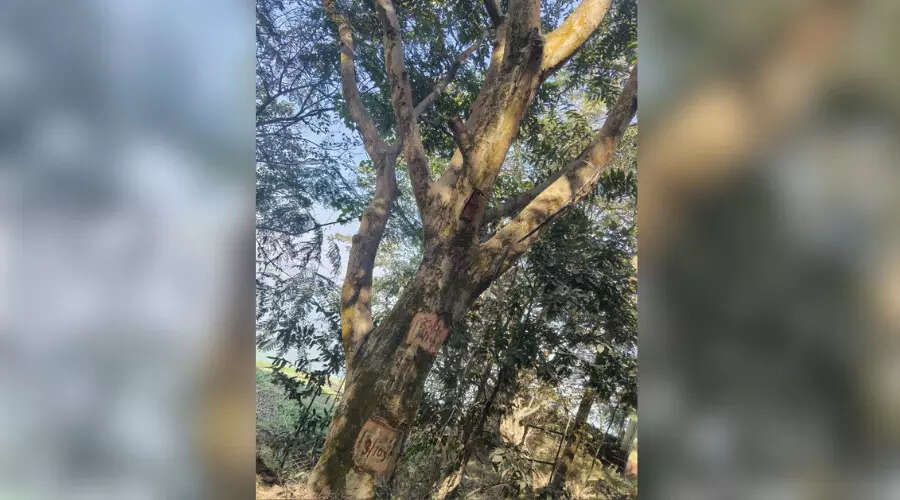
Trees marked for removal near Deepor Beel
Kalita also pointed out that information obtained through the Right to Information (RTI) Act indicated that tree removal should only occur when absolutely necessary, and alternatives like translocation should be considered.
Residents claim that these protective measures are not being properly implemented, as large areas of trees have been marked for cutting.
Local shopkeepers and residents near the beel are concerned that the loss of greenery will adversely impact their livelihoods. Many depend on the influx of visitors attracted by the wetland's picturesque environment, and they fear that a decrease in foot traffic could lead to business closures.
Local resident Nagen B. expressed that this decision could irreparably harm the area's allure.
“The charm of Deepor Beel has been preserved by these trees. If they are removed, the natural beauty will disappear, tourism will decline, and those who rely on this place will suffer,” he stated, urging authorities to ensure replanting if tree removal is unavoidable.
Environmentalists and local residents have now called on railway officials and the Forest Department to consider alternative construction methods that would minimize tree loss and maintain the ecological integrity of the wetland.
In response to these concerns, a railway representative defended the project, asserting that the flyover is part of a broader development initiative and complies with court directives.
“There have been numerous elephant fatalities due to railway crossings. This overpass will address that issue. A decision was made in collaboration with the Forest Department to only cut trees that are absolutely necessary,” the official stated, adding that compensatory planting would occur post-construction.
The official further mentioned that the project is anticipated to be completed within six months and will ultimately benefit both wildlife conservation and rail-based economic activities.