
Electric Poaching Threatens Wildlife and Local Communities in Nayagarh
Concerns Over Electric Poaching in Nayagarh
Nayagarh: The use of live electric wires by poachers along forest paths in the Ranpur range, as well as in the Khurda and Nayagarh forest divisions, has raised significant alarm among local residents and wildlife advocates.
Over the last eight years, reports indicate that three individuals, one elephant, and over 1,500 wild boars have perished after coming into contact with these illegal wires. While these wires are primarily set up to hunt wild boars that damage crops, they inadvertently cause the deaths of other wildlife, including elephants.
Despite the ongoing issue in various forested regions of Nayagarh district, there has been minimal action to address the situation. Notably, three individuals lost their lives after accidentally stepping on these electric snares in the Bahadajhola forest within the Odagaon range, as well as in Datta Pokhari and Khajuria forests.
Additionally, a tusker was electrocuted in the Dhipisahi jungle area of the Chamundia wildlife range. Reports suggest that poaching activities are increasing in Nayagarh's forests, fueled by a growing boar population, dense bamboo thickets, and a decline in food resources for wildlife.
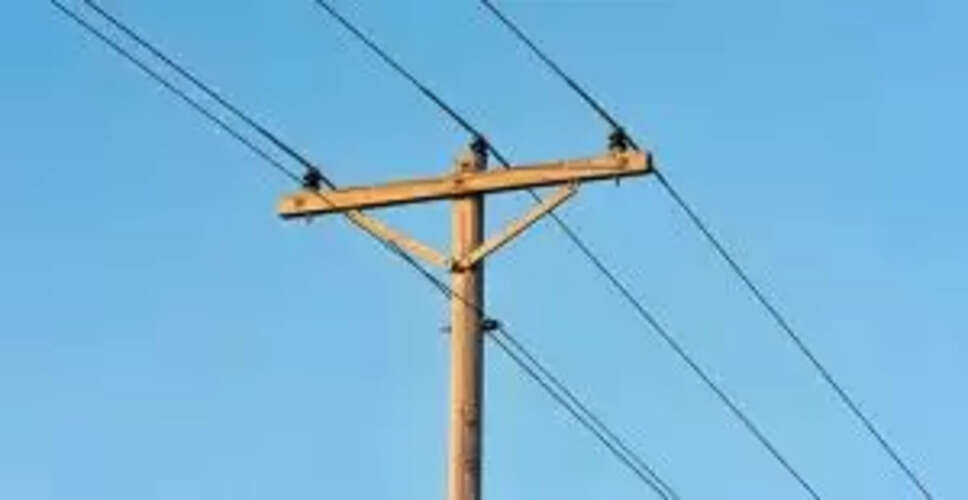
As animals venture closer to human settlements in search of food, poachers are taking advantage by placing live wires near agricultural lands. These traps, typically constructed from live electric wires sourced from nearby poles, involve the use of iron wires, wooden stakes, or fencing. Key hotspots for these activities include the Manibhadra forest, Satapuri hill, Ostapata, and Patikata jungles within the Gania forest range, as well as Raigadia, Chirini hills, and several other areas.
When an animal gets caught in these live wires, the power supply is cut off. Poachers then disconnect the wire from the transmission line to retrieve the carcass. They often remain nearby to collect their kill, resulting in prolonged power outages in areas where these traps are set, especially at night. In many villages, electricity is restored only after the poachers remove their illegal connections. This issue is particularly severe in the forested regions of Kotapokhari, Gadiashahi, Singhapada, Kiajhara, and Khalisahi panchayats within the Khandapada block.
Due to the frequent use of live wires for poaching, these villages experience darkness during nighttime hours. When reached for comment, Divisional Forest Officer Kshyama Sarangi stated that action is taken whenever complaints regarding electric snares are reported. She confirmed that measures have also been implemented following the deaths of elephants, and the Forest Department is conducting awareness campaigns to discourage the use of live wires for poaching.