
YouTuber Kim Se-Ui's Detention Appeal Denied Amid Defamation Charges
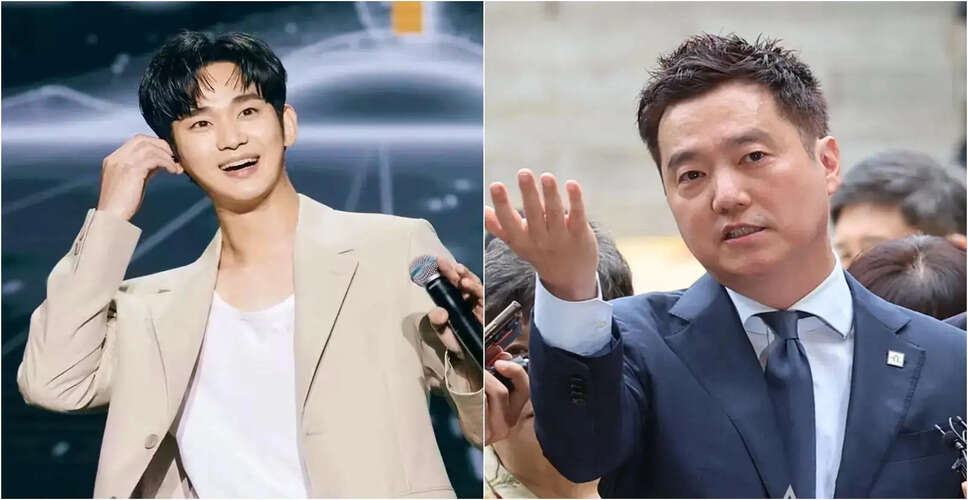

Kim Se-Ui's Appeal Rejected
The appeal made by YouTuber Kim Se-Ui against his detention in the case involving actor Kim Soo-Hyun has been turned down. The head of the Garo Sero Research Institute, a channel known for its controversial content, will remain incarcerated as the court dismissed his request to reassess the legality of his detention. Se-Ui argued that his arrest was unlawful and sought a retrial, but the court ultimately rejected his appeal. He faces accusations of disseminating false information regarding the actor known as the Queen of Tears through his YouTube broadcasts. Recently, Kim Soo-Hyun's legal representatives also pursued the permanent removal of Se-Ui's YouTube channel and filed a lawsuit for damages amounting to 12 billion won, linked to a dating scandal involving the late actress Kim Sae-Ron.
Authorities allege that Kim Se-Ui repeatedly made false assertions, including sharing manipulated images, while claiming that Kim Soo-Hyun was romantically involved with Kim Sae-Ron when she was underage. Prior to his arrest, Se-Ui publicly denied all allegations against him. During a warrant hearing, he maintained his innocence and expressed his intention to contest the charges in court.
Court Dismisses Review Petition
Court rejects Kim Se-Ui's review petition
Following the court's approval of his arrest warrant, Kim Se-Ui criticized the decision, labeling it an unjust exercise of judicial authority. He subsequently filed a petition to challenge the legality of his detention in hopes of overturning the ruling. However, the court found his arguments unconvincing. The judges determined there was no basis to reverse the detention order and denied his request.
Claims of False Evidence
Court claims false evidences
Kim Se-Ui's appeal has intensified the controversy, as he contended that his imprisonment was damaging the reputation of the deceased Kim Sae-Ron and impacting her grieving family. Critics have pointed out that his comments seemed to shift the focus of the allegations onto the late actress. He is currently facing multiple criminal charges, with investigators stating that he disseminated false information numerous times and improperly shared images related to Kim Soo-Hyun. Additionally, he is charged with attempted coercion, intimidation, and violations of South Korea's anti-stalking laws.
Stalking Allegations
Stalking behaviour
In South Korea, the Stalking Punishment Act defines the disclosure of personal information or images online as potential stalking behavior. Authorities believe that some of the content disseminated by the Garo Sero Research Institute falls under this category. Investigators suspect that Kim Se-Ui did not adhere to protective measures intended to prevent further stalking-related actions. Reports indicate that he may have breached these restrictions multiple times, exacerbating the severity of the case. Kim Soo-Hyun's legal struggles are far from over, and the decision to keep Se-Ui in custody marks a significant development. Se-Ui has vowed to contest the allegations and intends to pursue legal action upon his release, but while detained, he will continue to face questioning and investigation. As the case progresses, prosecutors are expected to delve deeper into the allegations surrounding the broadcasts, the veracity of the circulated materials, and any additional criminal liability.