
Why Do We Delay Watching Movies? The Psychology Behind Our Digital Watchlists
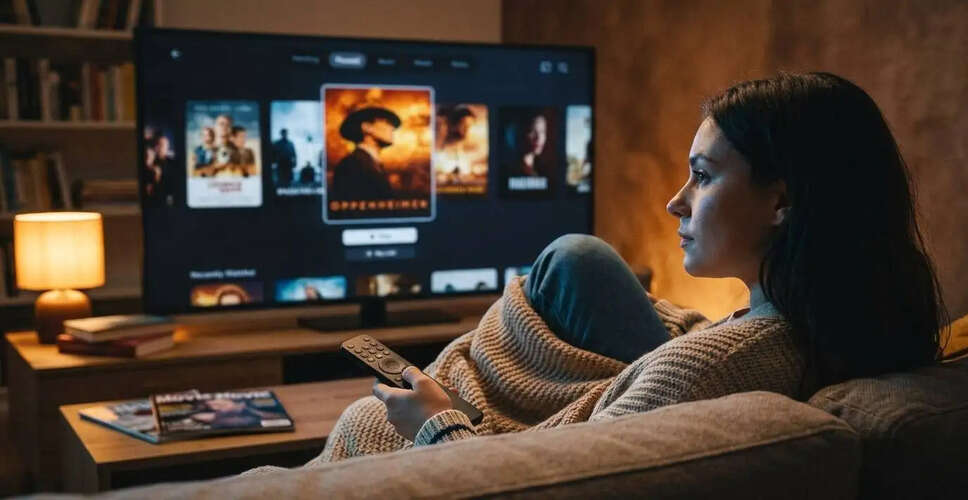

The Digital Watchlist Dilemma
For many movie lovers, the digital watchlist has transformed into a collection of good intentions. It's not unusual for films to linger in a queue for weeks or even months, awaiting the perfect moment for the viewer to dive in. While some might label this as procrastination, others believe that waiting for the right mindset is essential for fully appreciating a film's depth.
Respecting the Art of Film
Content creator Tara Roy emphasizes that this waiting period often stems from a desire to honor the medium. Since films aren't constrained by immediate deadlines, viewers feel empowered to wait until they are mentally prepared to engage with the narrative. This is especially true for intricate or lengthy films that require more than just passive viewing.
Many viewers, like Dhruv Singh, a professional who carefully curates his viewing schedule, choose to delay watching films to avoid a mediocre experience. He prefers to wait for the right mood before tackling critically acclaimed films such as Oppenheimer. For him, this approach is a sign of respect, ensuring that the film's long runtime or serious themes aren't lost in a distracted viewing session. However, he acknowledges that this can lead to films being forgotten, mentioning the 95-minute movie Dredd as one that remains unwatched simply because the timing never felt appropriate.
The Importance of Timing and Emotional Connection
This perspective is shared by those who believe that certain films should be experienced rather than just watched. Roy, for example, took nearly a year to prepare for A Different Man, recognizing that she needed the mental space to confront the challenging themes it presents. Even then, she found herself pausing midway, waiting for renewed motivation to continue.
While some viewers create an environment that complements a film, others find that their emotional state influences their choices. Clinical psychologist Dr. Seema Hingorany notes that people often select films that resonate with their current life situations. She recalls a client who chose to watch Piku during a complicated relationship with her father, finding clarity in the film's portrayal of family dynamics during a tough time.
On the other hand, not everyone subscribes to the notion of waiting for the ideal atmosphere. For some, cinema is a casual escape that doesn't require any specific setup. Educators like Asha Singh argue that the pressure to find the right mood can be counterproductive, suggesting that a limited attention span often makes it better to watch a film immediately rather than risk it never being viewed at all. Ultimately, film scholars suggest that while seeking the perfect viewing conditions is common, the act of delaying a film is often impulsive, highlighting that the most challenging part can simply be pressing play.