
Who Reigns Supreme? Ranking the Intelligence of Naruto's Hokage

Exploring the Intelligence of Naruto's Hokage
The Naruto anime series is celebrated for its intricate characters, especially the Hokage of the Hidden Leaf Village, who exemplify intelligence, strategic thinking, and leadership. The Hokage role goes beyond mere authority; it requires a sharp battle IQ, sound decision-making, political acumen, and the capability to steer Konoha through both tranquil and turbulent periods. In the narratives crafted by Masashi Kishimoto in Naruto and Boruto, each Hokage has showcased distinct types of intelligence, whether through tactical brilliance, medical innovations, or visionary governance. This article evaluates each Hokage based on their intelligence, leadership skills, and strategic contributions.
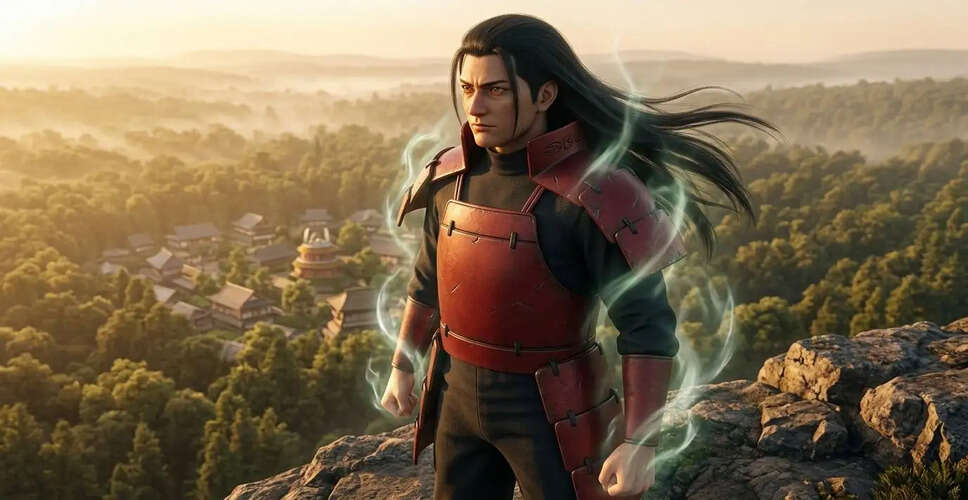
Hashirama Senju, the founder of Konoha, is acknowledged as the most astute Hokage, representing an ideal combination of strength, leadership, and strategic insight. His command of Sage Mode and advanced healing abilities earned him admiration, even from powerful adversaries like Madara. Hashirama's intelligence is evident in his strategic thinking and groundbreaking leadership, which established the foundation for the shinobi world. However, his inclination to be overly trusting occasionally made him susceptible, revealing a notable flaw in his otherwise remarkable character.
Tobirama Senju, Hashirama's sibling, is renowned for his groundbreaking contributions to jutsu development, including the Flying Raijin and Edo Tensei techniques. His intellectual legacy is significant, influencing the dynamics of shinobi warfare for years to come. Despite his brilliance, Tobirama's leadership was tainted by political prejudices, particularly against the Uchiha clan, and a governance style that created enduring tensions within the village.
Minato Namikaze, who ascended to the Hokage position at a young age, demonstrated exceptional intelligence and tactical skill, especially when he sealed the Nine-Tails within his son, Naruto. His foresight and speed in battle made him one of Konoha's most talented leaders, although his short time in office limited his capacity to execute broader strategies. Kakashi Hatake, known as the "Copy Ninja," led Konoha during a peaceful period, leveraging his academic brilliance and diplomatic abilities to sustain stability after the Fourth Great Ninja War, though his leadership did not have the transformative effect of his predecessors.
Shikamaru Nara, who served as acting Eighth Hokage during Naruto's absence, is recognized for his outstanding strategic intellect and logical leadership style. His capability to handle crises and manage village unrest highlights his intelligence, although he tends to rely more on intellect than physical prowess. Each Hokage in Naruto has exhibited intelligence in various ways, but Hashirama Senju's comprehensive mastery of power and governance solidifies his status as the most intelligent Hokage in the series, demonstrating that true leadership encompasses more than just strength.