
What to Expect from The Devil Wears Prada 2: A Fashion Industry Reimagined

The Return of a Fashion Classic
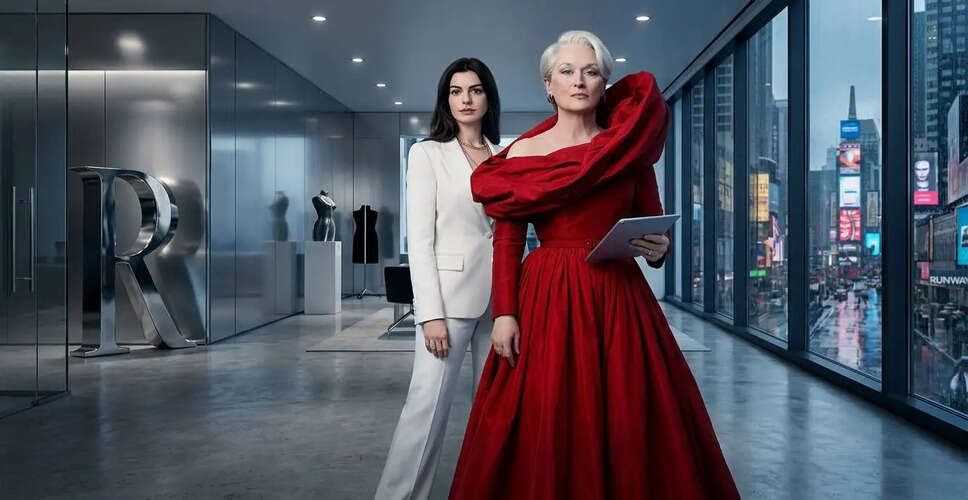
The much-anticipated sequel, The Devil Wears Prada 2, revisits the iconic fashion world two decades after the original film's debut. Rather than simply continuing the storyline, this sequel reflects the contemporary challenges faced by the fashion industry, particularly the decline of print media in the wake of digital platforms and social media. The film explores the theme of irrelevance, a concept that deeply affects Miranda Priestly, once again portrayed by Meryl Streep. It examines the evolving dynamics of fashion, where the stakes are higher than ever, and the real danger lies not in a tyrannical boss but in the fear of becoming outdated.
As the narrative progresses, Andy Sachs, played by Anne Hathaway, makes her return to Runway, but she is no longer the naive assistant we remember. Following the passing of chairman Ira Ravitz, his son Jay takes over the company and initiates sweeping changes that jeopardize its future. To save Runway, Andy seeks assistance from Emily and her wealthy boyfriend, Benji. However, the plot thickens as Emily's true motives come to light, revealing her transformation into a shrewd character driven by ambition rather than loyalty.
The sequel also showcases a significant shift in the relationship between Miranda and Andy. Unlike the first film, where Andy rejected Miranda's world, this time she aims to comprehend it. The film reaches a crucial moment when Miranda acknowledges Andy's aspirations, recognizing her as a vital bridge between journalism and fashion. This evolution in their dynamic illustrates Miranda's growth and her acceptance of the sacrifices that accompany power.
Another character arc worth noting is that of Nigel, played by Stanley Tucci. After being overlooked in the original film, Nigel finally gains recognition when he is chosen to represent Runway at a prestigious international event. His journey symbolizes the unsung heroes in the industry who work diligently behind the scenes, highlighting the significance of loyalty and commitment.
Emily Charlton's storyline adds a tragic dimension to the film, as her relentless quest for success results in personal sacrifices. Nevertheless, the narrative offers a hint of hope as she reconciles with Andy, suggesting a potential path to redemption. The sequel not only critiques the fashion industry but also tackles broader themes of corporate greed and the commercialization of art, positioning the true antagonist as an ideology rather than a single individual.