
What Makes Odisha's Raja Festival a Celebration of Nature and Womanhood?
Odisha Celebrates the Vibrant Raja Festival
In Bhubaneswar, the Raja festival commenced with warm wishes from President Droupadi Murmu, Governor Hari Babu Kambhampati, Chief Minister Mohan Charan Majhi, and Leader of Opposition Naveen Patnaik, marking a three-day celebration across Odisha.
This annual festival honors womanhood, fertility, and the cycles of nature, taking place from June 14 to 16 this year.
President Murmu, an Odia native, expressed her heartfelt greetings on social media, stating, "As we welcome the rainy season, this agrarian festival is a time to honor Mother Earth through sweets, swings, kabaddi, and traditional drinks. Let us draw inspiration from living in harmony with nature during these three days of celebration."
‘ରଜ’ ଉପଲକ୍ଷେ ମୁଁ ମୋର ପ୍ରିୟ ଦେଶବାସୀଙ୍କୁ ହାର୍ଦ୍ଦିକ ଶୁଭେଚ୍ଛା ଜ୍ଞାପନ କରୁଛି ।
ବର୍ଷାଋତୁ ଆଗମନରେ ମାଟି ମା’କୁ ସମ୍ମାନ ଜଣାଇ ପିଠାମିଠା, ଦୋଳି ଓ ବାଗୁଡ଼ି ଖେଳ ଏବଂ ପାନ ଓ ବ୍ୟଞ୍ଜନର ଆୟୋଜନ ମଧ୍ୟରେ ଓଡ଼ିଶାର ପୁରପଲ୍ଲୀରେ ଏହି କୃଷିଭିତ୍ତିକ ଗଣପର୍ବ ତିନି ଦିନ ଧରି ପାଳନ କରାଯାଏ । ଏଥିରୁ ଆମେ ପ୍ରକୃତି ସହିତ ମିଳିମିଶି…
— President of India (@rashtrapatibhvn) June 14, 2025
She further conveyed her wishes for happiness and prosperity for the state and its people.
The Governor of Odisha also shared his greetings, emphasizing the significance of the festival and wishing that its spirit resonates with everyone.
କୃଷିଭିତ୍ତିକ ଗଣ ପର୍ବ #ରଜ ଅବସରରେ ମାନ୍ୟବର ରାଜ୍ୟପାଳ ଶ୍ରୀ @DrHariBabuK ଶୁଭେଚ୍ଛା ଓ ଅଭିନନ୍ଦନ ଜଣାଇବା ସହ ଏହି ପର୍ବର ଚିରନ୍ତନ ଭାବବୋଧ ସମସ୍ତଙ୍କର ଧେୟ ହେଉ ବୋଲି କାମନା କରିଛନ୍ତି। #RajaParba #ରଜପର୍ବ pic.twitter.com/QE1wDp41Pc
— Governor Odisha (@GovernorOdisha) June 14, 2025
Chief Minister Majhi, representing Keonjhar district where Raja holds special significance, also extended his wishes, highlighting the festival's unique tradition of honoring nature and motherhood.
ପରମ୍ପରା, ପ୍ରକୃତି, ଧରିତ୍ରୀ ଓ ନାରୀତ୍ୱକୁ ସମ୍ମାନ ଜଣାଇବାର ଅନନ୍ୟ ପରମ୍ପରା ଗଣ ପର୍ବ ରଜ ଉପଲକ୍ଷେ ସମସ୍ତଙ୍କୁ ଶୁଭେଚ୍ଛା ଓ ଅଭିନନ୍ଦନ। ଏହି ପର୍ବ ସମସ୍ତଙ୍କ ଜୀବନରେ ଆନନ୍ଦ ଓ ଉଲ୍ଲାସ ଆଣିଦେଉ। #Raja #PahiliRaja pic.twitter.com/pBlRg6hLIi
— Mohan Charan Majhi (@MohanMOdisha) June 14, 2025
Former Chief Minister Naveen Patnaik also shared his heartfelt greetings, wishing joy and happiness to all during this significant festival.
ଓଡ଼ିଶାର ଗଣ ପର୍ବ ରଜ ଅବସରରେ ସଭିଙ୍କୁ ହାର୍ଦ୍ଦିକ ଶୁଭେଚ୍ଛା। ମାଟି ଓ ମା’ଙ୍କୁ ସମ୍ମାନ ଜଣାଇବାର ଏହି ନିଆରା ପରମ୍ପରା ସମସ୍ତଙ୍କ ଜୀବନରେ ଆନନ୍ଦ ଓ ଉଲ୍ଲାସ ଭରିଦେଉ। #RajaParba pic.twitter.com/ffd9V9eMpr
— Naveen Patnaik (@Naveen_Odisha) June 14, 2025
The term 'Raja' is derived from the Sanskrit word 'Rajaswala', which signifies menstruation. This festival symbolizes a time when Mother Earth is believed to rest and rejuvenate, akin to women during their menstrual cycles, according to cultural researcher Asit Mohanty. He noted that Raja also marks the commencement of agricultural activities coinciding with the onset of the monsoon month 'Asadha'.
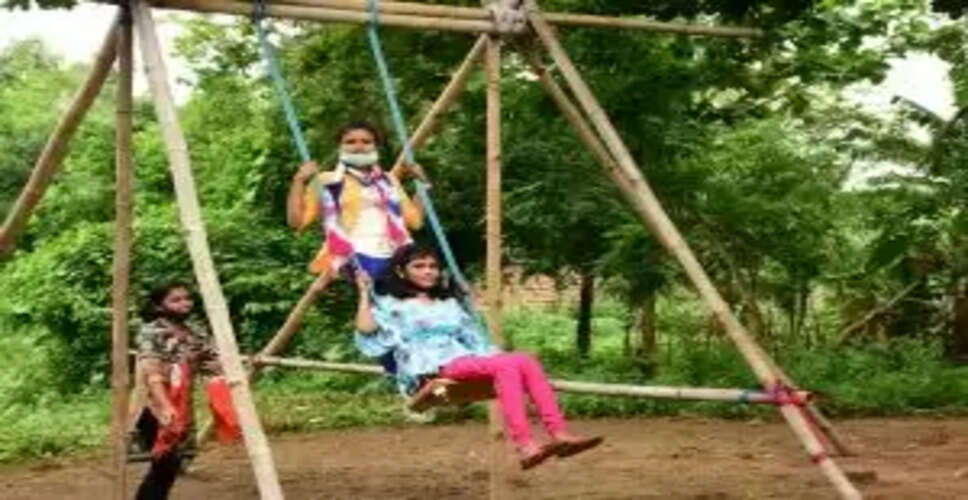
During the festivities, young girls and women celebrate by donning new attire, applying henna, and engaging in traditional games, including swings known as 'Raja Doli', while enjoying festive delicacies, particularly handmade cakes. Special sweets like Poda Pitha, Arisha, and Kakara are prepared and shared with guests.
The festival unfolds in four distinct phases: the first day, 'Pahili Raja' (June 14), the middle day 'Raja Sankranti' (June 15), and the final day 'Basi Raja' (June 16).
As the festival concludes, women partake in a ritual called 'Basumati Snana', symbolically bathing Mother Earth after her menstrual cycle, as a sign of respect.
During these three days, girls are excused from household chores, and no farming activities are conducted, honoring nature's fertility.