
Understanding Nirjala Ekadashi 2026: Water Consumption Guidelines
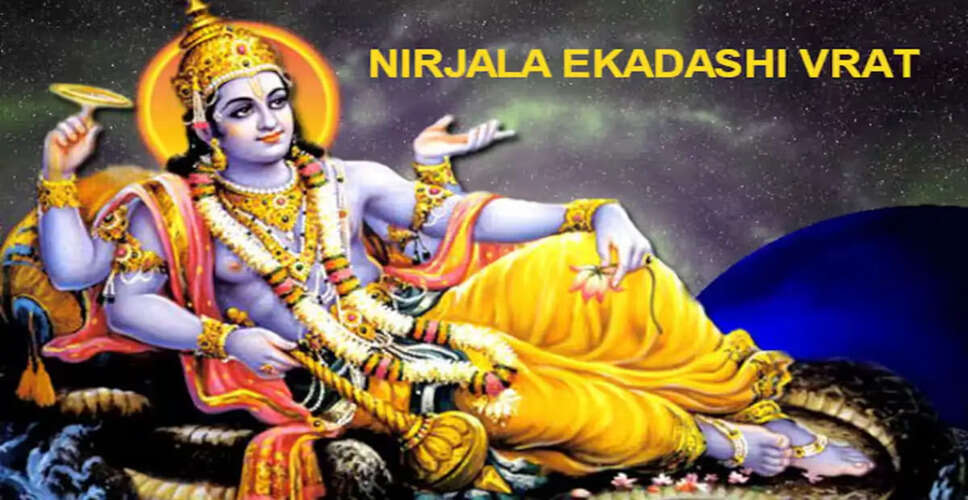

Nirjala Ekadashi 2026: Water Consumption Rules
Nirjala Ekadashi 2026: The Nirjala Ekadashi fast is recognized as the most challenging among all Ekadashi observances. Those participating in this fast must refrain from both food and water throughout the day. However, a question arises for those who find themselves extremely thirsty or in a critical situation: what actions should they take? Is there a way to consume water under such circumstances?
Significance of Abstaining from Water on Nirjala Ekadashi
The term "Nirjala Ekadashi" literally translates to an Ekadashi observed without water (*nir* meaning without and *jala* meaning water). During this fast, participants avoid food, water, fruits, milk, and similar items. The fast commences in the morning after performing *Achaman* (a ritual purification) and making a solemn vow (*Sankalp*) to observe the fast and engage in worship; no water is consumed until sunrise the next day. This practice is believed to grant the spiritual benefits equivalent to all twenty-four Ekadashi fasts throughout the year, aiding in the pursuit of *Moksha* (salvation).
Who Can Skip the Nirjala Ekadashi Fast?
Exemptions from the strictures of the Nirjala Ekadashi fast apply to children, the elderly, and those who are ill. If health issues arise during the fast, it is permissible to drink water. For those unable to fast without water, an alternative is to consume fruits (*Phalahar*) and engage in worship, offering devotion to the Lord as per their ability. While adhering strictly to the rules may limit the spiritual rewards of the Nirjala Ekadashi fast, devotion to the Lord remains encouraged.
Guidelines for Water Consumption During Nirjala Ekadashi
In situations where one feels parched or faces life-threatening thirst while observing the Nirjala Ekadashi fast, the fundamental rule is that the fast should be completed without water. Drinking water would typically invalidate the fast and diminish its significance.
Nevertheless, some religious scholars recommend that on Nirjala Ekadashi, individuals should wake at dawn, bathe, and worship Lord Sri Hari following the prescribed rituals. It is suggested that water may be consumed two hours after sunset; this act can yield spiritual merit comparable to observing at least twelve Ekadashi fasts.
In critical situations—particularly when life is at risk—it is advised to fill a brass or silver vessel with a mixture of Gangajal (water from the Ganges) and clean water. One may then drink the water while resting both hands and knees on the ground, akin to an animal. Before doing so, it is essential to chant the mantra "Om Namo Narayanaya" twenty-one times; this practice is not deemed a breach of the fast.
Some individuals may choose to drink a small amount of water after midnight on Nirjala Ekadashi.
These allowances are made for those who, for various reasons, cannot refrain from water during the fast. However, scriptures clearly state that consuming water during Nirjala Ekadashi breaks the fast.
PC Social Media