
Understanding Holashtak: The Inauspicious Days Before Holi

The Inauspicious Nature of Holashtak
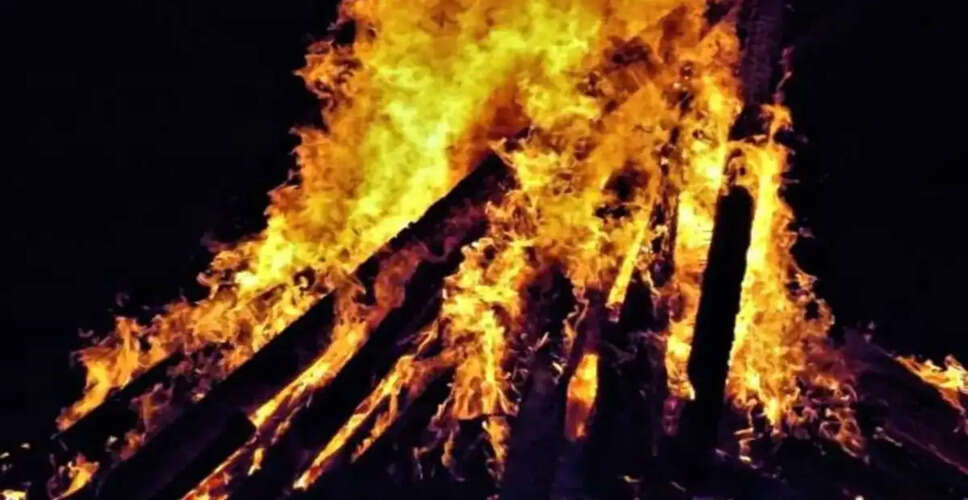
The Saptami of the Shukla Paksha in the month of Phalguna will conclude at 7:01 AM on Tuesday, February 24, 2026. Following this, the Shukla Paksha of Phalguna will commence, marking the start of Holashtak. Traditionally, this period is deemed inauspicious for conducting any significant rituals until Holika Dahan. Various interpretations exist regarding this belief, with many scholars attributing it to seasonal and societal factors. Let's delve into the reasons why these eight days leading up to Holi are viewed as unfavorable.
What Exactly is Holashtak?
In religious texts, the eight days from Falguna Shukla Ashtami to Holika Dahan are referred to as 'Holashtak'. Astrological guidelines suggest that auspicious events like marriages, housewarmings, and naming ceremonies should be avoided during this timeframe. The term 'Holashtak' combines 'Hola', which signifies Holi, and 'Ashtak', meaning eight. Therefore, these eight days preceding Holi are collectively known as Holashtak, during which it is advised to refrain from purchasing new items or initiating significant undertakings.
Mythological Origins of Holashtak
According to mythology, the inception of Holashtak is associated with a notable event. It is believed that when Lord Shiva, in a fit of rage, incinerated Kamadeva, these eight days were marked as significant. This period is viewed as a time for self-restraint, meditation, and reflection, which is why many of the sixteen rites are not performed during this time. If essential tasks must be undertaken, it is recommended to first recite the Shanti Path or conduct a special puja.
Another tale recounts how the demon king Hiranyakashipu tormented his son Prahlad in an attempt to force him to renounce his devotion to Lord Vishnu. Despite enduring great hardships, Prahlad remained unwavering in his faith. Ultimately, Lord Vishnu assumed the form of Narasimha to rescue him by vanquishing Hiranyakashipu. Holika Dahan commemorates this event.
Additionally, a story related to Lord Krishna describes how he celebrated the festival of colors with the Gopis for eight days leading up to Holi. On Dhulandi, garments soaked in colors were offered to the flames, establishing this tradition as part of the festival. Thus, Holika Ashtami serves not only as a period of restrictions but also as a time for devotion, preparation, and self-discipline, mentally and socially gearing us up for the festive celebration of Holi.
The Importance of Holika Ashtami
Holashtak is recognized as the official commencement of the Holi festival. As this period begins, communities start their preparations for Holika Dahan. This time is significant not only from a spiritual standpoint but also due to the seasonal transitions occurring in nature. During this phase, the weather begins to shift, with winter gradually fading and the signs of summer becoming apparent. Health precautions are crucial during this transitional weather, which is why large gatherings are typically avoided.