
Exploring Cristian Mungiu's Gripping Legal Thriller 'Fjord': A Family's Struggle Against Authority

A Deep Dive into 'Fjord'
Cristian Mungiu's 2026 film 'Fjord', which won the prestigious Palme d’Or at the Cannes Film Festival, offers a thought-provoking examination of cultural conflicts, governmental power, and familial relationships. Featuring performances by Sebastian Stan and Renate Reinsve, the story revolves around Mihai and Lisbet Gheorghiu, who move with their five children to a secluded village in Norway. Their lives take a dramatic turn when their eldest daughter, Elia, is found with unexplained bruises, prompting an intervention from Norwegian Child Welfare Services that results in the removal of their children and a tense legal struggle.
The plot draws inspiration from the real-life Bodnariu family case, skillfully avoiding a simplistic portrayal of either the parents or the authorities as outright villains. Mungiu highlights the friction between the Gheorghius' conservative religious values and the often culturally wary stance of the local child welfare system. As the film unfolds, viewers are left to grapple with the ambiguous circumstances surrounding Elia’s injuries, which are never conclusively linked to parental neglect, an accident, or other explanations.
The Gheorghiu Family's Escape and Moral Ambiguity
The climax of the film sees Mihai and Lisbet achieve a partial win in their custody battle, allowing them to reunite with their children. Yet, the specter of a potential criminal investigation looms, threatening their future. Fearing that a conviction could lead to permanent separation from their kids, the couple decides to escape Norway under the cover of night, making their way to Romania via Denmark. This flight leaves the question of their guilt unresolved, as Mungiu deliberately refrains from delivering a clear judgment on whether the parents' strict disciplinary practices crossed into abusive territory.
By leaving the courtroom outcome open-ended, the film underscores the damaging nature of the conflict between state authority and family. Both parties operate with a sense of moral certainty, yet the narrative suggests that in their quest for control and adherence to procedure, they overlook the children's viewpoints. Although the family remains together, their escape comes at the expense of the life they sought to establish in Norway, emphasizing the bittersweet reality of their survival.
The Emotional Weight of Noora’s Final Scene
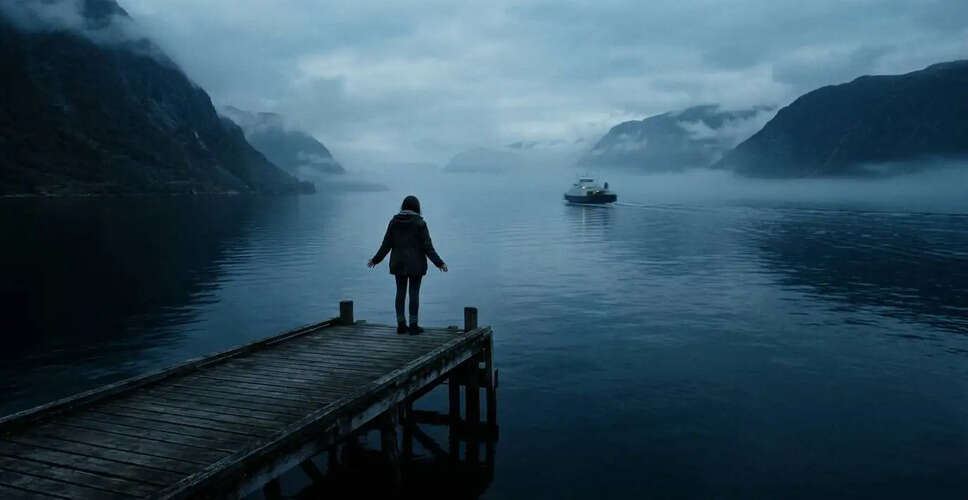
The film's conclusion focuses on the relationship between Elia and her friend Noora, the daughter of the family’s neighbor and legal advisor, Mia. After learning of the Gheorghius family's flight, Noora tracks Elia’s phone to the harbor, arriving just as the ferry departs. In a touching and surreal moment, Noora walks onto the water—a visual echo of an earlier scene—and calls out to Elia. This moment symbolizes the emotional toll of the adults' conflict, suggesting that the authentic bond between the two girls is the ultimate casualty of the legal and cultural battle.
While the film hints at subtle changes within the family—such as Lisbet expressing remorse to her children and loosening some household rules—the ending remains unresolved. The Gheorghius family successfully evades the Norwegian legal system, but they do so at the cost of uprooting their children once more, prompting the audience to ponder the complexities of justice and the lasting effects of state intervention on family dynamics.