
The Tragic Yet Inspiring Life of Madhubala: A Cinematic Legend
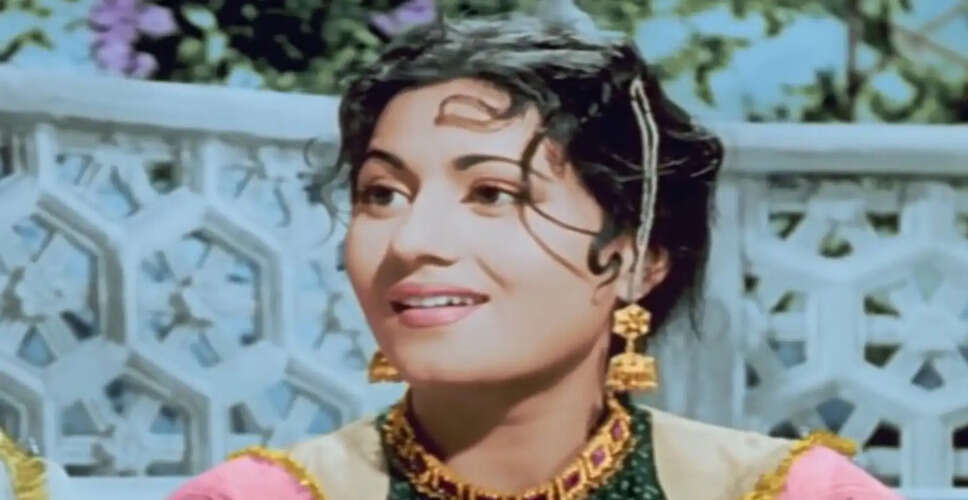

Madhubala: A Star Born from Adversity
Madhubala, originally named Mumtaz Jehan Begum Dehlavi, was born in 1933 in Delhi. Her entry into the film industry was not merely a pursuit of fame but a necessity driven by her family's circumstances. Growing up in a large household, she became the main provider at a tender age. By seven, she was already working, stepping into the world of cinema under the name Baby Mumtaz after the tragic loss of several siblings and her father's job.
Her early cinematic journey was fraught with minor roles and financial instability. Despite her relentless efforts, success eluded her for a while, often forcing her to accept meager pay just to secure roles. However, her enchanting laughter and undeniable screen presence soon caught the attention of filmmakers. Her breakthrough came with the film Mahal, where her captivating beauty and mysterious performance established her as a leading actress. By the 1950s, she had risen to become one of the highest-paid actresses in India, earning the title 'Venus of Indian cinema' and showcasing her versatility across various genres.
Yet, amidst her professional triumphs, her personal life was shadowed by struggles that few were aware of.
Madhubala's Heart-Wrenching Romance with Dilip Kumar
The love story between Madhubala and Dilip Kumar is one of Bollywood's most iconic tales. Their on-screen chemistry quickly garnered them fame, particularly after the success of Tarana. For a time, they were viewed as the perfect couple, seemingly destined for a shared future.
However, their relationship faced significant challenges due to family interference and professional disputes. A pivotal moment occurred during the legal battle over the film Naya Daur, which escalated into a public courtroom drama involving Madhubala's father and BR Chopra. Dilip Kumar's testimony in favor of Chopra deeply wounded Madhubala, leading to an emotional breakdown and the eventual end of their relationship. This very public split, scrutinized by the media, left lasting scars on her heart.
Despite the heartbreak, Madhubala continued to shine in her career, delivering unforgettable performances, including her role as Anarkali in Mughal-e-Azam. This film became a milestone in Indian cinema, yet the experience took a toll on her health and emotional well-being.
Madhubala's Struggles with Illness and Isolation
Unbeknownst to many, Madhubala had been grappling with a serious heart condition since her youth. Diagnosed with a ventricular septal defect, she lived with the constant awareness of her fragile health. As her condition worsened, it limited her ability to work, forcing her to withdraw from numerous projects. Even during the demanding shoots of Mughal-e-Azam, she persevered through immense physical pain. The lengthy production schedules, combined with her declining health and personal challenges, visibly affected her.
In 1960, she married Kishore Kumar, hoping for a new beginning. Shortly after, they traveled to London for medical treatment, but doctors advised against surgery due to the associated risks and warned her of a limited life expectancy. This led to a period of increasing isolation, as her health deteriorated, and she spent much of her time away from the public eye. Reports indicate that her marriage also faced strain, eventually leading her to return to her family.
In her final years, Madhubala was largely confined to her bed, finding solace in poetry and revisiting her films, particularly Mughal-e-Azam. Once surrounded by fame and admiration, she led a quiet, secluded life, connected only to a few close friends from the industry. In February 1969, after years of battling her illness, Madhubala passed away at the young age of 36. Her life, marked by a disease without a cure, was a testament to her resilience and the indelible mark she left on Indian cinema. If a biopic were ever made about her life, capturing the sparkle in her eyes—the eyes that once mesmerized an entire nation—would be a formidable challenge.