
The Shift in Indian Television: From Family Values to Extramarital Affairs
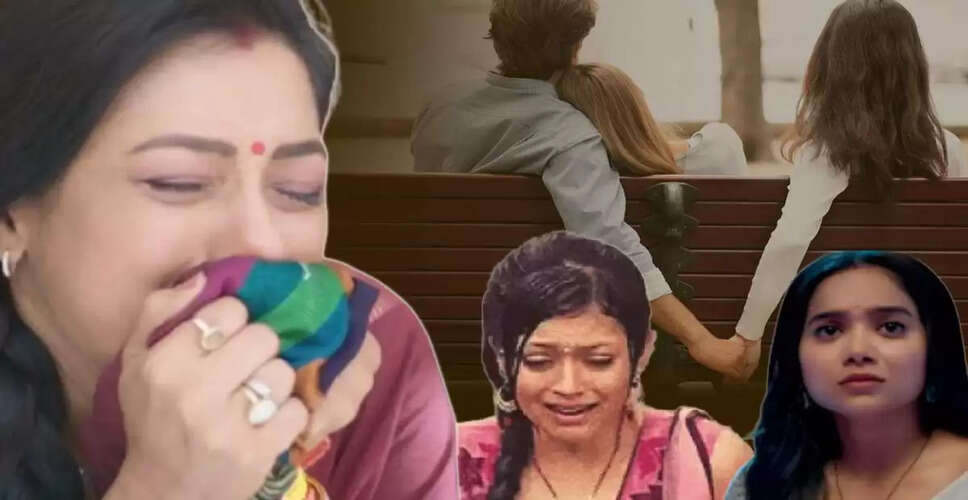
Changing Themes in Indian Serials
For many years, Indian television has been synonymous with family-centric dramas and romantic narratives that captivated audiences. However, it seems that the essence of traditional family values is diminishing. The focus on romance, marriage, and betrayal is increasingly overshadowed by a prevalent theme: extramarital affairs. Once considered taboo, these relationships have evolved from mere plot devices to central elements of Indian serials.
The Pioneering Show: Hasratein
To understand this trend, we can look back to 1996 when director Ajai Sinha introduced the groundbreaking series Hasratein, which explored extramarital relationships. The show featured Savi, a woman who engages in an affair with a married man, KT. Unfortunately, contemporary directors seem to misinterpret the concept of 'breaking taboos' as a justification for creating plots that many find offensive.
The Dominance of Kyunki Saas Bhi Kabhi Bahu Thi
The early 2000s saw a surge in shows like Kyunki Saas Bhi Kabhi Bahu Thi and Kahaani Ghar Ghar Kii, which emphasized traditional family values. Programs like Mann Kee Awaaz Pratigya, launched in 2009, showcased strong female characters standing up against injustices within their families.
Current Trends: Love Triangles and Infidelity
Today, however, Indian serials predominantly revolve around love triangles. Shows such as Anupama and Silsila Badalte Rishton Ka, which gained popularity in 2020 and 2019 respectively, have sparked discussions with their affair-driven plots. Other notable series addressing infidelity include Bepannah, Ghum Hai Kisikey Pyaar Meiin, and Imlie. The cycle of love triangles and betrayal continues with Haale Dil, featuring actress and influencer Manisha Rani.
Viewer Fatigue: A Call for Change
Are viewers, particularly Indian housewives, growing weary of these repetitive storylines? What are their thoughts? While extramarital affairs have undeniably influenced Indian television dramas, there is a rising demand for innovative narratives. Housewives, the primary audience, are now seeking stories that delve into mental health, genuine relationships, and professional challenges, rather than relying solely on affairs.
Women’s Perspectives on Current Shows
“I stopped watching Anupamaa the day her husband Vanraj Shah was caught with Kavya in the bedroom,” shares Jyoti Singh, a 40-year-old homemaker from Barbil, Odisha. “Why was Vanraj and Kavya’s relationship accepted by the family later, even after Anupamaa had moved on? What exactly are they trying to portray?”
“I started watching Haale Dil because of Manisha Rani. I really like her as a person, but it feels like Indian TV doesn’t know how to show a happy marriage anymore,” says Bhumika, a 46-year-old housewife from Dehradun, Uttarakhand.
“Every serial shows the same thing now – boy cheats, girl cries, girl forgives. How many times do I have to watch this? I’ve now shifted to OTT series,” expresses Kayan, a homemaker from Mushidabad, West Bengal.
Desire for Empowering Narratives
“We want to see women running businesses, rather than crying over a man. Can we get a serial where she thrives?” asks Kritika, a retired teacher from Ayodhya, Uttar Pradesh. “Previously, affairs were viewed negatively, but now characters easily forgive their partners. The drama of affairs continues without any real consequences,” she adds.
“I can’t recall the last time I watched a serial focused on extramarital affairs. I started watching Silsila Badalte Rishton Ka and enjoyed it, but once Nandini and Kunal got married, I stopped watching. Not every story needs to revolve around marital affairs,” states Muskan, a homemaker from Ranchi, Jharkhand.
Entertainment Value vs. Realism
Not all viewers oppose the portrayal of extramarital affairs. One homemaker acknowledged the entertainment aspect of Indian serials. Prerna from Pune remarked, “The essence of a serial is drama; such stories are meant to keep viewers engaged. They reflect real-life situations. However, the consequences of affairs should also be depicted, showing how they affect families and children, not just romantic scenes.”
Extramarital affairs have long been a staple of Indian television. As the core audience, particularly housewives, embrace changing narratives, it is crucial for television dramas to evolve. The time has come for women's empowerment and complex human stories to take the spotlight.