
The Legacy of John Lennon: A Tale of Family, Wealth, and Reconciliation
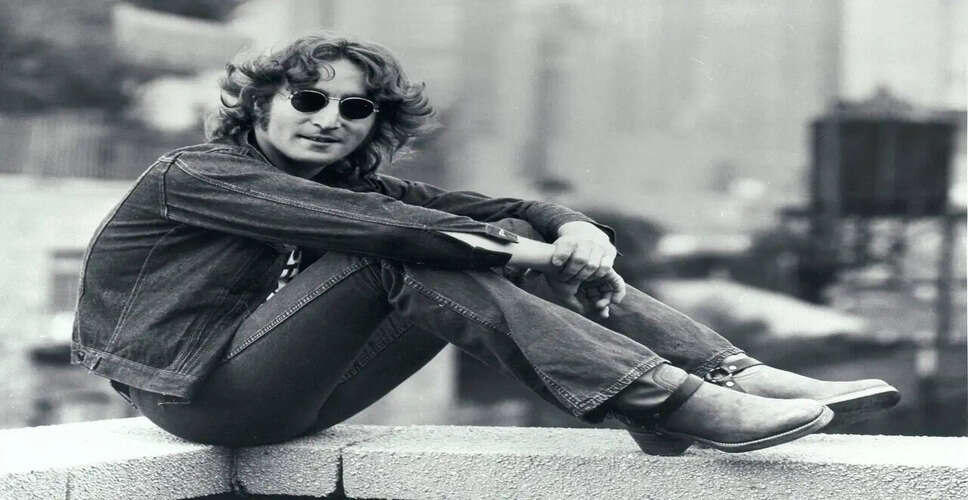

The Aftermath of John Lennon's Death
The death of John Lennon in 1980 not only left a significant mark on the music world but also sparked a complicated and enduring legal battle over his estate. His last will, dated November 12, 1979, just about a year prior to his passing in New York, appointed his wife, Yoko Ono, as the executor of his assets. This will directed that the majority of his estate be placed into a trust, which notably excluded his eldest son, Julian Lennon, from the main inheritance.
This exclusion led to a major legal confrontation initiated by Julian, who is the son from Lennon’s first marriage to Cynthia Powell. The legal struggle lasted for 16 years, reflecting the troubled relationship between John and Julian that had developed after John and Cynthia's divorce in 1968. The dispute was finally settled in 1996, but the details of the agreement remained largely undisclosed, leading to ongoing public speculation about the financial implications.
Unpacking the Financial Details
Unpacking the Financial Details
For many years, media outlets reported a settlement figure of around £20 million, equivalent to about $30 million at that time. However, these figures have never been officially verified. In a 1998 interview with Salon, Julian Lennon challenged the accuracy of the commonly cited £20 million figure, asserting that the actual amount he received was much less. As a result, the precise dollar amount of the settlement remains uncertain.
The topic of inheritance resurfaced in October 2026 when Sean Lennon, John’s younger son, responded to public discussions about the perceived differences in financial legacies between him and Julian. Addressing comments on social media that suggested a significant disparity in their inheritances, Sean clarified that both he and Julian had received nearly equal amounts. He also mentioned that their trusts were similar, with Julian’s being slightly larger. However, Sean did not disclose specific financial details or clarify whether he was referring to the original trust arrangements or the outcomes of the 1996 settlement.
A Personal Journey of Reconnection
A Personal Journey of Reconnection
Beyond the financial aspects of the estate, the dispute held deep personal significance for Julian Lennon. Over the years, he has endeavored to reclaim sentimental items that once belonged to his father. In 1996, coinciding with the legal settlement, Julian took part in an auction in London to acquire various personal belongings, including handwritten notes and letters.
Among the treasures he secured were documents related to the Beatles' iconic song, Hey Jude, which was written by Paul McCartney to comfort Julian during his parents' separation. By obtaining these items, along with personal letters and postcards exchanged with his father, Julian aimed to maintain a tangible link to his family history. Despite the prolonged legal battles and public attention, both Julian and Sean have preserved their relationship, with Sean’s recent comments challenging the long-held belief that the brothers experienced significant financial disparities.