
The Legacy of James Earl Jones: A Journey Through Empathy and Performance

A Unique Approach to Character Portrayal
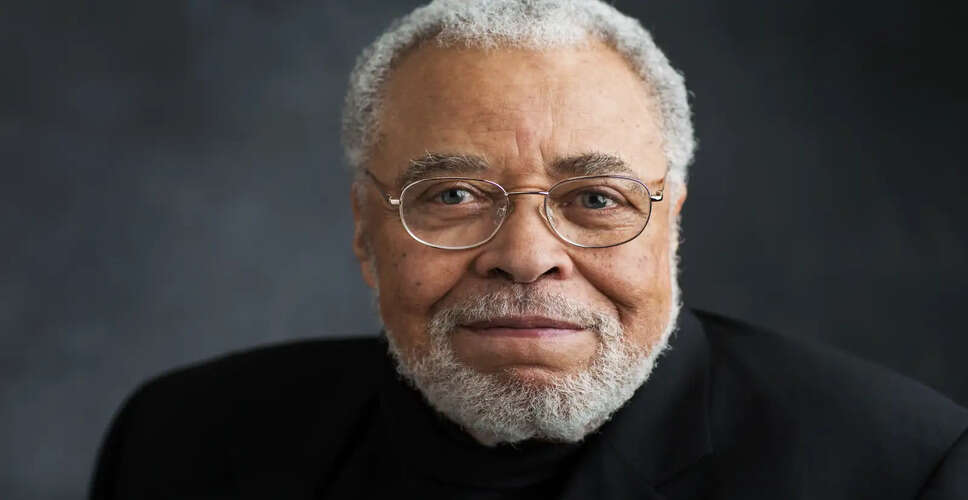
The legendary James Earl Jones, a monumental figure in both theater and film, shared insightful thoughts on the challenges of embodying historical characters. Instead of striving to replicate the physical or mental traits of those he portrayed, Jones emphasized a philosophy of openness, allowing the playwright's narrative to shape his performance. He believed this approach was crucial for capturing a character's essence while preserving his artistic authenticity.
In a 1977 conversation with a prominent newspaper, Jones discussed his experiences in bringing to life notable figures like Paul Robeson, boxer Jack Johnson, and baseball legend Josh Gibson. He explained his philosophy by saying, “I cannot be Paul Robeson or Josh Gibson; but I can allow myself to experience what the playwright has set out to show about their life experiences.” For Jones, the aim was not imitation but a profound, empathetic connection with the human stories depicted in the script.
Empathy and Individuality in Acting
A Philosophy of Empathy and Individuality
Jones’s acting philosophy extended beyond mere performance, imparting a valuable lesson about human connection. By recognizing that he could never fully become the individuals he portrayed, he liberated himself to explore their narratives through his unique perspective. This method enabled him to connect his own experiences with those of his characters, resulting in performances that felt genuine while maintaining his identity as an actor.
This insight remains a crucial takeaway for both creatives and audiences. It highlights that understanding another's journey doesn't necessitate having lived it; rather, it requires a willingness to listen and an effort to see the world from a different perspective. In a time often characterized by comparison, Jones’s reminder that one can appreciate and learn from others while still carving out an individual path is especially relevant.
Overcoming Adversity to Achieve Greatness
From Early Challenges to Iconic Status
Jones’s illustrious career was founded on overcoming significant personal challenges. Born in 1931 in Arkabutla, Mississippi, and raised in Michigan, he faced a severe stutter during his childhood. This struggle led him to remain largely silent for years until a high school English teacher inspired him to memorize and recite poetry. Realizing he could speak fluently when reciting memorized lines, Jones gained the confidence that would eventually propel him to the American Theatre Wing and a successful career.
His ascent to fame began in theater, highlighted by his Tony Award-winning role in The Great White Hope. This triumph transitioned to film, earning him an Academy Award nomination for the 1970 movie adaptation. Throughout his career, Jones showcased remarkable versatility, appearing in a wide range of projects from Dr. Strangelove and Claudine to Field of Dreams. He also gained international acclaim for his iconic voice roles, particularly as Darth Vader in the Star Wars series and Mufasa in The Lion King, solidifying his legacy as one of the most influential actors of his time.