
The Inspiring Journey of Sagarbala Patnaik: From Theatre Star to Resilient Survivor
A Life Beyond the Spotlight
ARINDAM GANGULY
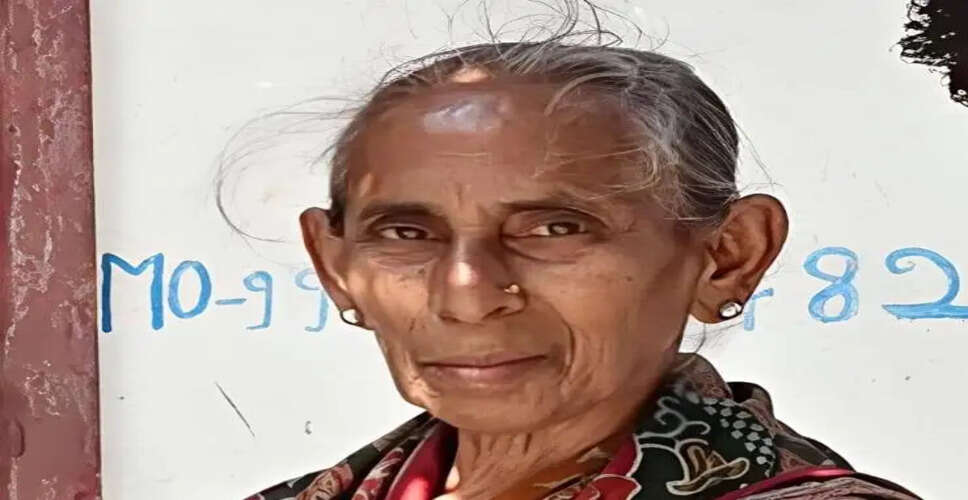
Sagarbala Patnaik, affectionately known as 'Basanti Apa', once graced the stages of Odisha's theatre and cinema, but now she lives a life far removed from the applause and bright lights that once surrounded her. At 76, her story is not just about lost fame; it embodies remarkable resilience, dignity, and quiet strength. Her life resembles a poignant film narrative filled with applause, challenges, and an unwavering will to endure.
Originating from Jagatsinghpur district, Sagarbala was a prominent figure in the renowned Annapurna Theatre B Group in Cuttack during the golden age of Odia theatre in the 1960s and 70s. Currently, she resides in Alamakarpur village within the Alla gram panchayat, sharing a simple home with her bedridden son, daughter-in-law, and two granddaughters. Following a tragic accident in 2018 that left her son mentally incapacitated, Sagarbala has taken on the role of the family's primary provider. She receives a modest government pension of Rs 2,000 as an artist and has been allocated a house under the Antyodaya Gruha Yojana.
However, making ends meet requires more than just a pension. Each day, she operates a small roadside tea stall, selling tea to support her family. "Acting was once my passion and profession," she reflects, her voice tinged with both pride and sorrow. "But circumstances have led me to this life." Sagarbala's artistic journey commenced in 1965 with the play 'Bhanumatira Khela', at a time when women in theatre faced significant social stigma. Her talent and determination quickly established her as a leading figure in the theatre scene, and over a career spanning more than three decades, she performed in over 200 plays throughout Odisha—from Puri to Baripada, Keonjhar to Dhenkanal. She later ventured into films, featuring in notable Odia productions such as 'Sesha Shrabana', 'Mana Akash', 'Samaya Bada Balaban', and 'Abhinetri', earning acclaim as a versatile and powerful actress.
The turning point came after the catastrophic 1999 Odisha Super Cyclone, which disrupted the theatre landscape and left many artists struggling. For Sagarbala, the most devastating blow occurred on December 12, 2018, when her son's tragic accident shattered their family's stability. Since then, she has shouldered the burden of her family, balancing survival with care and responsibility. Though frail in body, her spirit remains unyielding as she continues her daily fight with quiet dignity. Her tea stall symbolizes not just a means of income but also her sacrifice, perseverance, and the enduring spirit of an artist who refuses to give up. Reflecting on the changing times, she expresses a hint of sadness, stating, "Today, many enter the industry for money. The passion we once had is fading."
The legacy of Annapurna Theatre is historic. Established by Somnath Das in the early 20th century, it was a pioneer of mobile theatre in Odisha, bringing performances to towns and villages long before modern entertainment took over. However, as many stages closed, artists like Sagarbala were left to navigate life's uncertainties alone. Srikant Kumar Singh, convenor of the Jagatsinghpur Heritage Walk, recently honored her for her lifelong contributions to the arts, describing her as "a symbol of women’s empowerment and indomitable willpower." Despite her immense struggles, he noted that she continues to fight on, serving as an inspiration for all. "She is the pride of our district and our state."
Today, those passing by her humble tea stall may not realize that the woman serving them tea once captivated packed auditoriums with her performances. Yet, in many ways, 'Basanti Apa' is still on stage—her current performance is life itself, and her role is the most challenging of all: to survive with dignity.