
The Future of IMAX in India: Luxury or Necessity?

Concerns Over IMAX's Potential Sale
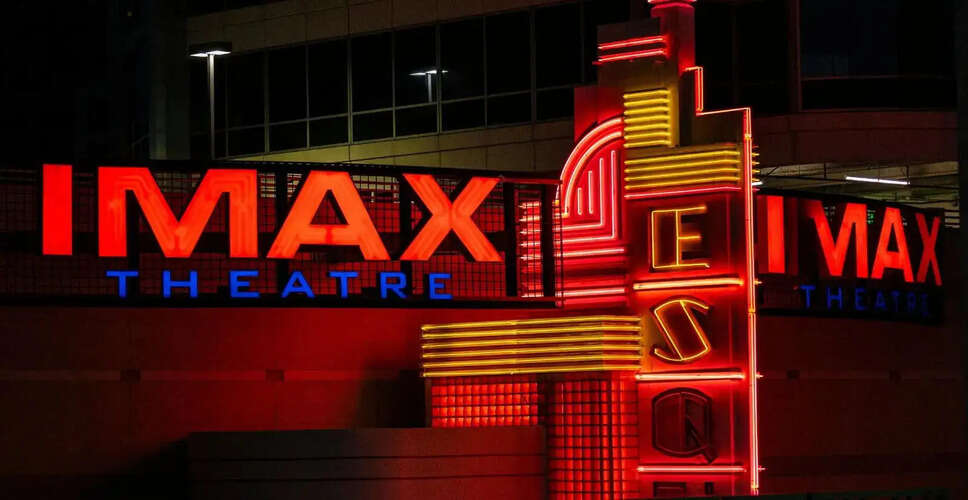
The possibility that IMAX might consider strategic sale options or restructuring has raised alarms among film enthusiasts globally. In India, discussions have turned to whether the premium theatrical experience could vanish following such changes. Social media is buzzing with concerns about whether major cinematic events will lose their allure and how multiplex chains might be affected. However, a more fundamental question arises: Do Indian moviegoers genuinely care about who owns IMAX? For many in India, the answer is nuanced. While IMAX carries a certain prestige and allure, its actual influence on daily movie-going habits is less significant than industry narratives suggest. In a market where affordability and star power dominate, IMAX is often seen as a luxury rather than a necessity.
IMAX: An Urban Luxury Experience
IMAX Experience Is Still an Urban Luxury
India has seen a surge in premium cinema formats over the past decade, with multiplex chains pushing for IMAX, 4DX, ScreenX, and Dolby Cinema. The trend towards 'event cinema' has been evident, with films like RRR, Pathaan, and Jawan benefiting from these upgrades. Producers frequently promote films with phrases like 'Shot for IMAX' to attract audiences. As industry insider Akshaye Rathi notes, 'IMAX is a format that many look forward to, and despite its higher costs, audiences often find it worthwhile.'
Limited IMAX Penetration in India
Despite its visibility, IMAX's presence in India remains limited compared to the overall cinema landscape. While major cities like Mumbai, Delhi NCR, and Bengaluru have IMAX screens, many tier two and tier three cities lack access. For viewers in places like Indore or Patna, the choice often isn't between IMAX and regular formats, but whether to watch a film at all, especially with the rise of OTT platforms. The box office success of films often hinges on mass appeal rather than premium formats.
Price Sensitivity of Indian Audiences
Average Indian Audience Prioritises Price Over Format
One major disconnect in the IMAX discussion is that it often reflects the preferences of urban film enthusiasts rather than the average consumer. The typical Indian moviegoer is highly price-sensitive. Producer Yuvraj Ganesan states, 'IMAX can enhance the experience, but it rarely drives demand.' For many, the cost difference between a standard ticket and an IMAX ticket can be substantial, influencing their decision to watch a film in theaters.
IMAX's Role in Bollywood
Bollywood’s IMAX Obsession Is Also About Optics
For producers, IMAX represents more than just ticket sales; it symbolizes legitimacy and global standing. Releasing a film in IMAX elevates its status, placing it alongside major Hollywood releases. Marketing campaigns increasingly highlight premium formats to create an 'event status.' As producer Neeraj Churi points out, younger audiences are drawn to experiences like IMAX screenings, willing to pay a premium for the immersive experience.
The Impact of Ownership Changes
Would a Sale Even Change Anything Immediately?
Most Indian consumers are unlikely to notice changes in ownership unless they directly affect ticket prices or availability. If IMAX undergoes a sale or restructuring, the immediate experience for audiences is expected to remain largely unchanged. The brand will continue to operate, and existing partnerships are likely to persist, as the IMAX label holds significant commercial value.
Addressing Deeper Issues in Indian Cinema
India’s Bigger Theatrical Crisis Is Elsewhere
While the potential sale of IMAX garners attention, it distracts from more pressing issues within the Indian cinema landscape. The closure of single-screen theaters and the struggle of mid-budget films are significant challenges. Rising ticket prices alienate family audiences, and regional industries are outperforming Hindi cinema. The real question is whether theatrical moviegoing remains accessible for the average consumer. As multiplexes increasingly target high-spending urban customers, casual moviegoers are being priced out, leading to fewer visits to theaters.