
The Fascinating Tale of Kanpur's Famous Thaggu's Laddus
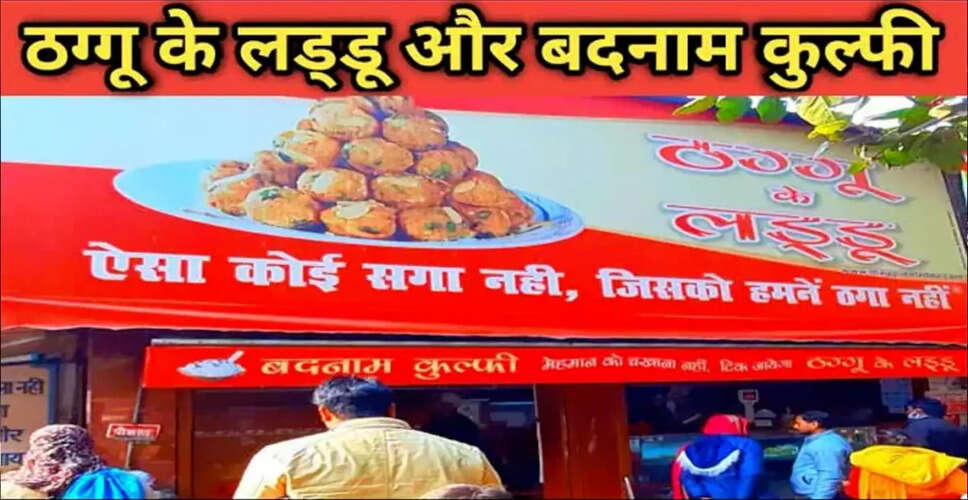

The Story Behind Kanpur's Renowned Thaggu's Laddus
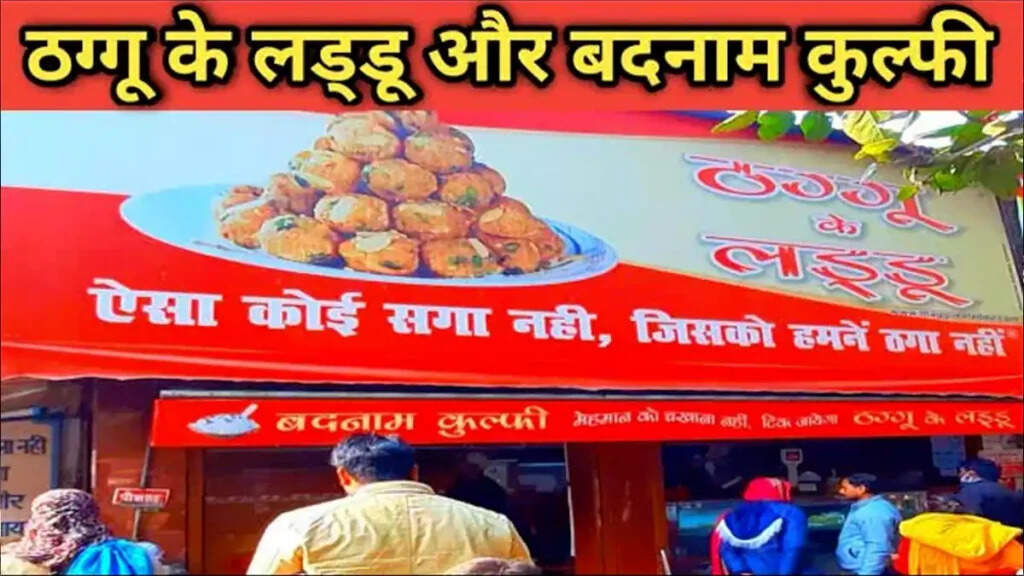
Ram Avatar Pandey, also known as Matha Pandey, originally hailed from a small village named Parouli in Uttar Pradesh. Sixty years ago, he moved to Kanpur with nothing but an empty pocket and a large plate filled with delicious laddus made by his wife. Today, we delve into the intriguing story of Kanpur's famous Thaggu's Laddus.
It is noteworthy that Ram Avatar Pandey used to roam the streets of Kanpur with a towel draped over his shoulder, selling laddus. Over time, he managed to save enough money to purchase a small shop in the Parade area of Kanpur in 1973. However, a few years later, riots broke out in the area, leading to the destruction of his shop. This was a significant setback for Ram Avatar, but fate had other plans for him. The government compensated him by providing another shop in the bustling Bada Chauraha area of Kanpur.
Since its inception in 1990, this shop has thrived. Yet, many wonder how someone could choose such an unusual name for their shop. Adarsh, Ram Avatar's grandson, explains that their grandfather was a follower of Mahatma Gandhi and regularly attended his public gatherings. Inspired by Gandhi's speeches, particularly when he referred to sugar as 'white poison,' Ram Avatar was left pondering how to make laddus without sugar.
Adarsh, representing the third generation of the family, shares that his grandfather decided to remain honest with his customers. To raise awareness about the adverse effects of sugar, he named the shop Thaggu's Laddus, ensuring that people understood the potential harm of consuming sugary sweets.
Ram Avatar Pandey's Marketing Genius Inspired by Mahatma Gandhi
While Ram Avatar Pandey was inspired by Mahatma Gandhi in naming his shop, he also excelled in marketing. This is evident in the catchy tagline, 'There is no one we haven't tricked,' which has become widely recognized. Additionally, he creatively named various food items he sold. For instance, when he sold puris in Kanpur, he named them 'Communist Puri' made from 'criminal flour,' as the location was associated with a textile mill union.
Furthermore, when he opened a shop in Netaji Market, he named his laddus 'Netaji Market Laddus.' Given that the area housed government residences for politicians, he cleverly crafted a tagline that suggested appearances can be deceiving. This was a subtle jab at politicians, implying that what you see is not always what you get. Adarsh mentions that his grandfather believed if you can't sell something directly, you should try selling it with a twist, as people enjoy a good twist.