
The Extraordinary Life of the World's Dirtiest Man: A Tale of Hygiene and Health
A Unique Lifestyle in Dharamshala
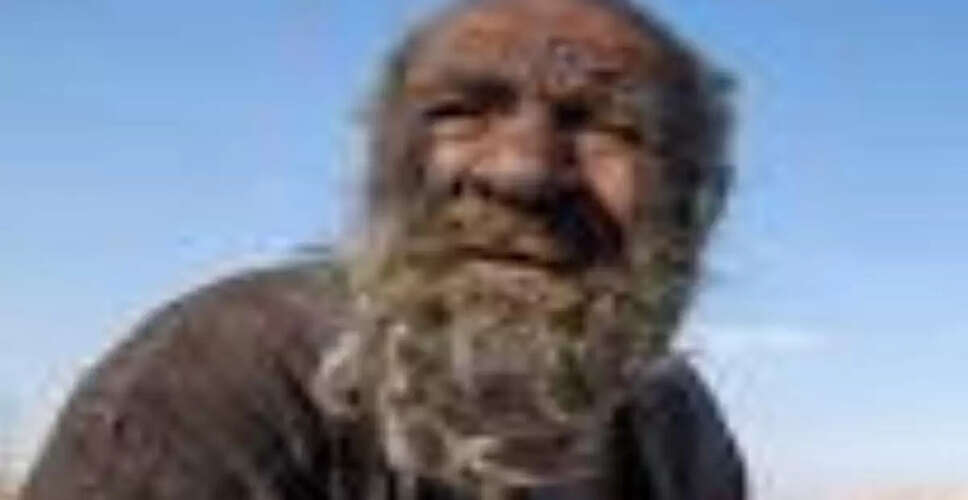
Dharamshala: While most individuals find it hard to go without a bath for a few days, Amou Haji, an Iranian hermit from the village of Dejgah, managed to avoid water and soap for an astonishing sixty years. Known globally as the 'world's dirtiest man,' Haji believed that bathing would lead to severe health issues.
The Roots of His Fear
A local health worker who interacted with Haji shared insights into his aversion to cleanliness, which stemmed from traumatic experiences in his early life. "After facing numerous personal challenges, he became convinced that washing would harm his health. This belief shaped his entire existence," the health worker recounted.
Unconventional Habits Yet Remarkable Health
Haji's lifestyle was as peculiar as it was unsanitary. He consumed the flesh of dead animals found on roads, drank from rusty cans and muddy puddles, and preferred to burn his hair instead of cutting it. Locals reported that he even smoked animal waste in a pipe. Surprisingly, medical examinations in recent years indicated that he was largely free from serious illnesses.
A Bath That Altered Everything
In mid-2022, after persistent encouragement from villagers, Haji finally agreed to take a bath for the first time in decades. Shortly thereafter, his health began to deteriorate, and he passed away in October 2022 at the age of 94. While some villagers attributed his decline to the bath, medical professionals believe it was more likely a coincidence related to his advanced age.
A Legacy of Personal Beliefs
Haji's life story has sparked global interest—a man who lived nearly a century while defying conventional hygiene practices. His experiences serve as a powerful reminder of how deeply personal beliefs can influence behavior and ultimately shape one's legacy, according to analysts.