
The Evolution of Father Figures in Bollywood: From Authority to Emotional Support

Transforming Portrayals of Fathers in Hindi Cinema
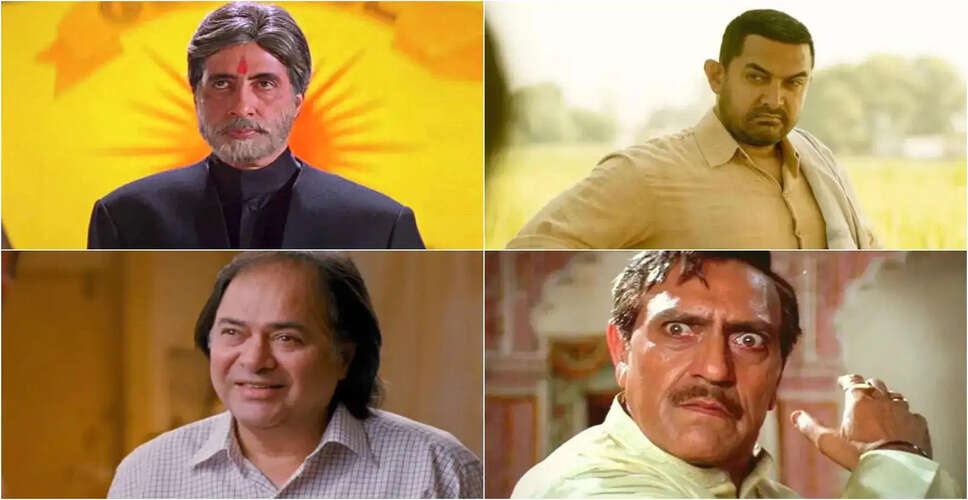
In the iconic scene from Kabhi Khushi Kabhie Gham, Amitabh Bachchan's commanding voice resonated through Raichand Mansion as he declared, "Keh Diya Na, Bas Keh Diya". This moment not only showcased his authority over Jaya Bachchan but also emphasized the traditional values he expected his son Shah Rukh Khan to uphold, particularly regarding marriage choices. The legacy of family values continued to evolve, as seen in Mohabbatein (2000), where Bachchan's character further instilled principles of respect and discipline towards his daughter Aishwarya Rai. However, the narrative of fatherhood in Hindi cinema extends beyond the Bachchan family. Historical figures like Prithviraj Kapoor, who famously condemned Anarkali for loving his son Salim, and Aamir Khan, who inspired his daughters to excel, illustrate the complex dynamics of fatherhood in Bollywood. For decades, fathers in this industry have embodied authority, discipline, and family honor, often serving as the ultimate decision-makers in their households. Whether it was a daughter's marriage or a son's career path, the father figure typically represented societal expectations rather than emotional support.
Over time, the depiction of fathers in Hindi films has undergone significant changes. The once rigid patriarch has transformed into a more nuanced character, often flawed yet increasingly supportive. Today's Bollywood fathers are not just custodians of tradition; they are emotional anchors, friends, and partners in their children's lives.
Era of Authority: The Traditional Patriarch (1960s - 1990s)
In earlier decades, Bollywood fathers were frequently portrayed as stern figures whose love was expressed through control rather than affection. Their primary concerns revolved around social status and ensuring their children adhered to societal norms. Films like Deewaar (1975) and Shakti (1982) highlighted the conflicts between fathers and sons, often centered on moral dilemmas. In Shakti, the relationship between police officer Ashwini Kumar (Dilip Kumar) and his rebellious son Vijay (Amitabh Bachchan) illustrated the tension between duty and personal emotions. The father's love was overshadowed by his commitment to law and order.
Fathers often served as obstacles in romantic narratives during the 1980s and 1990s, embodying societal restrictions and family honor. They were typically the source of conflict rather than support for the protagonists. Two notable portrayals from this era include Prithviraj Kapoor's Emperor Akbar in Mughal-E-Azam (1960), who prioritized state over personal affection, and Amrish Puri's Baldev Singh in Dilwale Dulhania Le Jayenge (1995), who, despite his love for his daughters, imposed strict boundaries on their choices. These films showcased the range of father roles in Bollywood, often positioning them as antagonists in their children's journeys.
In Hum Aapke Hain Koun (1994), Alok Nath's character marked a shift towards more emotionally connected fathers, who, while still traditional, expressed love in subtler ways. In Kabhi Khushi Kabhie Gham (2001), Amitabh Bachchan's Yashvardhan Raichand exemplified a powerful patriarch whose strictness created familial conflict, yet his emotional vulnerability became apparent as the story unfolded.
Films like Baghban (2003) portrayed fathers as emotional victims, highlighting their sacrifices and the pain of abandonment by their children. This marked a departure from the traditional oppressive father figure, presenting a more complex emotional landscape.
Fathers Learning from Their Children (2000s - 2010s)
The 2000s ushered in a new era where fathers began to evolve alongside their children. In Wake Up Sid (2009), Anupam Kher's character grapples with his son's lack of ambition, reflecting a generational gap that emphasizes understanding over obedience. Similarly, Paa (2009) explored a unique father-son dynamic, where Amitabh Bachchan's character, Auro, teaches his father about responsibility and emotional growth.
Supportive Fathers in Modern Cinema (Post 2010s)
Contemporary Bollywood has shifted away from the notion that fathers must always have the answers. They are now depicted as companions who support their children's choices. In 3 Idiots (2009), Farhan's father embodies the traditional dictatorial parent, yet ultimately surrenders his dreams for his son's happiness. Similarly, Mahavir Singh Phogat in Dangal (2016) transitions from a strict father to a supportive partner in his daughters' aspirations.
Farooq Sheikh's portrayal of Kabir's father in Yeh Jawaani Hai Deewani (2013) is celebrated for his supportive nature, encouraging his son to pursue his dreams without imposing traditional constraints. In Angrezi Medium (2020), Irrfan Khan's character exemplifies a loving yet flawed father who strives to fulfill his daughter's ambitions.
Emotional Expression in Fatherhood
Recent films have embraced the idea of fathers openly expressing their emotions. The portrayal of dads who cry, apologize, and acknowledge their mistakes is becoming more accepted. Characters in Jugjugg Jeeyo (2022) and Sharmaji Namkeen (2022) showcase fathers with identities beyond their parental roles, highlighting their own dreams and struggles. Films like Badhaai Ho (2018) further challenge traditional family dynamics, presenting parents as individuals with lives beyond motherhood and fatherhood.
Fathers as Catalysts for Growth
Historically, fathers defined the protagonist's challenges, often serving as barriers to acceptance. Today, they are more involved in their children's development, providing emotional support and learning alongside them. The evolution from authoritative figures to supportive partners reflects a broader societal transformation, moving from obedience-based relationships to those grounded in understanding.
The modern Hindi film father is multifaceted—protective yet vulnerable, stern yet loving—mirroring the complexities of real-life parenting. This shift signifies a significant change in Indian society, where relationships are increasingly based on mutual respect and understanding.