
The Enduring Legacy of John Abraham: A Cinematic Pioneer
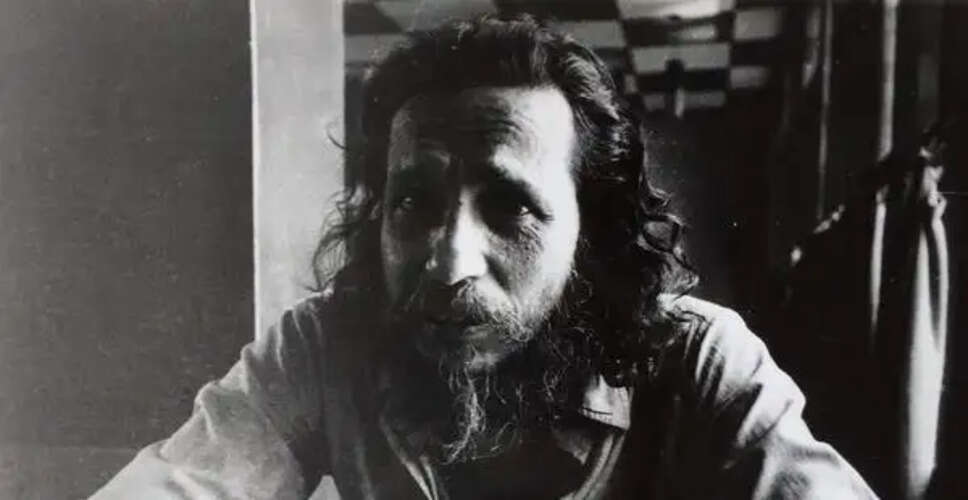

Remembering John Abraham: A Cinematic Icon
When discussing the filmmaker John Abraham, it often feels as if he resides just around the corner rather than having passed away decades ago.
Though he directed only four feature films before his untimely death in 1987, Abraham's influence on popular culture remains significant. Even after more than thirty years, his legacy continues to inspire vivid recollections and lively stories.
Family members and friends recall intricate details about him, with many remembering their exact locations when they learned of his passing. They often spot individuals resembling Abraham—men with piercing gazes and robust beards, sometimes with the scent of alcohol, engaged in discussions about politics, history, and existential questions.
Cinematographer Venu, who worked on Abraham’s film Amma Ariyan in 1986, refers to these lookalikes as 'Clone Abrahams.' He notes that while many have attempted to emulate Abraham, none truly capture his essence.
John was, is, and will forever be a significant figure. His memory is preserved both in the physical world and online, with three of his films available on platforms like YouTube, including his last work, Amma Ariyan (Report to Mother).
Themes and Impact of Abraham's Work
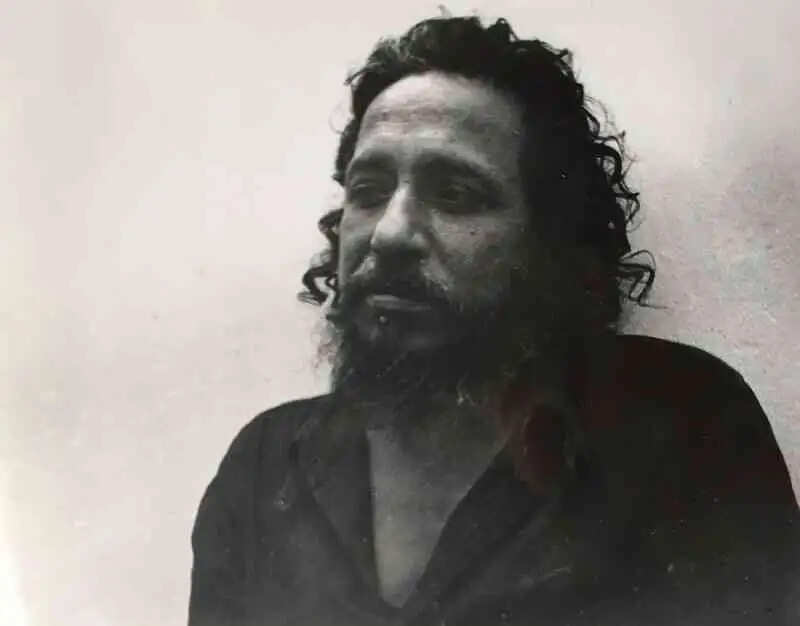
Film scholar CS Venkiteswaran noted that journeys serve as a recurring theme in Abraham's films, exploring personal and socio-political narratives, and traversing from theory to practice, biography to history, and life to death.
Abraham's cinematic journey began in 1971 with Vidyarthikale Ithile Ithile, which depicted students taking a moral stand against their teacher. This film emerged during a vibrant decade filled with creative talent.
Across Kerala, filmmakers were reinterpreting their environments with fresh perspectives, crafting narratives that reflected both global cinematic movements and local folklore, addressing the political and social upheavals of the time.
Vidyarthikale Ithile Ithile was released just before Adoor Gopalakrishnan's Swayamvaram and G Aravindan's Uttarayanam, marking the beginning of a new wave in Malayalam cinema.
Exploring Abraham's Notable Films
In 1977, Abraham's second film, Agraharathil Kazhuthai, tackled Brahmin hypocrisy through the story of a professor who adopts an abandoned donkey. His 1979 film, Cheriyachante Kroorakrithyangal, depicted a farmer's descent into madness amid societal injustices.
Amma Ariyan, released in 1986, delves into themes of death—both personal and ideological. The film maps Kerala's geography, history, and emotional landscape, reflecting the radical phase of the Naxalite movement.
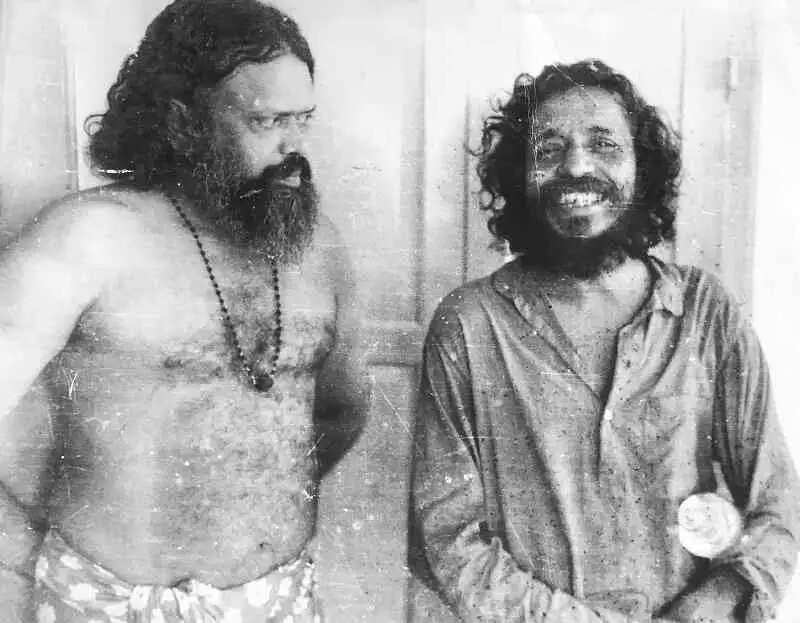
The film's protagonist, Purushan, embodies a younger version of Abraham—a restless spirit grappling with personal and political dilemmas. His journey to Delhi is interrupted by the suicide of a politically engaged tabla player, leading him to seek out the deceased's mother.
The Making of Amma Ariyan
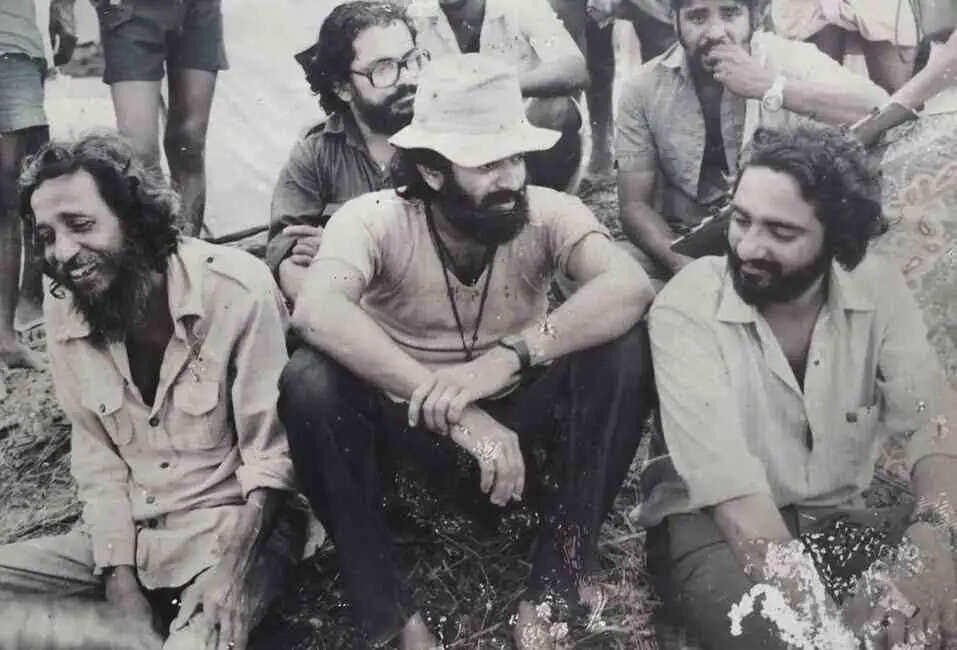
Culture critic Johny ML highlighted that Amma Ariyan was set against the backdrop of radical political discourse in 1970s Kerala, marked by worker and student protests against police brutality. The film even features a scene depicting a rehearsal for a play advocating for Nelson Mandela's release.
Produced by the Odessa Collective, a group of film enthusiasts aiming to create 'people's cinema,' Amma Ariyan was funded through public contributions, a precursor to modern crowdfunding. The film opens with a mission statement emphasizing its artistic integrity.
The production faced numerous challenges, including disagreements stemming from Abraham's volatile moods and drinking habits. Yet, the film's emotional core remained intact, particularly through the quieter moments shared with mothers encountered by Purushan and his companions.
John Abraham's Complex Persona
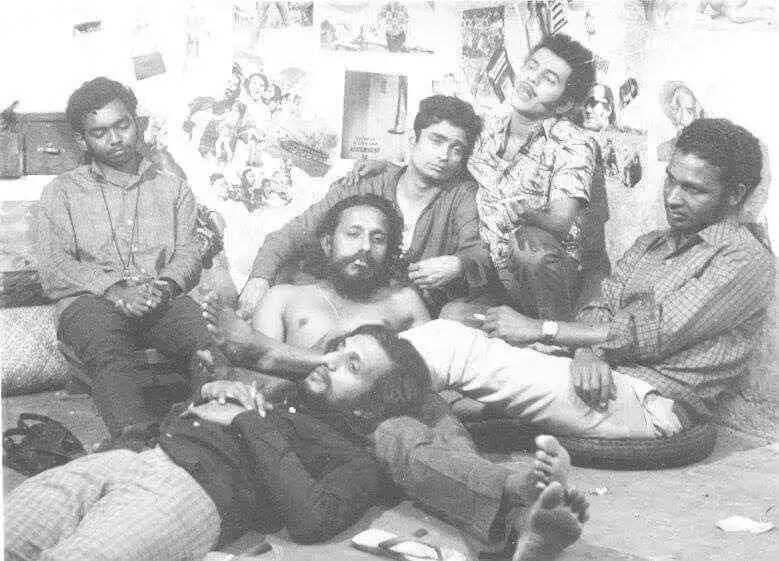
While John Abraham is often remembered as a self-destructive rebel, his nephew, artist Pradeep Cherian, describes him as a kind-hearted and democratic individual. Cherian recalls Abraham's love for music and his encouragement for others to explore literature and cinema.
Abraham's life was multifaceted; he was a teacher, an employee at the Life Insurance Corporation, and a student of directing at the Film and Television Institute of India, where he learned from the influential Ritwik Ghatak. His reputation as a local legend preceded his directorial career.
Amma Ariyan was edited by Bina Paul, who later became a prominent filmmaker. The collaborative nature of the production involved improvisation and on-location script development, reflecting Abraham's vision.
The Legacy of John Abraham
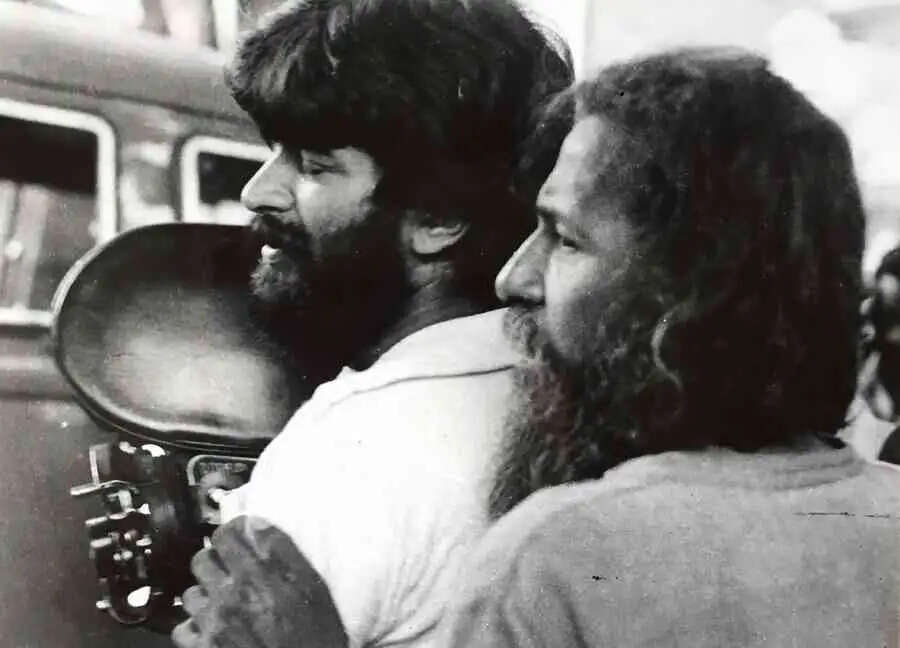
Despite the challenges faced during production, Amma Ariyan emerged as a groundbreaking film that captured the essence of its time. The film's unique narrative style and emotional depth resonate with audiences even today.
Abraham's untimely death in 1987, following a tragic accident, solidified his status as a cult figure. His family embraced a 'public property' approach to his work, allowing his films to remain accessible to all.
The impact of Abraham's work continues to inspire new generations of filmmakers, with recent projects exploring his life and legacy. The cult of John Abraham has transcended regional boundaries, reaching audiences worldwide through digital platforms.