
The Devil Wears Prada 2: A Stark Reflection on Modern Journalism
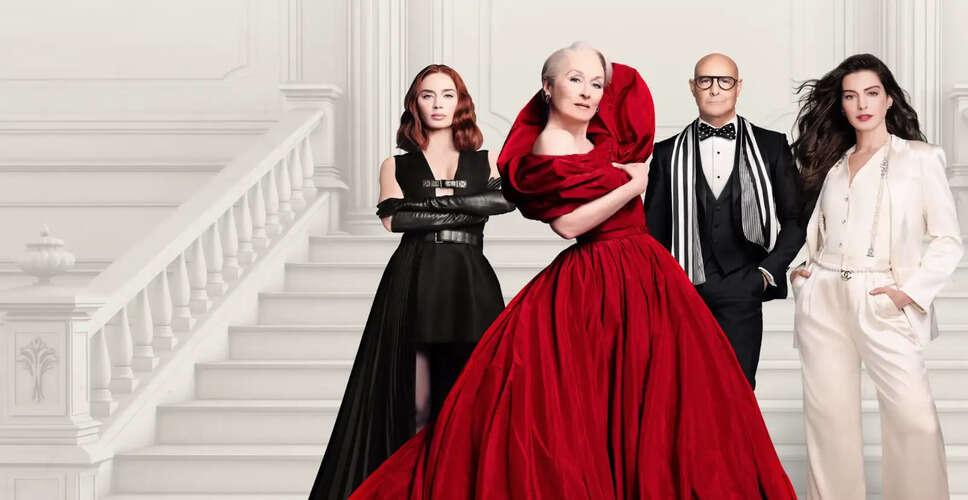

A Long-Awaited Sequel
The much-anticipated sequel, The Devil Wears Prada 2, premiered on May 1, captivating a generation that grew up with the original film's glamorous narrative about ambition and the sacrifices that come with success. While the sequel concludes on a seemingly positive note, it delves into a more unsettling reality. The film shifts from the light-hearted tone of its predecessor to present a starkly realistic depiction of today's media landscape, where survival often demands compromises and integrity is at odds with relevance. Through Andy Sachs’ hesitant return to Runway, the film captures an unspoken anxiety prevalent in newsrooms today, portraying an industry struggling to maintain its composure amidst chaos.
A Reality Check for Journalists
The Devil Wears Prada 2 cuts closer than it should
As someone who was inspired to pursue a writing career by the original film, I expected the sequel to whisk me back into a world of fiction where Andy thrived in her journalism career. Instead, I was confronted with a sobering reminder of the harsh realities facing journalism today, which is rapidly declining.
The film's irony is palpable. Andy Sachs, portrayed by Anne Hathaway, once left Runway in search of fulfilling journalism. Now, two decades later, she finds herself forced back into that world due to layoffs. In an industry where clicks overshadow credibility, Andy's return as a features writer highlights the desperate need for both her and the magazine.
Miranda Priestly's Struggles
Miranda Priestly still rules, but the world around her has changed
Miranda Priestly, expertly played by Meryl Streep, remains a formidable presence. However, she too faces challenges as Runway is threatened by corporate interests. The film illustrates her struggle to adapt to a changing environment, where billionaires and AI narratives threaten the very essence of journalism. Her interactions with these forces reveal the precarious state of the industry.
Unlike the original, which focused on personal conflicts, the sequel broadens its scope. The true antagonist is the system itself, where articles are evaluated based on engagement metrics rather than journalistic integrity. Andy's emotional turmoil as she witnesses talented colleagues facing layoffs resonates deeply with anyone familiar with the current media landscape.
A Confession for Media Professionals
Why The Devil Wears Prada 2 hit me like a brick
For casual viewers, the film may seem like a clever sequel, but for those in the media, it feels like a candid confession. The screenplay reflects our daily struggles, highlighting the looming threat of layoffs and the shift towards metrics-driven journalism. While the film ends on a hopeful note, suggesting that the magazine can thrive under new ownership, it raises critical questions about the future of journalism.
The underlying message is clear: journalism, as we once knew it, may be fading away, leaving behind a landscape where many journalists are now content creators and influencers. The film acknowledges this reality, leaving viewers to ponder whether there is a future for traditional journalism amidst such rapid change.