
The Controversy Surrounding Ram Charan's 'Peddi' and the Objectification of Women in South Indian Cinema

Introduction to the Controversy
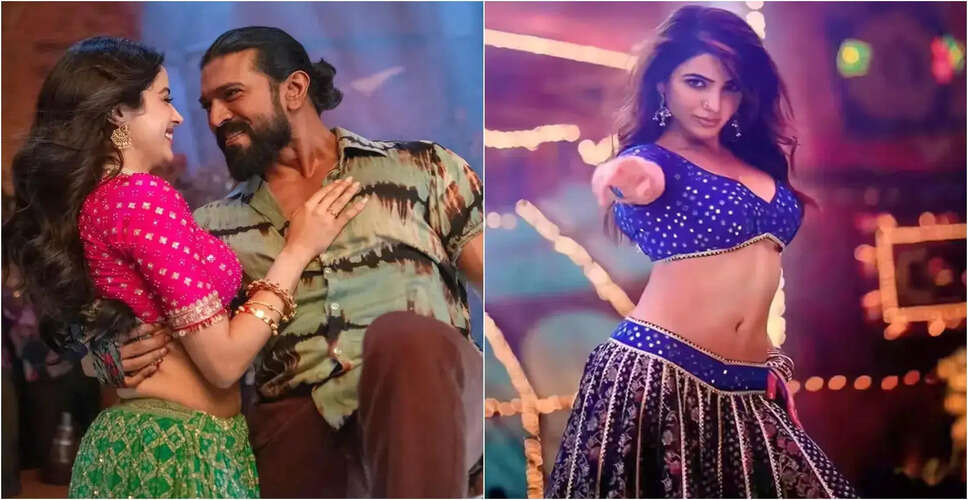
Ram Charan's film Peddi has sparked significant backlash due to the overt objectification and hypersexualization of its female lead, Janhvi Kapoor, who portrays Achiyamma. Following its release, discussions expanded beyond the film itself, prompting critics, audiences, and industry analysts to revisit a longstanding issue in South Indian cinema: Why do mainstream films continue to depict women as mere objects of desire despite evolving audience preferences? The focus has shifted from box office success to the representation of women on screen. Observers have noted a troubling inconsistency: even when narratives advocate for the dignity of marginalized communities, the portrayal of women often reduces them to mere visual objects, as seen with Janhvi, whose body is emphasized over her emotional depth.
The Dilemma of Objectification
Peddi Faces Criticism
In a particular scene from Peddi, Ram Charan's character forcibly kisses Janhvi Kapoor while she is visibly distressed, raising serious concerns about the filmmakers' understanding of consent. This moment is accompanied by an AR Rahman score that attempts to frame the act as romantic. Additionally, a song featuring Janhvi focuses solely on her physical attributes, with the camera lingering on her body rather than her character's emotional journey. This raises questions about what messages are being normalized through such portrayals, especially given Ram Charan's star power.
Historical Context of Female Representation
Long-standing Commercial Trends
The trend of objectifying women in South Indian cinema has roots in the commercial formulas that gained prominence in the 1990s and 2000s. These films often relied on glamorous song sequences and choreographed dances, prioritizing visual appeal over character depth. Critics argue that such portrayals diminish women to mere aesthetic elements rather than fully realized characters.
Cited Films in the Discussion
Examples of Limited Agency
Films like Pushpa: The Rise, Sarileru Neekevvaru, and Vinaya Vidheya Rama have been highlighted for featuring female characters with minimal narrative agency, despite their significant screen time. The inclusion of item songs has also drawn criticism, with tracks like Oo Antava igniting discussions about the sexualization of women in mainstream cinema.
Wider Industry Patterns
Why These Tropes Persist
This issue is not confined to Telugu cinema; similar criticisms have been directed at films across Tamil, Kannada, Malayalam, and Hindi industries. For years, South Indian cinema has followed a star-driven model centered on larger-than-life male protagonists, with filmmakers believing that glamorous sequences enhance a film's appeal.
Legacy of Commercial Cinema
Recycling Old Narratives
The persistence of these portrayals can be attributed to a legacy of commercial cinema, where directors have been conditioned to accept and replicate these narratives. Consequently, the formula continues to be recycled, as some audience segments still expect traditional hero-heroine dynamics, making studios reluctant to innovate.
Signs of Change
Emerging Female Narratives
However, change is on the horizon. The industry has demonstrated its capacity to create complex female characters with their own ambitions and conflicts, independent of male leads. Films featuring actresses like Sai Pallavi, Nithya Menen, and Nayanthara have shown that audiences are increasingly receptive to women-led stories. Notable films such as Mahanati, Gargi, and The Great Indian Kitchen have achieved both critical acclaim and commercial success, indicating a shift in audience expectations.
Future Prospects
Audience Expectations and Industry Response
Today's audiences are more vocal, and social media amplifies criticism rapidly. Younger viewers are increasingly demanding meaningful character arcs for female roles rather than mere appearances in songs and romantic scenes. While commercial cinema may not abandon glamour overnight, the rising backlash suggests that filmmakers must find a better balance between entertainment and representation.
A Call for Progress
Looking Ahead
The ongoing debate transcends individual films like Peddi; it reflects a broader challenge within the South Indian film industry. The pressing question is whether the industry can adapt quickly enough to meet evolving audience expectations. Change is possible, but it requires filmmakers willing to take risks and explore narratives that move beyond traditional gender roles. The audience of 2026 seeks stories that exist outside the male gaze, emphasizing that cinema should not merely cater to male desires but also uplift and empower female characters.