
Terence Lewis Opens Up About His Spiritual Journey and Questioning Faith
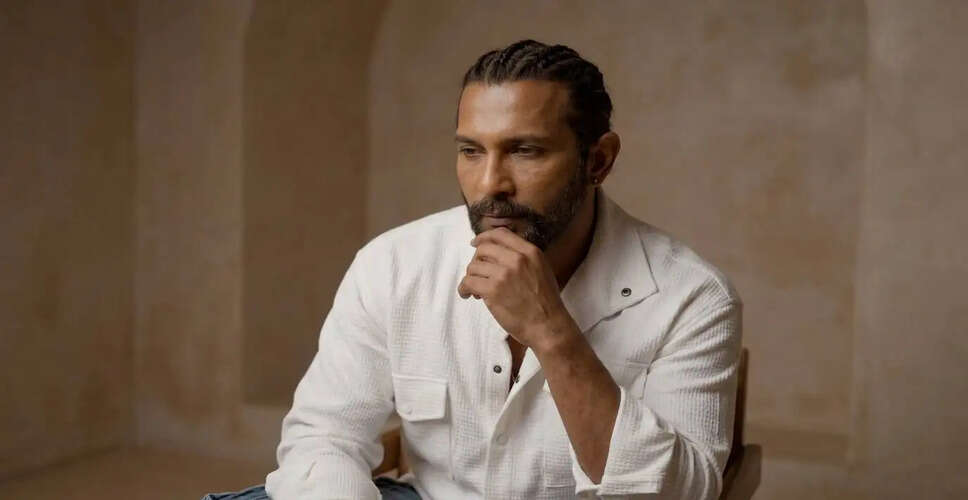

Exploring Faith and Doubt: Terence Lewis's Personal Journey
Choreographer Terence Lewis has shared his introspective journey regarding his religious beliefs, revealing how he grappled with doubt in a life steeped in strict faith. In a recent episode of the show Before I Became Me, hosted by Rishabh Shah, he reflected on the difficulties he encountered as a child when challenging deeply ingrained beliefs, and how this internal conflict shaped his identity and affected family relationships.
Growing up in a devout Christian environment, Terence was encouraged to study religious texts. His innate curiosity led him to read the Bible extensively, first at eight and again at twelve. He recalled, "By that age, I began to question... I noticed many inconsistencies, and even the priests struggled to provide answers. At one point, I was told, 'Leave, you're asking too many questions.'" This early exploration of faith initiated a significant internal struggle.
These inquiries extended beyond the church, impacting his family life and causing emotional distress, especially for his mother, who struggled with her son's evolving beliefs. Terence remarked, "Questioning religion was incredibly challenging for my mother... I realize I caused her a lot of pain." This acknowledgment illustrates the personal impact that such doubts can have on family dynamics.
In his discussion, Terence differentiated between personal faith and organized religion, asserting that the issues often lie within the institutions rather than the spiritual teachings themselves. He expressed, "It's not about Jesus Christ, but the church system... why should I accept someone else's interpretation of the Bible instead of forming my own views?"
By revisiting these pivotal moments on Before I Became Me, Terence highlighted the subtle conflicts many face between family faith traditions and their own uncertainties. His narrative emphasizes how early questioning of religious frameworks can profoundly influence personal development, relationships, and one's perception of belief.