
Sanjay Dutt's Aakhri Sawal Faces UAE Ban Ahead of Release
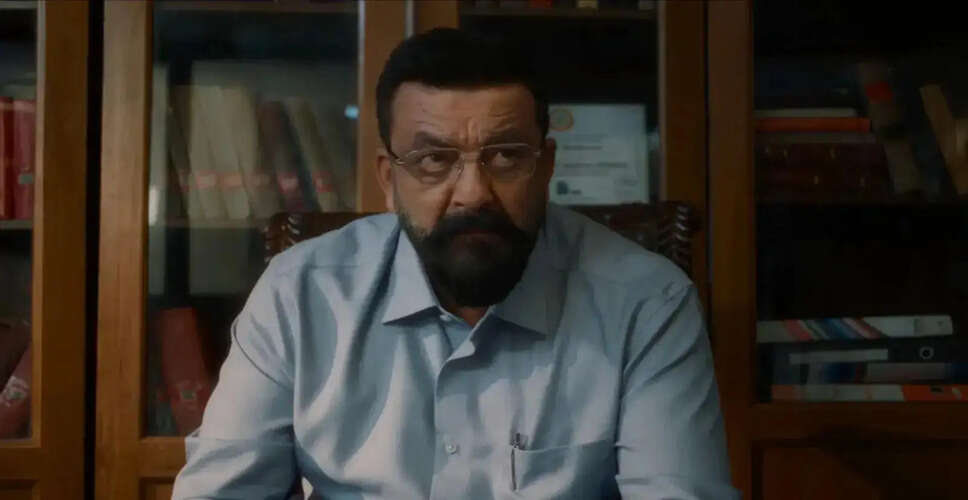

Aakhri Sawal Set for Theatrical Release
The much-anticipated film Aakhri Sawal, featuring Sanjay Dutt, is scheduled to hit theaters on May 15. Just days prior to its debut, the Central Board of Film Certification granted it a UA 16+ rating. While the Indian censor board approved the film, the UAE's censor board requested several cuts, which the filmmakers reportedly declined to make. Following films like Dhurandhar and Border 2, Aakhri Sawal has become the latest Hindi film to be banned across various UAE regions including Abu Dhabi, Dubai, Sharjah, Ajman, Fujairah, Ras Al Khaimah, and Umm Al Quwain.
Reasons Behind the UAE Ban
Why is Aakhri Sawal banned in the UAE
Sources indicate that Aakhri Sawal was banned in the UAE due to the censor board's recommendation for multiple cuts. The filmmakers opted to release the same version as in India, standing firm against the UAE's demands. As a result, they chose not to release the film in that region. Following this, a new Hindi theatrical release, Pati Patni Aur Woh Do, has been scheduled for screenings in many UAE cities, although showings are limited due to the ongoing Iran-Israel-U.S. conflict affecting the emirates. Other Indian films like Daadi Ki Shaadi and Karuppu are still being screened, alongside Hollywood titles such as The Devil Wears Prada 2 and Michael.
Hindi Films and Censorship in the UAE
Hindi films banned in the UAE
Typically, Hindi films that delve into political themes, particularly those related to the India-Pakistan conflict, face bans in the UAE and other Gulf nations. Films like the Dhurandhar series, a spy thriller, and Border 2, which focuses on the Indo-Pak war, were also denied releases in the region. However, these films became accessible to audiences in banned countries when they premiered on streaming platforms like Netflix.
Overview of Aakhri Sawal
All you need to know about Aakhri Sawal
In addition to Sanjay Dutt, Aakhri Sawal features a talented cast including Namashi Chakraborty, Amit Sadh, Sameera Reddy, Nitu Chandra, Tridha Choudhury, Mrinal Kulkarni, and Harsimran Oberoi. The film explores themes of freedom of speech and engages with India's socio-political history, particularly focusing on controversial events linked to the Rashtriya Swayamsevak Sangh (RSS). Directed by Abhijeet Mohan Warang, the film is produced by Nikhil Nanda and Sanjay Dutt, with co-production from Puneet Nanda, Dr. Deepak Singh, Gaurav Dubey, and Ujjwal Anand. The screenplay and dialogue are crafted by Utkarsh Naithani.