
Sambhavna Seth Shares Heart-Wrenching Miscarriage Journey on 'Tum Ho Na'

A Candid Conversation on Motherhood
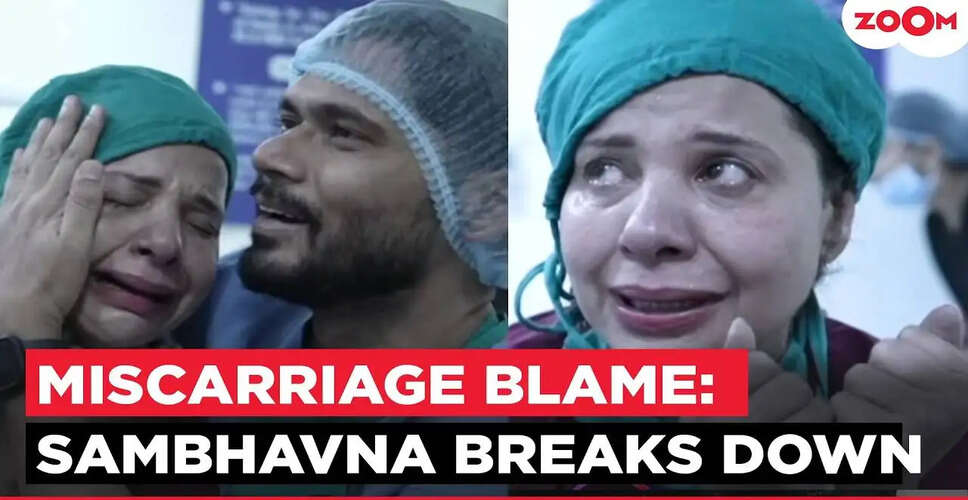
During a recent episode of Rajeev Khandelwal's show, "Tum Ho Na," television star Sambhavna Seth opened up about one of the most challenging periods in her life. The episode delved into themes of pregnancy, motherhood, and the misconceptions that women often encounter during this transformative time. Khandelwal welcomed new mothers to pose questions about pregnancy and maternal health, leading to a heartfelt discussion with Seth, who became a mother of twins via surrogacy. She bravely shared her painful journey of experiencing multiple miscarriages and the harsh judgments she faced from those around her.
Seth recounted a particularly traumatic experience from two years ago when she lost a pregnancy at three months. During this time, she endured constant scrutiny, with people advising her against various activities, questioning her decisions, and blaming her lifestyle for the loss. "When the miscarriage happened, everyone said in unison that it was because I was active, walking around, and working," she recalled. However, medical evaluations later indicated that the causes of her miscarriage were unrelated to her actions.
In her emotional narrative, Seth revealed that this was not her only loss. She remembered another miscarriage that occurred just before she was about to publicly announce her pregnancy. "We had even done a photoshoot to reveal the news. On the very day we planned to share it, I had a scan that morning and discovered that the baby's heartbeat had ceased 15 days prior," she shared, leaving many viewers deeply moved. This poignant moment underscored the often-hidden struggles women face during pregnancy.
Seth also addressed a prevalent misconception about pregnancy, questioning why women are frequently expected to pause their lives upon conception. Reflecting on the backlash she received after her miscarriages, she stated, "I have faced significant trolling due to this. The reasons for my losses were certainly not because I was active, working, or watching television." Through her story, she highlighted the need for understanding medical realities and fostering empathy rather than placing blame on women for situations beyond their control.