
Revolutionizing Rural Entertainment: Kissa Shuru Talkies Brings Cinema Home

A New Era for Rural Cinema in Maharashtra
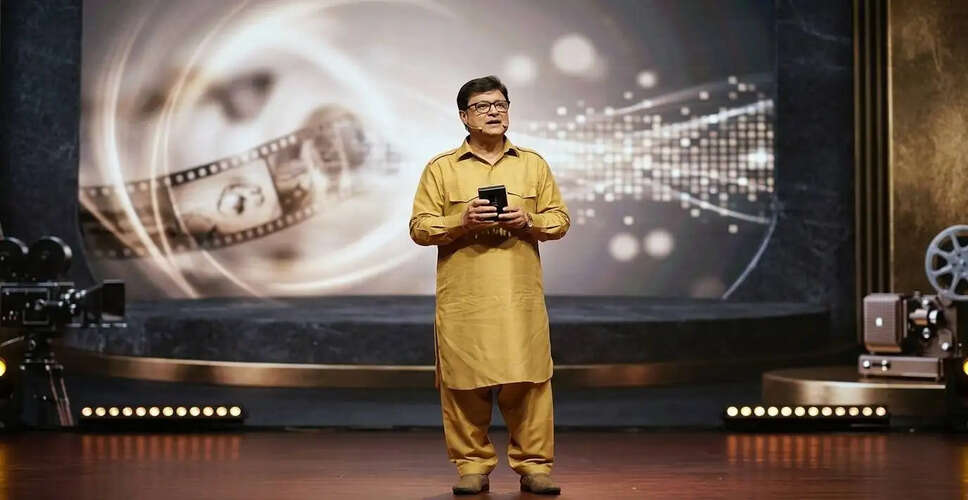
In the rural regions of Maharashtra, residents have faced challenges in accessing the latest films due to a scarcity of cinema halls, often requiring them to travel to urban areas for entertainment. To tackle this issue, a groundbreaking initiative named Kissa Shuru Talkies has been introduced, aiming to deliver new films directly to rural viewers. The launch event took place in Mumbai, graced by the presence of Ashish Shelar, the state's Minister for Information Technology and Cultural Affairs, alongside veteran actor Sachin Pilgaonkar, who was the chief guest. The event also saw participation from notable industry figures such as Deepak Tijori, Abhijeet Panse, and Priya Berde, with a special message from Chief Minister Devendra Fadnavis underscoring the initiative's importance.
Kissa Shuru Talkies Home Cinema is an innovative HDMI device that connects to televisions, enabling rural audiences to watch newly released films without needing to visit a cinema. Filmmakers will upload their films to the KST platform, with fresh titles available for download every Friday. Viewers can enjoy films at an affordable price of just ₹99, making it a practical and budget-friendly entertainment option for rural communities.
The device features two unique, patent-pending technologies developed by KST. The Family Safe Mode allows families to select age-appropriate content, while the Producer-to-Audience Video Call feature facilitates direct interaction between filmmakers and viewers in villages. Furthermore, the platform employs advanced digital rights management and forensic watermarking technologies to protect the integrity of the shared content.
During the launch, the first film associated with Kissa Shuru Talkies was unveiled, with acclaimed director Gajendra Ahire voicing his support for the initiative. Founders Santosh Birajdar, Abhishek Jathar, and Shirish Shinde shared that this initiative aims to close the gap for numerous villages in Maharashtra that still lack cinema access, thereby reconnecting rural audiences with the latest film releases.
Ashish Shelar commended the initiative as both innovative and timely, highlighting its role in preserving the essence of Marathi cinema while making films accessible to households. Sachin Pilgaonkar echoed this sentiment, stressing the significance of the initiative for rural viewers who often travel long distances to enjoy films. He expressed his enthusiasm for the project and encouraged rural audiences to embrace this new opportunity, which he believes will be beneficial for filmmakers, producers, and viewers alike.