
Reviving Indian Animation: The Journey of 'Return of the Jungle'

A Rare Gem in Indian Animation
Indian feature-length animated films are a rarity, akin to spotting comets in the night sky. While India has established itself as a significant center for outsourced animation and visual effects, the production of domestic animated films remains limited.
The short list of notable films includes VG Samant’s Hanuman (2005), which was the first Indian animated feature to hit theaters instead of being released on television. Prior to Hanuman, the Indo-Japanese collaboration Ramayana: The Legend of Prince Rama, created by Koichi Sasaki, Yugo Sako, and Ram Mohan, had a limited theatrical release in 1997.
Recent Contributions to Animation
More contemporary works feature Arnab Chaudhuri’s Arjun: The Warrior Prince (2012), Harry Baweja’s Chaar Sahibzaade (2014), Shilpa Ranade’s Goopi Gawaiya Bagha Bajaiya (2019), Gitanjali Rao’s Bombay Rose (2019), and various spin-offs from the beloved series Chhota Bheem. The short-form format has gained more traction, with television shows, commercials, and short films like Adithi Krishnadas’s Kandittund! (2021), produced by animation expert Suresh Eriyat.
Vaibhav Kumaresh’s Return of the Jungle, a 104-minute film, aims to demonstrate that Indians can create feature-length animations that resonate with audiences and succeed at the box office. The Hindi-language film is currently awaiting its theatrical release.
Kumaresh's Vision and Background
Kumaresh is a prominent figure in Indian animation, with a career that includes numerous commercials and the International Emmy-nominated series Lamput.
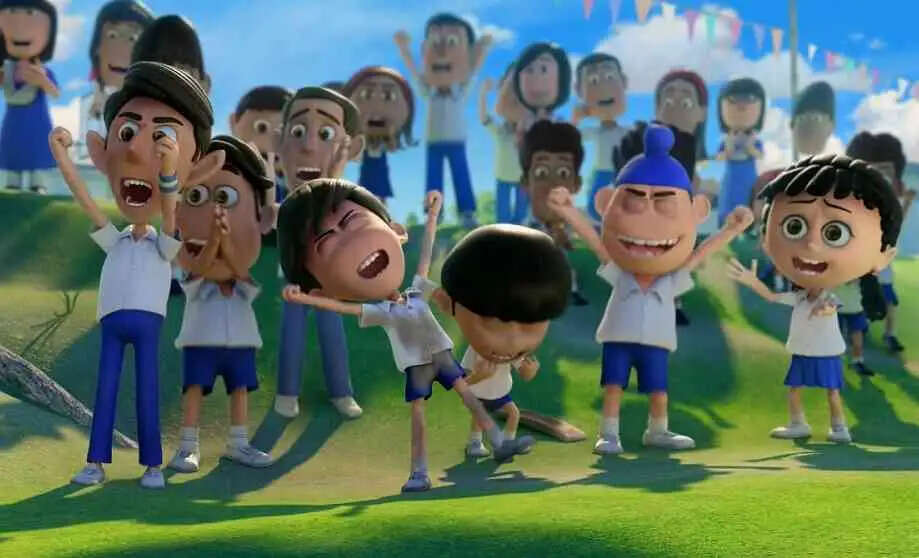
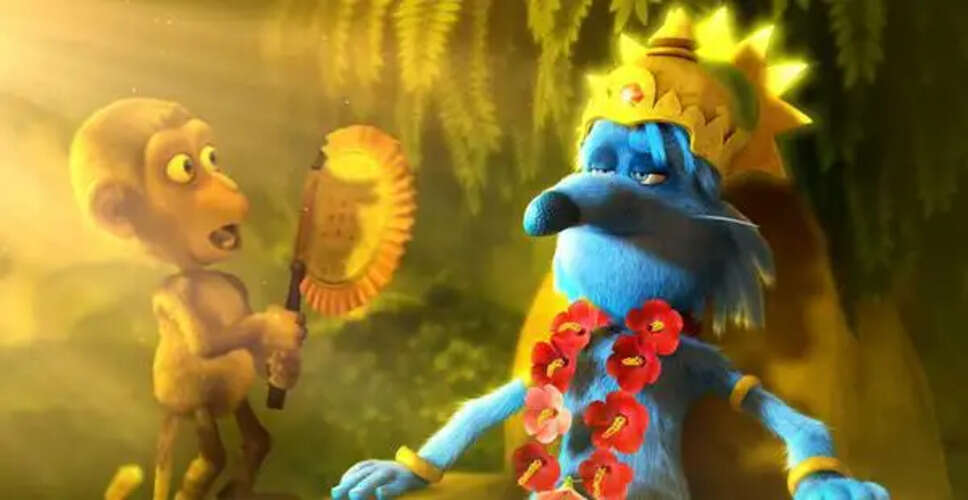
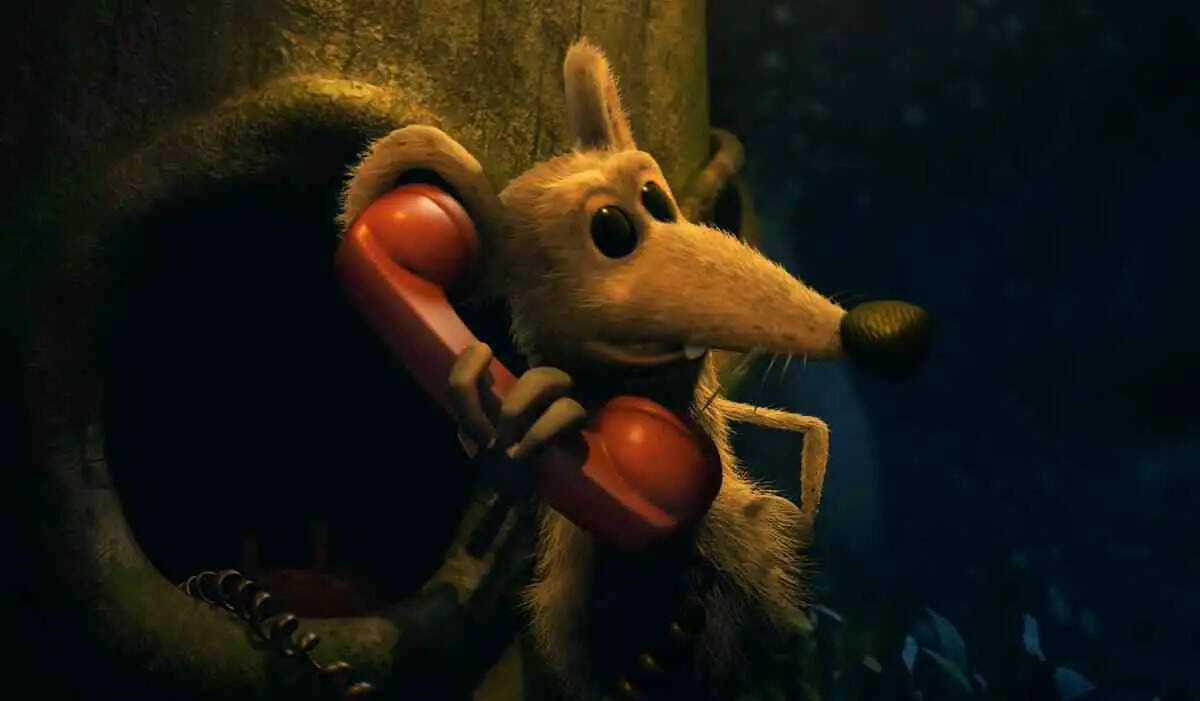
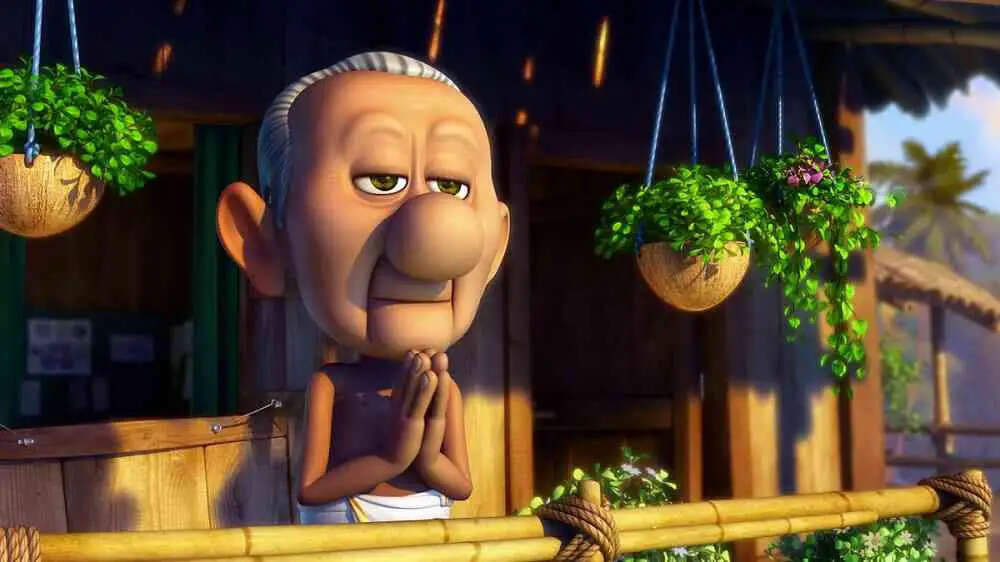
He has both directed and designed Return of the Jungle, with voice direction by Eliza Lewis, Greta Lewis, and Ramendra Vasishth. The story follows a diverse group of Kendriya Vidyalaya students and their adventures, guided by their wise mentor, Thata, who uses Panchatantra-like tales to uplift their spirits. The narrative features a clever jackal and a helpful rat that operates a helpline for distressed animals.
Showcasing at the Mumbai International Film Festival
Return of the Jungle is part of the Mumbai International Film Festival for documentaries, shorts, and animation, organized by the National Film Development Corporation. The challenges faced by the Indian animation industry are a significant focus at this year’s 18th edition, taking place from June 15-21.
Kumaresh, who studied fine arts at the Chamarajendra Academy of Visual Arts in Mysore and animation at the National Institute of Design in Ahmedabad, has been working on Return of the Jungle for over 15 years. In a recent interview, he discussed the lengthy production process and emphasized the importance of ambitious storytelling in Indian animation.
Challenges in Indian Animation
Why are Indian animated films so infrequent? The nature of animation requires meticulous attention to detail, with studios worldwide often taking five to six years to complete a feature film. In India, this timeline can be even longer.
When Hanuman was released, it turned a profit, leading many to believe animation was a lucrative venture. However, the industry soon faced a downturn as storytelling and distribution failed to engage audiences effectively. Animation became perceived as a medium solely for children, overshadowing its potential for rich storytelling.
The Evolution of 'Return of the Jungle'
Throughout its production, the structure of Return of the Jungle has evolved, but its core themes have remained intact. Kumaresh drew inspiration from his childhood experiences, including his time in Kendriya Vidyalaya schools and his love for Amar Chitra Katha comics, which shaped his storytelling approach.
The film aims to present timeless fables in a way that resonates with contemporary audiences, highlighting valuable life lessons through its narrative. The title reflects the film's connection to the jungle, symbolizing a return to nature.
Production Hurdles and Funding
Securing funding for the film proved challenging, leading the small team of 17-18 members to self-finance the project. This approach extended the production timeline, as the same team earned and reinvested funds into the film. Kumaresh expressed that if they had secured a budget upfront, the process could have been expedited.
Despite the challenges, the team remained committed to their vision, creating a film that reflects their artistic integrity. Now, Kumaresh faces the task of promoting the film to ensure it reaches audiences and recoups the investment for future projects.
Animation Style and Voice Casting
Kumaresh's distinctive animation style is evident throughout the film, utilizing digital 3D techniques. He has been honing this style since childhood, resulting in unique character designs that reflect his artistic vision.
Child actors were auditioned for voice roles, but the lengthy production meant many had to re-audition as their voices changed. Kumaresh prioritized finding talented actors to deliver authentic performances.
Musical Elements and Cultural Significance
One of the film's highlights is a qawwali performance, which occurs during a pivotal moment when a character falls ill. This sequence was particularly meaningful to Kumaresh, who has a deep appreciation for the music of Nusrat Fateh Ali Khan. The team crafted the scene to showcase the beauty of qawwali within an animated context.
While the film does not aim to be the first to feature qawwali in animation, it serves as a celebration of music's healing power.
Facing Competition from Anime
With the rise of anime's popularity among Indian youth, Kumaresh acknowledges the potential competition but remains focused on creating content that resonates with his audience. He aims to inspire children through his work, drawing from his observations of their interests.
The film is designed for a broad audience, with test screenings indicating that adults also find enjoyment in the story, making it a family-friendly experience.