
Redefining Beauty: Embracing Imperfections in a Judgmental World

A New Perspective on Beauty and Self-Acceptance
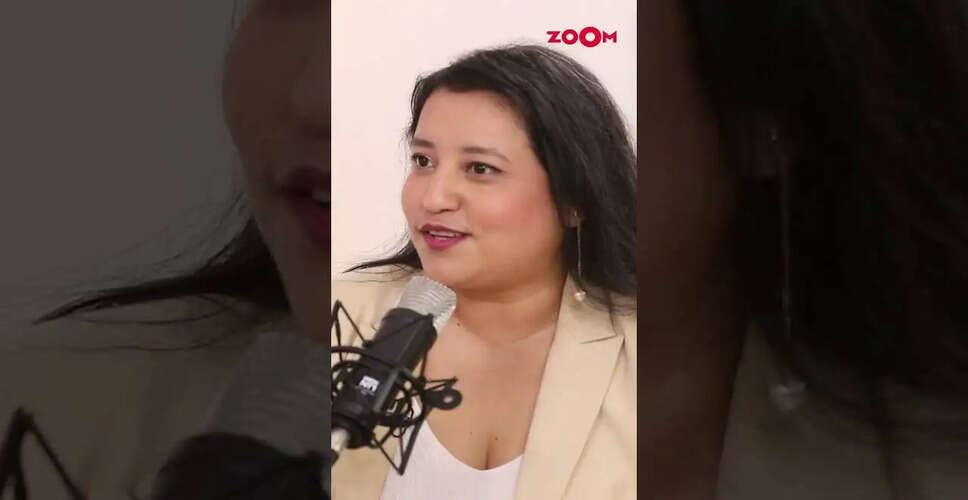
During a recent conversation about beauty and self-acceptance, a striking metaphor was shared: "I have stretch marks, but so does the sky." This thought emerged while taking a morning stroll, where the speaker noticed the sky's distinct patterns, likening them to stretch marks, and discovered beauty in these imperfections. This analogy serves as a compelling reminder of the necessity to embrace flaws, especially in a culture that often pressures individuals, particularly women, to adhere to unrealistic beauty ideals.
The dialogue explored the personal nature of beauty, stressing that every woman should establish her own criteria without the fear of being judged. The speaker emphasized that the choice to undergo cosmetic procedures, including surgery, should not be condemned, as these decisions about one’s appearance are legitimate. The societal inclination to criticize others for their beauty-related choices reveals a deeper hypocrisy, especially when comparing the reactions towards men and women. For example, while men typically face minimal scrutiny for pursuing hair restoration, women often encounter harsh judgment for similar actions, such as skin treatments.
This imbalance underscores the necessity for a more empathetic approach to conversations surrounding beauty and aging. The speaker calls for a culture that empowers individuals to make personal choices about their looks without the fear of societal repercussions. By nurturing an atmosphere of acceptance, society can shift away from narrow definitions of beauty and adopt a broader understanding that honors diversity in all its manifestations.
In conclusion, the takeaway is evident: beauty is not a universal standard. Each individual's path to self-acceptance and their decisions regarding their appearance deserve respect. As this discussion highlights, it is crucial to engage with the topic of beauty through empathy and understanding, granting individuals the liberty to define what beauty signifies for them.