
Ranvir Shorey Critiques CJP's Protest Methods Amid Political Tensions
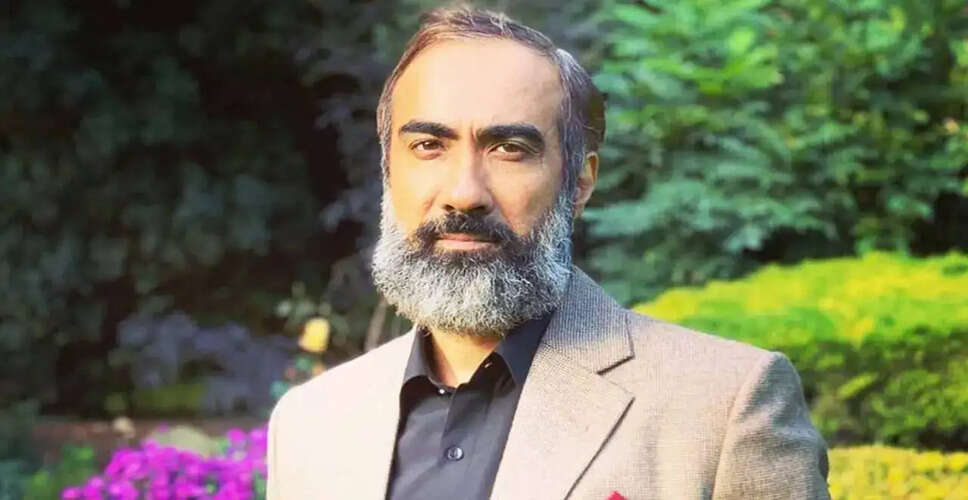

Ranvir Shorey Speaks Out Against CJP's Protest Strategies
Actor Ranvir Shorey has expressed his disapproval of the protest strategies utilized by the Cockroach Janata Party (CJP) following the recent arrest of several party leaders in Delhi. Taking to social media, Shorey argued that political movements should focus on established democratic institutions like the judiciary and Parliament rather than resorting to disruptive street protests.
His remarks were triggered by a video from CJP spokesperson Sourav Das, which called for citizens to engage in public demonstrations. Shorey contended that public protests should be a last resort in political discourse, stressing that the right to dissent should not bypass legislative or judicial avenues. He criticized the frequent disruptions to public infrastructure, labeling them as detrimental to the everyday lives of citizens.
Background of the CJP Protests
The controversy arose from a planned demonstration at Jantar Mantar organized by the CJP, led by founder Abhijeet Dipke. The group aimed to protest against Chief Election Commissioner Gyanesh Kumar, raising concerns about the Special Intensive Revision of electoral rolls. Ahead of their scheduled protest on October 10, 2026, Delhi Police detained Dipke and fellow party members Saurav Das and Ashutosh Ranka at the airport upon their return from Mumbai. Although they were later released, the situation remains tense, with Ranka issuing a 24-hour ultimatum to the police to approve a protest date at Jantar Mantar.
Shorey’s comments faced backlash from some users on social media who questioned the integrity of the judicial system. In a strong response, the actor refuted claims that national institutions—including the Supreme Court, the Prime Minister's Office, and the Election Commission—had been compromised. He argued that such narratives are often employed to undermine established systems in favor of street protests.
As the situation unfolds, security measures in central Delhi have been heightened. Authorities have set up barricades and limited access to certain metro stations in anticipation of a separate protest march towards the Supreme Court organized by the INDIA bloc. These security measures are expected to remain in place until October 12, 2026, as the city navigates ongoing political demonstrations.