
Ramesh Sippy Reflects on Sholay's Enduring Legacy and Unseen Ending
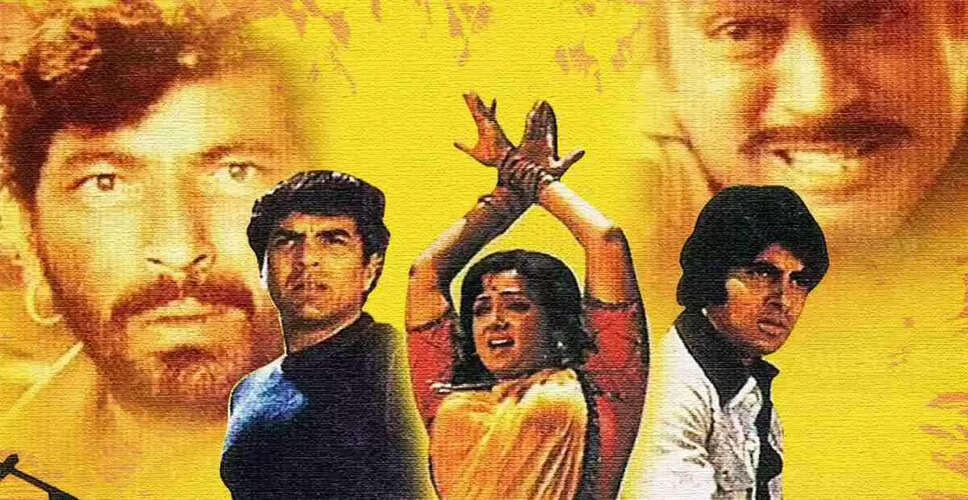
Ramesh Sippy's Cinematic Journey
Ramesh Sippy is renowned for directing several acclaimed films, including Andaz, Seeta Aur Geeta, and notably, Shakti. However, it is the iconic film Sholay that continues to define his legacy.
When asked about the film's lasting appeal, Sippy chuckles, stating, "What can we do? If Sholay is my most recognized work, then so be it. We never anticipated its enduring success. During production, our focus was solely on perfecting the film. We were aware of the strength of the characters crafted by Salim-Javed, but the level of affection for these characters, both major and minor, over decades was beyond our expectations."
The Original Ending of Sholay
In an exclusive conversation with Subhash K Jha, Sippy revealed a lesser-known aspect of Sholay. He mentioned that an alternate ending was filmed, where the character Thakur, portrayed by Sanjeev Kumar, kills Gabbar Singh (played by Amjad Khan) using spiked shoes, as he is unable to use his hands. However, the censor board deemed this conclusion too violent, necessitating a more subdued ending.
Sippy expressed that this change did impact the film's climax, questioning whether Gabbar Singh deserved any mercy after his heinous actions against the Thakur and his family. He believes that restoring the original ending would finally present audiences with his complete vision for the film.