
Prasoon Joshi to Lead New Initiative for the Future of Indian Cinema

A New Era for Indian Cinema
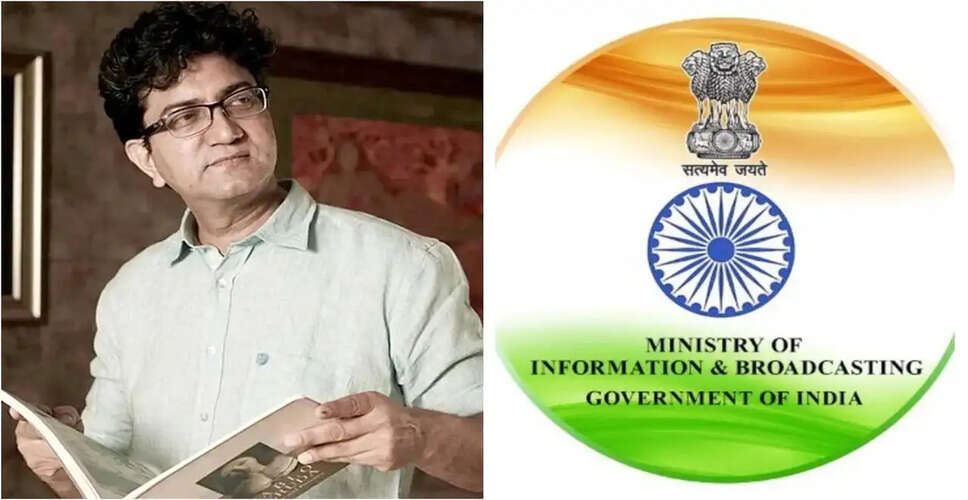
Prasoon Joshi, a celebrated lyricist and screenplay writer, has been appointed to head a significant study group aimed at redefining the landscape of Indian cinema. This announcement was made by the Ministry of Information and Broadcasting (MIB) on June 29, marking a pivotal moment for policy reform in the Indian film industry. The decision followed a review meeting chaired by Union Minister Ashwini Vaishnaw in New Delhi, as part of a larger government effort to enhance the cinema ecosystem, improve infrastructure, and tackle the challenges filmmakers face.
The committee, under Joshi's leadership, will comprise industry experts, professionals, and technology partners who will assess the current hurdles and prospects within Indian cinema. They have been given a three-month timeframe to present their recommendations to the ministry. Joshi, who is also the chairperson of Prasar Bharati and has previously led the Censor Board, brings a wealth of experience to this role.
Key Focus Areas of the Cinema Panel
What will the Cinema Panel focus on?
The panel's primary objective is to formulate a growth strategy for Indian cinema amidst a rapidly changing entertainment landscape. A significant focus will be on enhancing the global competitiveness of Indian films. The committee will explore strategies to help Indian filmmakers connect with wider international audiences and elevate India's profile in the global film arena.
Moreover, the integration of cutting-edge technologies like AI and virtual production in filmmaking will be a critical area of exploration. As technology reshapes the filmmaking process globally, the panel will evaluate how Indian filmmakers can leverage these innovations while ensuring creativity and efficiency remain intact.
Funding and Infrastructure Development
Enhancing funding for production
Another vital topic on the agenda is film financing. The committee will investigate ways to enhance access to institutional funding, develop alternative investment avenues, and address the challenges filmmakers encounter in securing funds for production and distribution. Insights will be gathered from filmmakers, producers, exhibitors, state governments, and other stakeholders to finalize recommendations for a long-term cinema policy framework.
Expanding Cinema Access Across India
New initiatives to increase cinema screens in India
The government has also rolled out Model State Cinema Regulations aimed at increasing the number of cinema screens across the country with the panel's guidance. Since cinema regulation is under the State List, each state has its own rules and approval processes for establishing theaters. These inconsistencies have, according to the ministry, impeded the growth of cinema infrastructure in smaller cities and rural areas.
The new model regulations are designed to streamline the approval process, promote investment in new theaters, and create a more uniform system across states. This initiative is expected to significantly benefit tier-2 and tier-3 cities, where limited screen availability has hampered the growth of the theatrical market and access to audiences.
The government's recent initiatives come at a time when the Indian film industry is facing both opportunities and challenges. While Indian films have garnered international recognition, filmmakers still grapple with issues related to funding, technology integration, and exhibition infrastructure.