
Paul Thomas Anderson Finally Recognized with Best Director Oscar for One Battle After Another
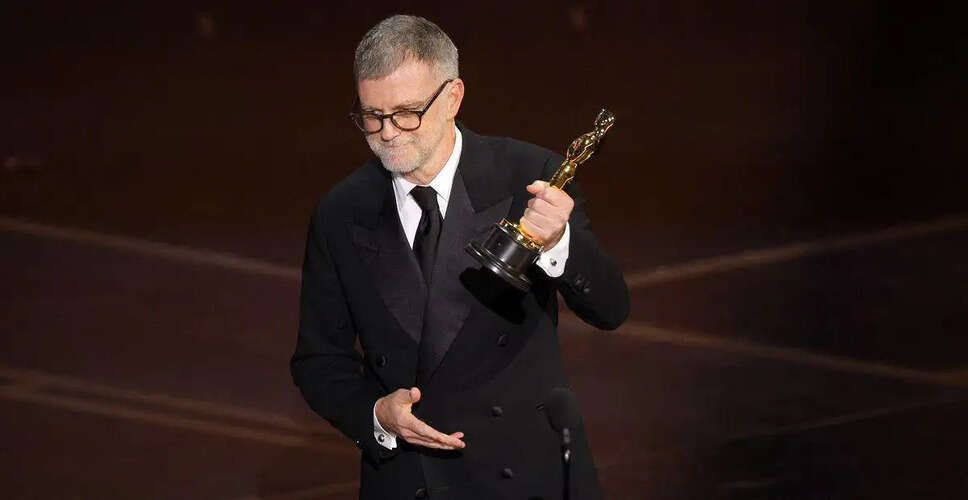
Recognition at Last for Anderson
The Academy of Motion Picture Arts and Sciences, responsible for the annual Oscars, has a history of overlooking exceptional filmmakers and remarkable films. Martin Scorsese, for instance, has only secured one Oscar for The Departed (2006), which is a more mainstream offering and a remake of the acclaimed Hong Kong film Infernal Affairs.
Another notable director, Paul Thomas Anderson, has faced similar challenges at the Oscars. Each time it seemed he was on the verge of winning, he was overshadowed by lesser films.
Anderson has previously received three nominations for Best Director but lost out on There Will Be Blood to the Coen brothers’ No Country For Old Men. He was also not nominated for Boogie Nights or The Master.
However, this past Sunday marked a turning point as Anderson's directorial talent was finally recognized. The 55-year-old filmmaker received the Best Directing Oscar for his acclaimed film One Battle After Another, and he also took home the Oscar for Adapted Screenplay.
What previously hindered Anderson—his films being more artistic than commercially driven—has now worked in his favor. Historically, the Oscars have favored box office hits over artistic merit, often awarding Best Picture to blockbuster films and recognizing directors who cater to studio interests.
Recent trends, however, indicate a shift in this approach. While some older voters may not fully embrace this change, it aligns more closely with the preferences of international film festivals, where directors like Anderson receive significant acclaim.
Anderson's films are meticulously crafted explorations of human nature, featuring a diverse array of characters including rebels, leaders, romantics, and cynics. His self-taught expertise in cinematography, editing, and music enhances the overall viewing experience.
The seemingly straightforward One Battle After Another is rich with stylistic elements. It effectively conveys the urgency of its characters through various movements, and its climactic chase scene on a winding highway surpasses many high-budget action films.
Anderson has a knack for drawing out exceptional performances from actors. In One Battle After Another, Teyana Taylor leaves a lasting impression despite her limited screen time of just 40 minutes in a 162-minute film, first through her physical presence and later through her voice.
Leonardo DiCaprio delivers a career-best performance, while Sean Penn and Benicio del Toro are unforgettable in their roles. Under Anderson's guidance, these actors consistently bring their best to the screen, exemplifying what great directors achieve.