
Mirzapur's Cinematic Journey: A Box Office Triumph and Its Implications for OTT Adaptations
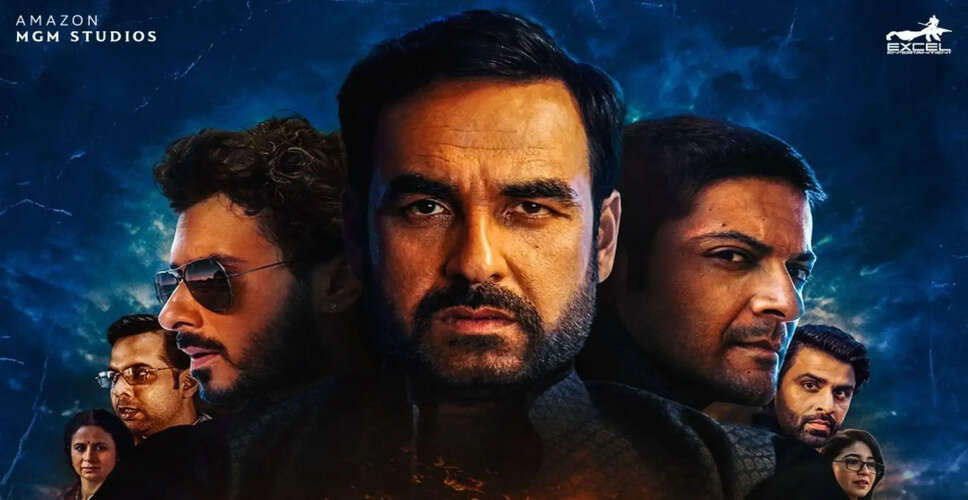

Mirzapur Film Concludes Its Theatrical Run
The film adaptation of the acclaimed crime series Mirzapur has successfully wrapped up its time in theaters, marking a pivotal achievement for the franchise. Featuring a talented cast including Ali Fazal, Pankaj Tripathi, Divyenndu, and Ravi Kishan, the movie has garnered around Rs 223 crore at the Indian box office. This impressive performance highlights a significant evolution for the franchise, which transitioned from a digital series to a theatrical release under the direction of Gurmmeet Singh.
After a consistent four-week run in cinemas, the film earned Rs 6 crore in its final tracked week, resulting in a total of Rs 222.25 crore nett over 28 days. Industry experts predict that the film will likely add an additional Rs 50 lakh, bringing its final tally to approximately Rs 222.75 crore. These numbers position the film among the highest-grossing releases of the year, second only to Dhurandhar: The Revenge and Hanuman Ansh.
Significance for the Entertainment Industry and Future Prospects
Industry Impact and Future of OTT Adaptations
The financial triumph of the Mirzapur film is being interpreted by industry analysts as a promising sign for the entertainment sector. As the market increasingly gravitates towards established intellectual properties, the success of a digital-first series maintaining a multi-week theatrical presence offers a model for future adaptations. This trend is particularly crucial in an environment where the industry is striving to balance the legacy of established stars with the rise of new, franchise-oriented content.
By proving that audiences are receptive to familiar digital stories in a cinema environment, the film has sparked conversations about the potential for other OTT properties to explore similar cinematic ventures. While the figures mentioned are based on trade estimates and market evaluations, the overall success of the film clearly indicates its commercial viability. As its theatrical run concludes, this project exemplifies the changing dynamics between streaming services and traditional cinema.