
Michael Jackson's Timeless Message of Hope: A Reflection on Resilience
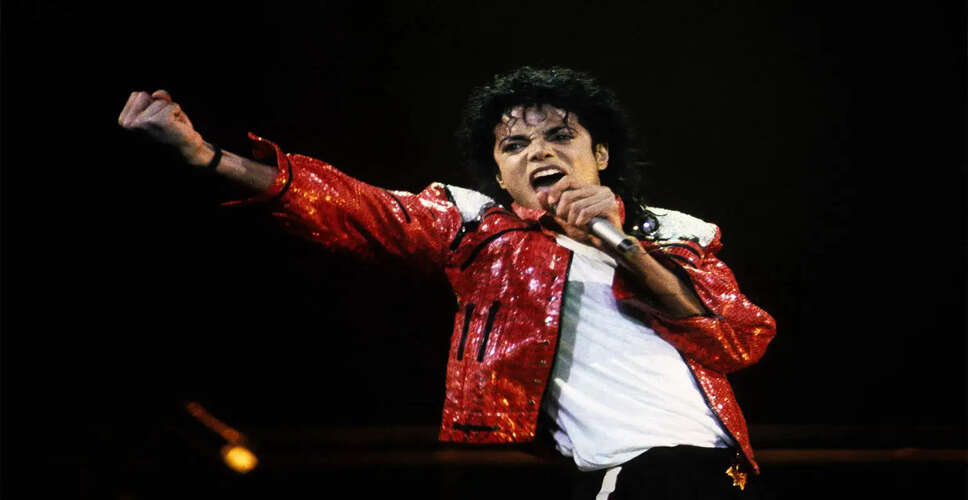

A Message That Resonates
Years after his memorable speech at the Oxford Union, Michael Jackson's insights on hope and resilience continue to inspire fans and cultural commentators. During his talk on March 6, 2001, the iconic artist urged his audience to uphold their humanity and optimism, even amidst widespread negativity and global challenges.
At the heart of Jackson's address was the importance of choosing kindness and maintaining faith during tough times. He famously expressed, “In a world filled with hate, we must still dare to hope. In a world filled with anger, we must still dare to comfort. In a world filled with despair, we must still dare to dream. And in a world filled with distrust, we must still dare to believe.”
The Journey of a Cultural Legend
Michael Jackson's career was characterized by extraordinary commercial success and global impact. Born in Gary, Indiana, in 1958, he began his entertainment journey as a child star in The Jackson 5. He quickly evolved from a percussionist to the charismatic lead singer, propelling the group to the forefront of the music scene in the 1960s and 1970s.
Transitioning to a solo artist, Jackson reached unprecedented cultural heights, earning the title of the “King of Pop.” His landmark album *Thriller* remains one of the highest-selling albums ever, complemented by a record-setting 13 solo number-one hits. His influence transcended music, establishing him as a global icon known for his electrifying performances and significant contributions to modern entertainment.
A Legacy of Strength and Courage
Jackson's 2001 speech provided a rare insight into his personal beliefs. By recognizing the existence of hate, anger, and despair, he emphasized that maintaining integrity and the ability to dream is a courageous act. His message highlighted that while external circumstances may be challenging, an individual's internal response—choosing to remain compassionate—is a vital strategy for overcoming life's obstacles.
His life was marked by intense public scrutiny alongside remarkable achievements. After his untimely death on June 25, 2009, at the age of 50, investigations revealed that acute propofol intoxication, combined with sedatives, led to his passing. Today, discussions about his legacy often focus on his artistic impact and the lasting relevance of his messages, which continue to resonate as calls for empathy and resilience in a complex world.