
Marvel's Strategy: Introducing Heroes Through Established Timelines

Marvel's Unique Approach to Character Introductions
Marvel has successfully utilized a storytelling technique that allows for the introduction of new heroes within the narratives of existing characters. This method has been evident with figures like Spider-Man, Black Widow, and Hawkeye, among others. The Marvel Cinematic Universe (MCU) has crafted a compelling formula: presenting a character in another hero's storyline before launching them into their own film. This approach enables audiences to connect emotionally with the character, creating anticipation for their standalone adventures. The latest addition to this strategy is Sadie Sink, who is rumored to play a pivotal role in Spider-Man: Brand New Day, potentially as a character like Jean Grey, although Marvel has yet to confirm her involvement.
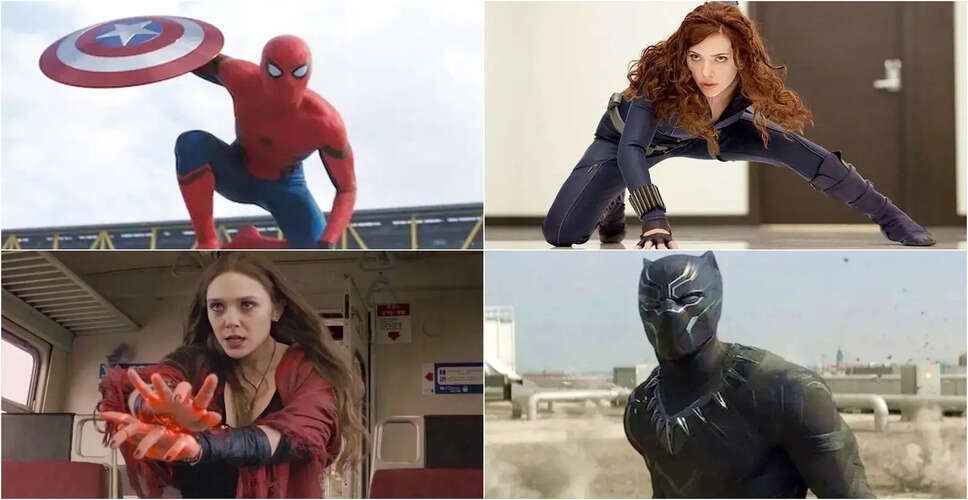
This strategy is not merely coincidental; it reflects Marvel's meticulous planning. For instance, Scarlett Johansson's Natasha Romanoff was first introduced in Iron Man 2 as Tony Stark's legal assistant, Natalie Rushman. Her initial scene showcased her combat skills, setting the stage for her eventual role as a core member of the Avengers. Similarly, Jeremy Renner's Hawkeye made a brief appearance in Thor, linking the Asgardian lore to the broader MCU.
The Expansion of the MCU: Key Introductions
Black Widow: The Beginning of a New Era
In Iron Man 2, Marvel took a significant step by introducing Natasha Romanoff, a character who would later become integral to the Avengers. Initially portrayed as a covert S.H.I.E.L.D. agent, her character evolved, and by the time she received her own film, audiences were already familiar with her backstory and connections within the MCU.
Hawkeye: A Brief Yet Impactful Introduction
Clint Barton, known as Hawkeye, was introduced in Thor, albeit briefly. His appearance helped to weave Asgardian mythology into the larger MCU narrative. Although his screen time was limited, it marked the beginning of Marvel's strategy to create a cohesive superhero universe.
Wanda Maximoff: From Antagonist to Hero
Wanda Maximoff, portrayed by Elizabeth Olsen, was first introduced as an antagonist in Avengers: Age of Ultron. Her character's journey from a vengeful survivor to a complex hero unfolded across various MCU films, allowing audiences to witness her growth and struggles.
Black Panther and Spider-Man: Major Introductions in Civil War
Captain America: Civil War was pivotal for the MCU, introducing both Black Panther and Spider-Man. Chadwick Boseman's T'Challa made his debut, setting the stage for his solo film, while Tom Holland's Spider-Man was presented without a traditional origin story, allowing audiences to focus on his character dynamics and humor.
The Rationale Behind Marvel's Character Introductions
Why Introduce New Heroes in Established Timelines?
Marvel's strategy addresses a key narrative challenge: audiences are more likely to connect with characters they are already familiar with. By introducing characters in existing films, Marvel builds anticipation and emotional investment, allowing for a smoother transition into their standalone stories.
Balancing Risk and Creativity
This approach not only mitigates risk from a business perspective but also fosters organic character development. However, it can lead to situations where characters seem to exist solely to set up future projects, potentially detracting from the current narrative.
Sadie Sink's Potential Role in the MCU
If Sadie Sink is indeed cast as Jean Grey in Spider-Man: Brand New Day, it would align with Marvel's established pattern of gradually introducing significant characters. This strategy not only enhances audience engagement but also sets the stage for future storylines within the MCU.