
Keanu Reeves' Letter Influences Sentencing in $11 Million Netflix Fraud Case
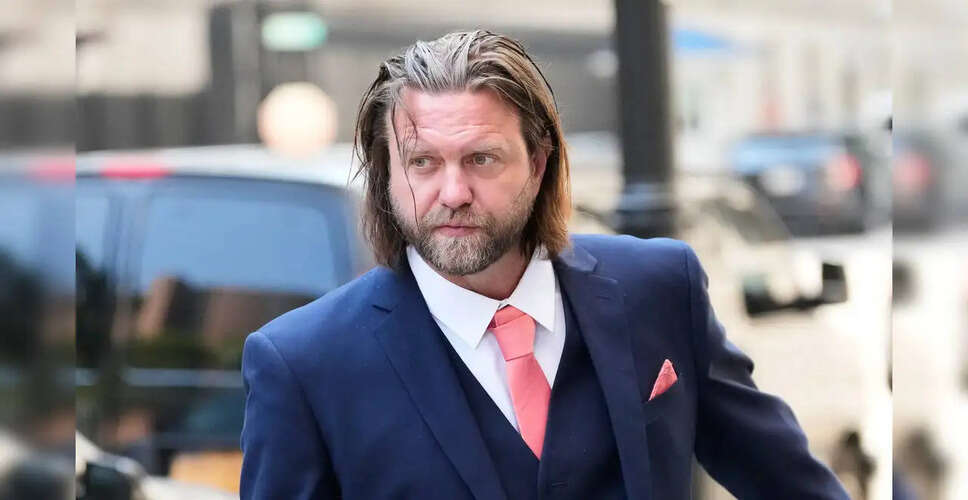

Keanu Reeves' Impact on Carl Rinsch's Sentencing
A letter from renowned actor Keanu Reeves played a pivotal role in reducing the prison sentence of director Carl Rinsch, who was involved in a fraud case linked to Netflix. Rinsch, known for his work on 47 Ronin, received a 30-month federal prison sentence after being convicted of defrauding the streaming giant of nearly $11 million during the production of his unfinished sci-fi series, White Horse. The presiding judge, Jed Rakoff, decided on a sentence that was significantly less than what prosecutors had requested, taking into account character references and evidence of Rinsch's mental health issues prior to the fraudulent acts.
Details of the $11 Million Fraud Case
In December, Rinsch was found guilty of wire fraud and money laundering after prosecutors proved that he misused funds allocated for White Horse, also known as Conquest. Instead of completing the series, he allegedly funneled a large portion of the money into cryptocurrency investments and extravagant purchases, including luxury cars registered under various names. Despite the substantial financial investment, the streaming service never received the finished product. Prosecutors argued that Rinsch showed a blatant disregard for the law, especially considering his access to wealth and influential contacts who could have aided the project. They also pointed out that the show's failure adversely affected the careers of many actors and crew members who depended on its success.
Mental Health Considerations in Sentencing
During the sentencing, Rinsch's defense team presented evidence regarding his mental health, which had been omitted from the initial trial. His attorney revealed that Rinsch was undergoing medical treatment during the show's production but had not received adequate care at that time. A letter from Reeves described an intervention attempt in 2019 that Rinsch rejected, suggesting that his mental health may have worsened due to improper medication, impacting both his personal life and his ability to finish the series. The judge noted that some of Rinsch's spending patterns indicated a manic episode rather than simple greed, although he did not find evidence of severe mental illness during the trial. Rakoff emphasized that lengthy prison terms do not necessarily serve white-collar criminals better than shorter ones, advocating for punishment that considers the individual circumstances rather than just the crime.
Consequences Beyond Prison Time
Alongside his prison sentence, Rinsch has been mandated to repay approximately $11 million in restitution, although the court acknowledged that he might never be able to repay the full amount. Additionally, he is required to participate in an outpatient mental health program and refrain from using narcotics. Rinsch has until September 1 to report to prison, giving him a 60-day window before his incarceration begins.