
Jackie Chan: The Unique Action Hero Who Redefined Martial Arts Cinema
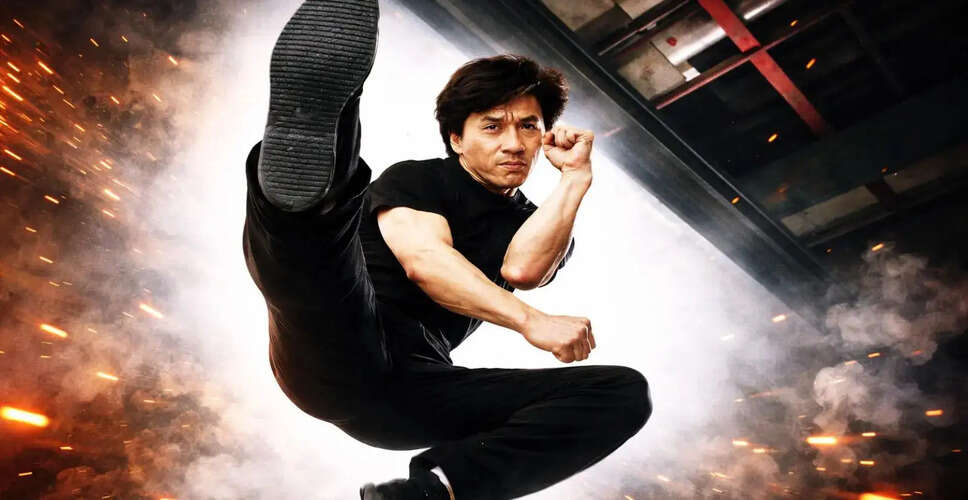
The Legacy of Bruce Lee and Jackie Chan's Unique Path
Following the passing of Bruce Lee in 1973, an unusual trend emerged in Hong Kong, Taiwan, and South Korea. Filmmakers began casting actors who resembled Bruce Lee to create imitation martial arts films, leading to the emergence of a subgenre known as Bruceploitation. However, one actor chose to diverge from this trend. Jackie Chan famously stated, "I never wanted to be the next Bruce Lee. I just wanted to be the first Jackie Chan." This declaration, made on his birthday (April 7), highlights how Lee was not merely a star but a cultural icon. His performance in films like Enter the Dragon transformed the notions of masculinity, power, and global fame. During the Bruceploitation era, Chan, then a young stuntman, opted not to follow that path, ultimately reinventing the action hero concept.
Rejecting the Bruce Lee Archetype
The Anti-Bruce Lee
At the start of his career, Jackie Chan faced pressure from the industry to emulate Bruce Lee. Early roles in films like Lo Wei’s 1976 New Fist of Fury mirrored Lee’s serious and stoic demeanor. However, this approach did not resonate. Chan possessed both talent and charisma, but he lacked the desire to imitate. While Bruce Lee embodied composure and lethal prowess, Chan embraced expressiveness, showcasing his vulnerabilities. His performances included moments of injury, fear, and humor, which became his greatest asset.
Innovating the Martial Arts Genre
Jackie Chan’s Reinvention Of The Martial Arts Hero
With films like Snake in the Eagle’s Shadow and Drunken Master in 1978, Jackie Chan established his unique style, blending martial arts with comedy. The Rush Hour star drew inspiration from silent film icons like Charlie Chaplin and Buster Keaton, creating a character that was both physically adept and emotionally relatable, a stark contrast to the Bruce Lee archetype. Chan’s departure from traditional storytelling in martial arts films, which often revolved around stoicism and revenge, introduced elements of chaos, improvisation, and humor. His characters were not invincible heroes; instead, they were underdogs who triumphed through creativity and determination.
The Everyman Hero
Jackie Chan’s Everyman Appeal
Chan's relatability is what transformed him into an everyman hero. His characters often found themselves at a disadvantage, outnumbered and unprepared, yet they persevered. This quality made his appeal universal, allowing audiences to see themselves in him. Chan famously performed his own stunts, often at great personal risk, starting with The Young Master in 1980 and continuing with elaborate sequences in Police Story in 1985. His commitment to authenticity, whether sliding down a skyscraper or hanging from a clock tower, added a level of realism that CGI-heavy films struggle to achieve. His vulnerability made him more relatable, enhancing the appeal of his films.
Humor as a Core Element
Comedy As A Weapon
Jackie Chan's integration of humor was another key factor in his success. For him, comedy was not merely an addition; it was essential to the action. His fight scenes became intricate choreographies filled with rhythm and surprise, utilizing everyday objects as both props and comedic elements. This approach marked a significant departure from Bruce Lee’s philosophy-driven combat style. While Lee fought with precision, Chan embraced chaos and creativity. With films like the 1998 Rush Hour, co-starring Chris Tucker, Chan introduced this formula to American and global audiences.
Bridging Cultures
Jackie Chan And The Bridging Of East And West
Jackie Chan's ascent coincided with a pivotal moment in global cinema, characterized by increasing collaboration between Hong Kong and Hollywood. While Bruce Lee opened the door, Chan brought a fresh energy. Movies like Shanghai Noon and the Rush Hour series allowed him to maintain his comedic identity while appealing to a broader audience. Chan became a cultural bridge, merging his Hong Kong-style action with a softer, humorous take on the action hero.
Authenticity Over Imitation
Refusal To Imitate Bruce Lee
Jackie Chan’s decision to avoid imitating Bruce Lee was not just a career choice; it reflected his understanding of the importance of authenticity in film. One could argue that the evolution of superhero cinema owes a debt to Chan’s approach. Characters who joke mid-battle and improvise echo the template he established decades ago. Gone were the stoic, battle-hardened heroes; Chan introduced a more relatable and human character.
A New Kind of Hero
A Different Kind of Hero And His Impact
In a cinematic landscape obsessed with perfection, Jackie Chan emerged as an anomaly, demonstrating that imperfection can be powerful. He did not aim to replace Bruce Lee or surpass him; instead, he forged a parallel legacy rooted in humor, resilience, and authenticity. While Bruce Lee redefined strength, Jackie Chan redefined endurance and the ability to find strength in vulnerability. This is likely why his legacy endures. In Jackie Chan, audiences found not just a hero but a reflection of themselves. As cinema evolves, the hero archetype will continue to change, but Jackie Chan’s influence will remain a fundamental part of storytelling. He proved that action could be humorous, that heroes could be flawed, and that laughter could triumph.