
India vs England: Anticipating Weather Challenges in the First Test at Headingley
Exciting Test Series Kicks Off
India is set to engage in a five-match Test series against England, with the inaugural match commencing on June 20 at Headingley. Following the retirements of Rohit Sharma and Virat Kohli, Shubman Gill has stepped up as the new captain, supported by Rishabh Pant as vice-captain. Both teams are eager for victory as this series marks the beginning of the new World Test Championship cycle for 2025-27. As the highly anticipated first match approaches, weather conditions are expected to play a significant role.
Weather Forecast: Rain Threatens the First Test
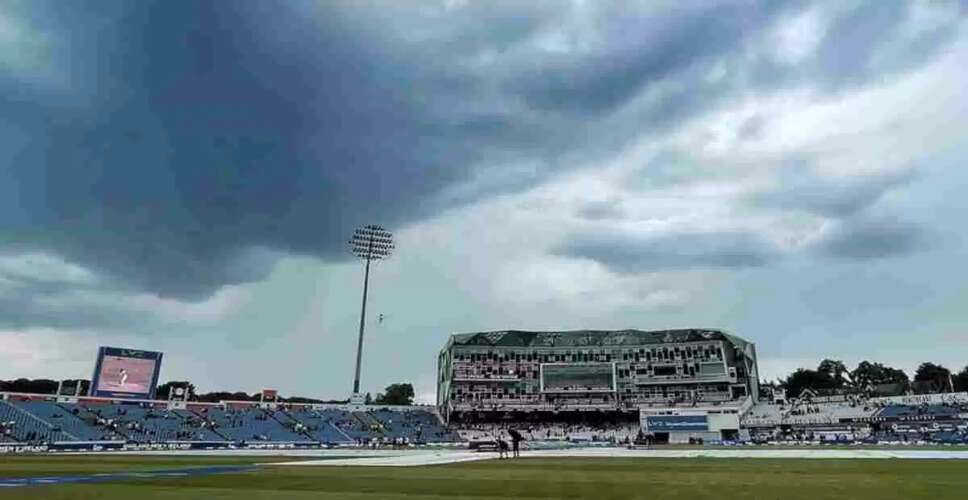
According to weather reports, while the opening and closing days of the Test may remain mostly dry, the weekend could bring challenges. Days 2 and 3 are likely to see afternoon showers, and slight rain is also predicted for the evening of Day 4. Persistent cloud cover is expected throughout the match, which could influence ball movement and create favorable conditions for fast bowlers.
Day 1: A Promising Start?
The first day is anticipated to offer a rare glimpse of sunshine in Leeds, allowing both teams to start on a stable note. However, with a significant portion of the forecast indicating cloudiness, swing and seam movement will be crucial. Bowlers who can exploit early movement may thrive, while batters will need to exhibit resilience and refined techniques to handle the relentless bowling.
Impact of Rain on Headingley’s Pitch
Historically, Headingley has provided good pace and bounce, especially under cloudy conditions with moisture. Rain leading up to and during the match tends to create a fresh pitch that favors seam bowlers, particularly in the first innings. Additionally, a wet outfield slows down the ball, reducing boundary chances and challenging batters further.
Persistent rain can also prevent the pitch from drying out, which may hinder its deterioration by Days 4 or 5, thus limiting the effectiveness of spinners later in the match. If rain continues to interrupt play, batting second could become increasingly difficult in consistently overcast conditions.