
Impact of India's Online Gaming Bill on Cricket and Endorsements
Challenges for the Online Gaming Sector
The online gaming sector in India is currently facing significant challenges following the recent enactment of the Online Gaming Bill. On August 21, the Promotion and Regulation of Online Gaming Bill 2025 was approved by the Rajya Sabha, instituting a comprehensive ban on online gaming, regardless of whether it involves skill or chance.
This legislation, introduced by Union Minister Ashwini Vaishnaw, received overwhelming support in the Lok Sabha before being ratified by the Rajya Sabha, making the ban effective immediately. The primary goal of the Online Gaming Bill is to mitigate issues related to addiction, financial losses, and their adverse effects on the youth.
Effects on Cricketers and Fantasy Gaming Platforms
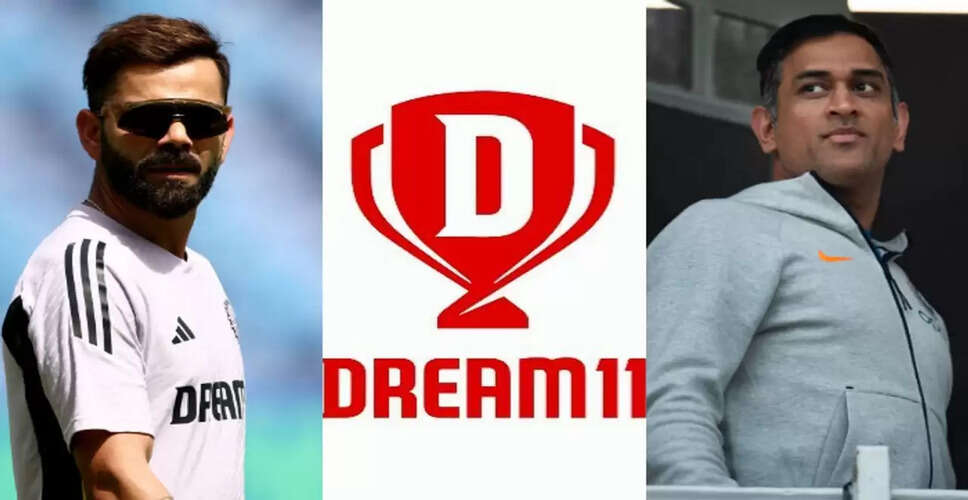
Prominent fantasy gaming platforms such as Dream 11, Winzo, and MyCircle11 will now need to adhere to new regulations, which will significantly affect their operations, marketing strategies, and collaborations with high-profile individuals, including renowned Indian cricketers.
Cricketers like Virat Kohli, MS Dhoni, and Rohit Sharma have been instrumental in promoting these platforms through marketing campaigns and endorsements. However, the new legislation may sever their legal ties to these platforms, potentially impacting their brand partnerships and income from endorsements.
According to reports, Kohli earns between 10-12 crore annually, while Dhoni and Rohit generate around 6-7 crore each from Dream 11 and Winzo. The popularity of these athletes has been crucial for attracting users and driving engagement on these platforms.
Financial Implications for Indian Cricket
The repercussions of the online gaming ban are expected to resonate throughout India's cricketing landscape, with estimates suggesting that star players could collectively lose around 200 crore in endorsement income due to the restrictions imposed by the Online Gaming Bill.
Following the bill's passage, the Board of Control for Cricket in India (BCCI) has opted to terminate its partnership with Dream 11, which had been the title sponsor for Team India since 2023. Dream 11 had entered into a three-year contract worth INR 358 crore, replacing Byju's as the sponsor.
As a jersey sponsor, Dream 11 contributed INR 119 crore annually to the BCCI, and the board also benefited from revenue generated through marketing initiatives associated with the platform.
BCCI's Search for New Sponsorship
With the recent changes, the BCCI is now actively seeking a new jersey sponsorship deal ahead of the Asia Cup 2025 to bridge the financial gap left by Dream 11's exit and ensure continued commercial support for the team.
The online gaming sector has been a vital source of sponsorship revenue for Indian cricket, contributing significantly to fan engagement and promotional opportunities that have supported both the BCCI and individual players.
Long-Term Effects on Endorsements
Dream 11 and MyCircle11 have played a crucial role in the cricket ecosystem, contributing approximately 1000 crore in sponsorship revenue over five years. Their marketing expenditures have been substantial, with reports indicating that they collectively spent around INR 5000 crore annually on promotions.
The brand value of Indian cricketers is anticipated to decline as the real money gaming sector has been a significant contributor to their endorsement income. Experts predict that endorsements for cricketers could decrease by 20-25%, translating to a potential loss of INR 8,000-10,000 crore.
In summary, the Online Gaming Ban poses serious financial challenges for both the BCCI and Indian cricketers, as the termination of partnerships with major fantasy gaming platforms will lead to a substantial reduction in sponsorship and marketing revenue.