
How Tom Holland Redefined Spider-Man's Origin Story in the MCU
Tom Holland's portrayal of Spider-Man in the Marvel Cinematic Universe has significantly altered the character's origin story. Unlike previous adaptations that heavily featured Uncle Ben's tragic death, Holland's Spider-Man is characterized by a lighter, more optimistic tone. This shift in narrative focus allows for a gradual development of Peter Parker's sense of responsibility, particularly through his relationship with Aunt May. As the story unfolds, the emotional stakes rise, culminating in pivotal moments that redefine what it means to be Spider-Man. Explore how these changes have shaped the beloved character in the MCU.
| May 6, 2026, 22:17 IST
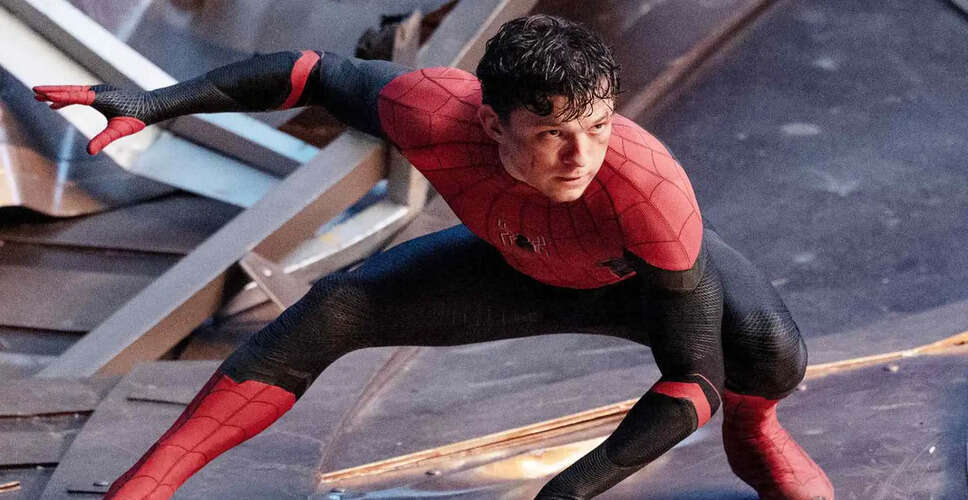

The Evolution of Spider-Man's Narrative
Few superheroes possess an origin narrative as memorable and emotionally impactful as Spider-Man. For many years, Peter Parker's story has been intertwined with the heartbreaking loss of Uncle Ben, a pivotal event that shapes his sense of duty. However, when Tom Holland took on the role within the Marvel Cinematic Universe, this crucial plot twist was notably absent. Instead of mirroring the narratives seen in earlier films, the creators opted to reinterpret Spider-Man’s motivations. What prompted this change, and how did Tom Holland influence this significant shift? Let's explore.
Tom Holland's Impact on Spider-Man's Backstory
Tom Holland's Casting Changed Spider-Man's Origin Story
According to Joe Russo, a prominent figure in the MCU's creative team, the choice to modify Spider-Man’s classic origin was significantly shaped by Tom Holland’s unique acting style and charisma. In previous portrayals, especially by Tobey Maguire and Andrew Garfield, Peter Parker's remorse over Uncle Ben’s death was a core aspect of his character. Traditionally, the narrative depicts Peter acquiring his powers and choosing not to intervene in a crime, only to later learn that the perpetrator is responsible for Uncle Ben’s demise. This guilt serves as the catalyst for his transformation into Spider-Man, encapsulating the famous principle: with great power comes great responsibility. However, Russo explained to CBR that applying this same emotional burden to Holland’s portrayal would have altered the character fundamentally. “If he blamed himself for his Uncle Ben’s death, I think he becomes a very different character,” Russo remarked. The filmmakers believed that Holland’s Spider-Man is more effective as a lighter, more hopeful character, particularly in his formative years, rather than being overshadowed by profound personal guilt from the start.The Role of Uncle Ben in the MCU