
What Lies Beneath: The Dark Fairy Tale of 'Wicker' Unveiled

A Tale of Isolation and Unconventional Love
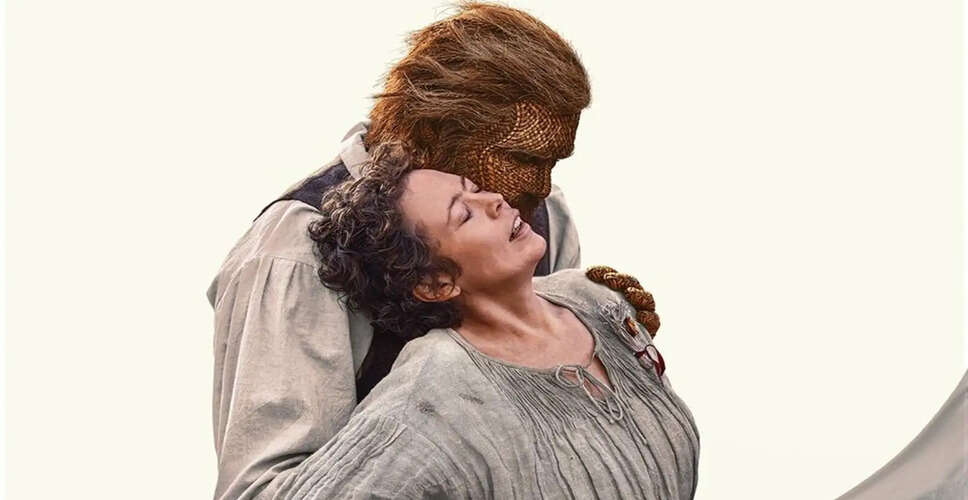
The film 'Wicker' is a haunting fairy tale inspired by Ursula Wills-Jones’s short story, 'The Wicker Husband.' It explores profound themes of loneliness and societal rejection. The narrative centers on a solitary Fisherwoman, played by Olivia Colman, who longs for companionship and decides to create a husband from woven willow. This unique creation, portrayed by Alexander Skarsgård, is animated by a talented Basket Weaver, played by Peter Dinklage, leading to an unusual romance that quickly attracts the ire of the local townsfolk.
The villagers, known for their intolerance towards anyone who strays from the norm, soon turn against the couple. A significant conflict arises when the Tailor’s Wife accuses the Wicker Husband of infidelity, presenting a Wicker Baby as proof of betrayal. This accusation plunges the Fisherwoman into despair, culminating in a dramatic scene where her husband catches fire and escapes into the woods, seemingly lost to her forever.
Revelations and Revenge
Uncovering the Truth and Seeking Retribution
The story takes a turn as the Fisherwoman learns the truth about the village's deceit. The Basket Weaver discloses that he managed to repair the Wicker Husband, who survived the flames. He also clarifies that Wicker Husbands cannot father Wicker Babies, debunking the infidelity claims as a malicious lie aimed at separating the couple. The abandoned baby, instead of symbolizing betrayal, becomes a child the Fisherwoman decides to adopt, forming a new family.
The film's climax shifts towards vengeance against the judgmental villagers. The Basket Weaver devises a plan to punish the community for their greed and cruelty. He offers a Wicker Wife to the villager who presents the most valuable gift, only to reveal that the prize is a mere pile of sharp blackthorn twigs. This clever ruse leaves the villagers, especially the Butcher, stripped of their prized possessions, serving as a fitting consequence for their collective malice.
A Triumphant Conclusion
In a departure from the original story's tone, the film concludes on a more optimistic note. While the short story is recognized for its somber ending, the film wraps up with the Fisherwoman, her Wicker Husband, the Basket Weaver, and the child leaving the village in a cart filled with the community's stolen riches. Instead of trying to reform the hostile town, they choose to abandon it, seeking a fresh start and a sense of belonging elsewhere. This ending serves as a poignant commentary on community dynamics, illustrating how the outsiders reclaim their agency while leaving their detractors to face the repercussions of their own greed.