
The Timeless Legacy of Charlie Chaplin: A Journey Through Laughter and Resilience
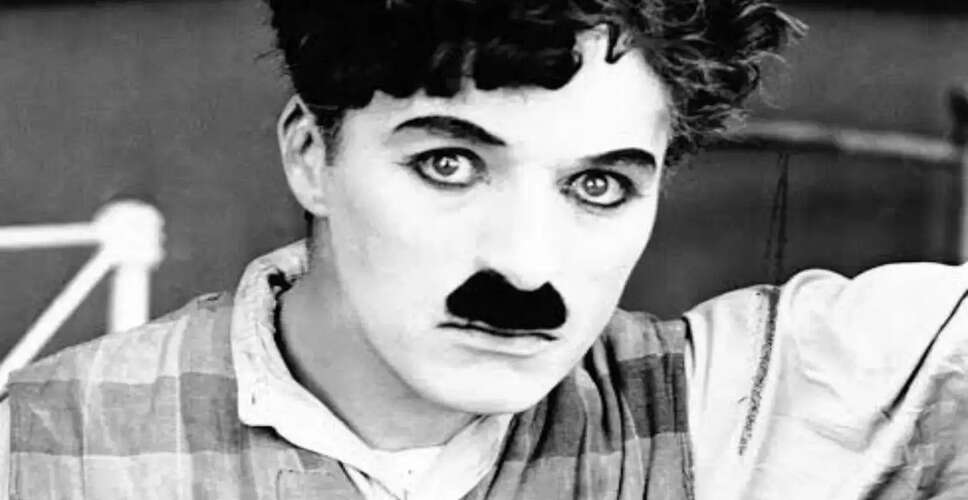

Charlie Chaplin: A Symbol of Creativity and Emotion
Charlie Chaplin stands as a monumental figure in the world of art and entertainment, embodying a timeless symbol of creativity and emotion. His groundbreaking contributions to cinema often delivered deep insights into the human condition, striking a chord with audiences globally. Chaplin's remarkable talent for intertwining humor with significant social commentary enabled him to portray the struggles and victories of the human spirit, securing his place as a cherished icon in film history. One of his memorable quotes highlights the fleeting nature of life, underscoring the necessity of resilience amidst challenges.
Chaplin famously stated, “Nothing is permanent in this wicked world, not even our troubles,” a poignant reminder of life's transience. This quote, extracted from his 1947 dark comedy 'Monsieur Verdoux,' encapsulates life's unpredictability, suggesting that even in the bleakest moments, hope persists as situations are destined to evolve. The core of this message emphasizes that patience and resilience are vital for overcoming life's hurdles, reinforcing the notion that every setback can lead to renewal and every conclusion can usher in new beginnings.
Born on April 16, 1889, in London, England, Chaplin's formative years were fraught with difficulties. Following his parents' separation, he was raised by his mother, who later struggled with mental health issues. At the tender age of five, Chaplin took to the stage to help support his family. His foray into entertainment began in earnest in 1897 when he joined the Eight Lancashire Lads, a clog-dancing group. Over time, he refined his skills through various performances, ultimately creating the iconic character of the 'Little Tramp,' which became his hallmark role.
As a director and actor, Chaplin was behind numerous groundbreaking films, such as 'The Tramp,' 'City Lights,' and 'The Great Dictator.' His works frequently featured sharp political satire, mirroring his perspectives on societal issues and the human experience. Despite encountering significant obstacles, including scrutiny from the U.S. government and personal controversies, Chaplin's legacy as a filmmaker and social commentator remains unmatched. His unique ability to merge comedy with serious themes has left a lasting impact on the film industry.
Chaplin's personal life mirrored the complexity of his artistic pursuits. He faced legal challenges and public criticism, particularly concerning his relationships and political views. Nevertheless, he found enduring love with Oona O'Neill, marrying her when she was just 18 and he was 54. Together, they welcomed eight children and remained devoted to one another until his passing on December 25, 1977, at the age of 88. Today, Chaplin's legacy continues to inspire countless generations, serving as a testament to the power of art to evoke emotion and stimulate thought.