
Street Fighter: A Stylish Tribute to the Iconic Video Game Franchise

A New Era for Video Game Adaptations
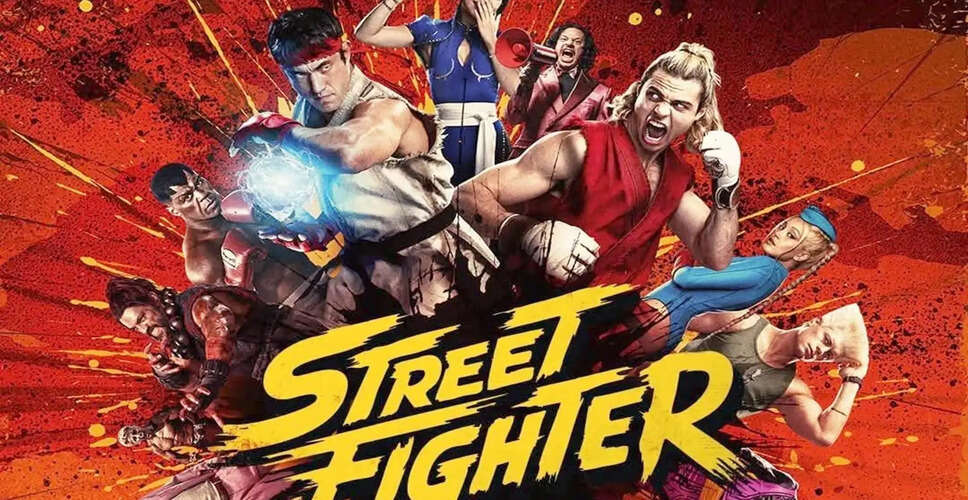
The year 2026 marks a pivotal moment for adaptations of video games, highlighted by the release of the latest Street Fighter film. Directed by Kitao Sakurai, this movie boldly embraces its arcade heritage, focusing on exhilarating action while honoring the original game. Although it may not delve deeply into emotional narratives like some of its peers, it excels as pure entertainment, capturing the essence of the beloved fighting game.
Set in 1993, the plot unfolds years after Ryu's triumph in the first World Warrior Tournament. The storyline reveals that Ryu and Ken have drifted apart following their master's death. While Ken enjoys fame as a show fighter, Ryu has chosen a quieter life away from the limelight. Their world is turned upside down when the ambitious M. Bison initiates a second tournament, compelling the estranged friends to confront their pasts and engage in fierce battles against a global lineup of fighters.
A Playful Take on Arcade Action
A Faithful Translation of Arcade Action
This film's standout feature is its lighthearted approach, fully aware of the absurdity of its premise—men battling in the streets and unleashing fireballs. It embraces this with a playful spirit, filled with Easter eggs and nods that will delight longtime fans, including the iconic Hadouken and signature moves. The film pays tribute to the franchise's legacy while presenting a fresh visual style, even incorporating 2D animation for pivotal flashback scenes.
The cast brings a vibrant energy to the film. David Dastmalchian shines as M. Bison, portraying the character with a unique, eerie intensity that sets him apart from previous versions. Noah Centineo captures Ken's mix of bravado and hidden insecurities effectively. The supporting actors, including Jason Momoa and Cody Rhodes, enhance the film's playful tone, while Vidyut Jammwal makes a memorable Hollywood debut as Dhalsim, delivering a grounded performance that stands out despite limited screen time.
Striking a Balance Between Style and Substance
Balancing Style and Substance
While the screenplay is straightforward, it serves its purpose by providing a solid foundation for the film's stunning visuals and choreography. Callina Liang and Andrew Koji embody the emotional core of the narrative, acting as the film's moral compass, although the focus remains on spectacle rather than deep character exploration. This approach is unlikely to deter the target audience, as the film achieves its main objective: delivering a fast-paced, visually captivating experience that honors its source material.
The film wraps up on an ambiguous note, leaving room for potential sequels while resolving its immediate conflicts. Ultimately, Street Fighter demonstrates that video game adaptations can remain true to their roots while being genuinely entertaining. It offers an outrageous, cheesy, and thoroughly enjoyable experience that fans of the genre have eagerly anticipated.