
Robert Eggers to Redefine Werewolf Lore with Historical Film 'Werwulf'

A Fresh Take on Werewolf Mythology
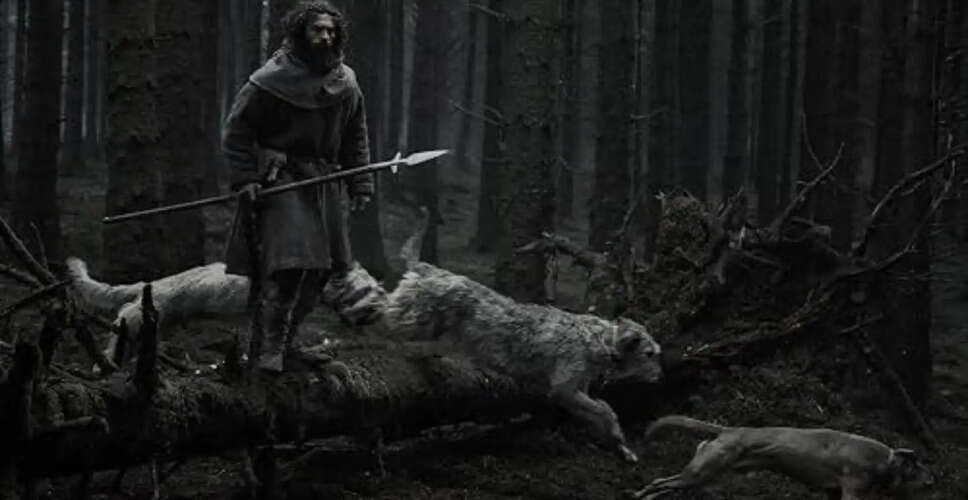
Director Robert Eggers is set to offer a unique, historically grounded interpretation of the werewolf mythos in his forthcoming film, 'Werwulf.' Unlike contemporary portrayals that often feature full-moon transformations and fantastical elements, this movie is rooted in the year 1305, aiming to authentically depict the fears and cultural beliefs surrounding wolves and human metamorphosis in medieval England.
The film draws heavily from the historical context of the Middle Ages, a period when wolves were perceived as a real danger to rural communities and were often demonized by the elite. By situating the story in the early 14th century, Eggers explores a time when the distinction between natural predators and mythical beasts was frequently blurred in the minds of the people.
Exploring Historical Context and Folklore
The storyline of 'Werwulf' is inspired by actual historical events, including a decree from King Edward I in 1281, which tasked Peter Corbet with eliminating wolf populations near the Welsh border. This organized effort to hunt wolves serves as a thematic backdrop for the film, reflecting the deep-rooted fears that plagued society. Although the narrative unfolds in 1305, it resonates with the widespread anxiety of the time, where wolf hunting became intertwined with local superstitions.
Eggers is also set to delve into the transformation of the werewolf figure in literature over the ages. In the 12th century, stories like 'Bisclavret' and 'Guillaume de Palerne' portrayed werewolves not as villains but as tragic beings—humans cursed to exist in animal form. These early narratives highlighted the creature's humanity, contrasting sharply with the more sinister interpretations that arose during the European witch hunts.
The Shift from Folklore to Film
As time progressed, the image of the werewolf became increasingly associated with witchcraft, murder, and demonic forces. This period of hysteria had dire real-world implications, exemplified by the case of Peter Stumpp, a German farmer executed for alleged werewolf crimes. Historical documentation reveals that many individuals across Europe faced similar accusations during this era of heightened superstition.
The legends continued to evolve into the 19th century, with folklorists like Sabine Baring-Gould documenting these oral traditions in works such as 'The Book of Were-Wolves,' published in 1865. These writings eventually influenced 20th-century cinema, particularly the iconic 1941 film 'The Wolf Man.' With 'Werwulf,' Robert Eggers aims to revisit these foundational myths, providing a fresh cinematic perspective that connects historical truths with the lasting impact of werewolf folklore.