
Inside Christopher Nolan's Epic Journey: The Making of 'The Odyssey'

A Commitment to Practical Filmmaking
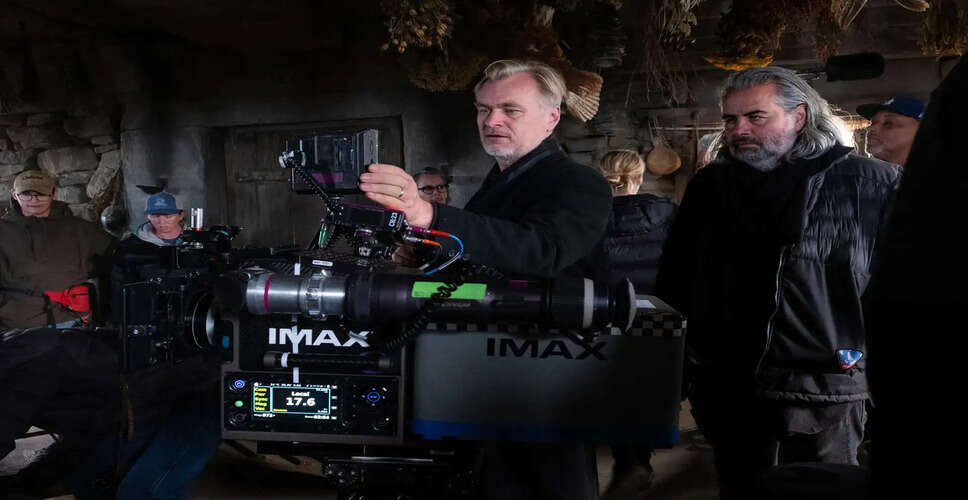
Christopher Nolan is celebrated for his dedication to practical effects, a principle that was taken to new extremes during the filming of 'The Odyssey.' Instead of relying on CGI, Nolan and his crew focused on creating real environments and employing tangible solutions to tackle the film's mythological elements. Producer Emma Thomas and lead actor Matt Damon described the shoot as so intense that it felt like producing seven major films at once, with the cast and crew traversing remote mountains, deserts, and vast oceans to capture the necessary footage.
Grounded in Reality: The Hades Sequence
The film's commitment to realism extended even to its most fantastical scenes. For the intense Hades sequence, where the spirits of fallen warriors rise from the ground, actors were buried in black sand in Iceland. To ensure their safety, each performer was provided with a snorkel and closely monitored by a safety expert, allowing for authentic footage of the figures emerging from the earth.
Innovative Practical Effects
The portrayal of the Cyclops, Polyphemus, featured a massive 60-foot puppet animated by performer Bill Irwin. This scene was filmed in Nestor’s Cave in Greece, designed to evoke a real sense of claustrophobia and fear. Nolan aimed to depict the monster as a genuine threat rather than a mere caricature. The production also utilized forced perspective techniques to create the illusion of the giant Laestrygonians, employing stunt performers of different heights to dwarf the Greek soldiers. Interestingly, promotional images for the film feature a four-foot-six-inch stunt performer in place of Matt Damon to maintain the scale of the scene.
Authenticity on the High Seas
A key aspect of the film was the Draken Harald Hårfagre, a 115-foot Viking ship built using traditional materials such as oak, hemp, and tar. This vessel was not just a prop but a character in its own right, necessitating that the cast undergo extensive training to sail and row in open ocean conditions. Cinematographer Hoyte van Hoytema remarked that the unpredictable nature of the sea, including the crew's real experiences of seasickness, added to the film's gritty, documentary-like feel.
The Complexity of the Trojan Horse
The creation of the Trojan Horse was equally intricate. Standing at 35 feet tall and weighing up to 9,000 pounds, this prop was constructed from fibreglass panels inspired by ancient shipbuilding techniques. To film the interior scenes, Nolan and his team squeezed into a silo-like structure equipped with LED lights to mimic sunlight. This approach aimed to capture an organic, claustrophobic atmosphere that could not have been achieved through conventional methods or digital effects. The film stands as a testament to the team's unwavering commitment to practical solutions for every narrative challenge.