
How Tom Holland's Spider-Man Redefined a Classic Origin Story
Tom Holland's portrayal of Spider-Man has significantly altered the superhero's origin narrative, moving away from the traditional focus on Uncle Ben's death. Instead, the emotional core now revolves around his relationship with Aunt May, culminating in pivotal moments that shape his character. This article explores the creative decisions behind this transformation and how Holland's unique acting style influenced the direction of Spider-Man's story in the Marvel Cinematic Universe. Dive in to understand the nuances of this iconic character's evolution.
| May 6, 2026, 23:32 IST
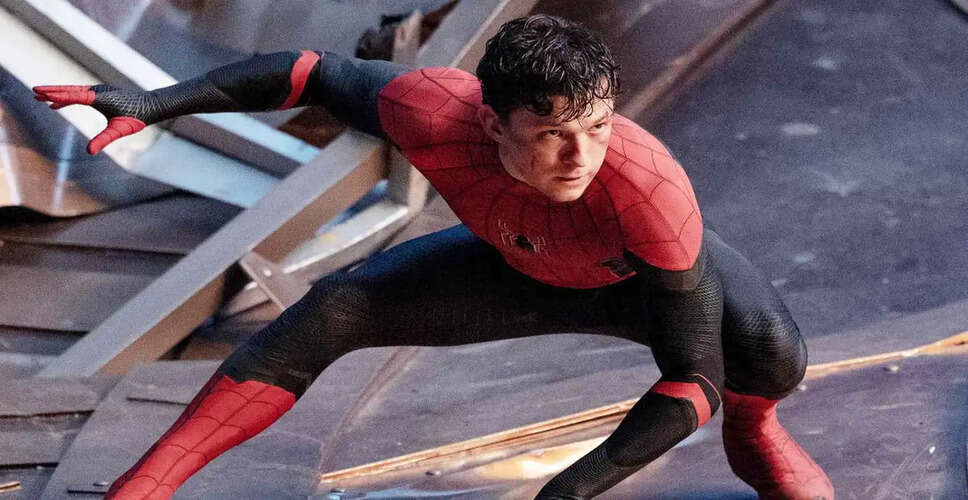

The Unique Journey of Spider-Man's Origin
Few superheroes have an origin story as impactful and memorable as Spider-Man. For years, the tale of Peter Parker has been deeply intertwined with the tragic loss of Uncle Ben, a defining moment that shapes his sense of responsibility. However, when Tom Holland stepped into the role within the Marvel Cinematic Universe, this crucial twist was notably absent. Instead of mirroring previous adaptations, the creators chose to reinvent Spider-Man’s motivations. What led to this significant change, and how does Tom Holland play a role in it? Let’s delve deeper.
Tom Holland's Influence on Spider-Man's Narrative
According to Joe Russo, a key figure in the MCU's creative team, the decision to alter Spider-Man’s traditional origin story was heavily influenced by Tom Holland’s unique acting style and charisma. In earlier portrayals, particularly by Tobey Maguire and Andrew Garfield, Peter Parker’s grief over Uncle Ben’s death was central to his character development.
Traditionally, the story illustrates Peter gaining his powers and choosing not to intervene during a crime, only to later discover that the perpetrator is responsible for Uncle Ben’s death. This guilt serves as the driving force behind his transformation into Spider-Man, encapsulating the well-known adage: with great power comes great responsibility.
However, Russo explained to CBR that applying this same emotional weight to Holland’s version would have fundamentally changed the character. “If he blamed himself for Uncle Ben’s death, I think he becomes a very different character,” Russo noted. The filmmakers believed that Holland’s Spider-Man is more compelling as a lighter, more optimistic figure, especially in his early years, rather than being burdened by deep personal sorrow from the outset.
Shifting Focus from Uncle Ben to Aunt May
In the MCU, Uncle Ben is rarely referenced, while earlier adaptations like Spider-Man and The Amazing Spider-Man portrayed him as a vital character. Instead, the emotional focus of Peter Parker’s journey transitions towards his relationship with Aunt May. This shift culminates in Spider-Man: No Way Home, where Peter’s inability to save Aunt May becomes a significant moment of sorrow. Unlike previous versions, where guilt over Uncle Ben shapes Peter from the beginning, the MCU allows this sense of responsibility to develop gradually.
In fact, it is through Aunt May’s death that Peter fully embraces the moral implications of being Spider-Man. The film resonates with the classic theme when May delivers a version of the iconic line about responsibility before her passing. The emotional fallout nearly pushes Holland’s Spider-Man towards a darker path, stopping just short of revenge, thanks to the mentorship from Maguire’s older, more experienced Spider-Man.