
How Jaws Became a Game-Changer in Hollywood: The Untold Story
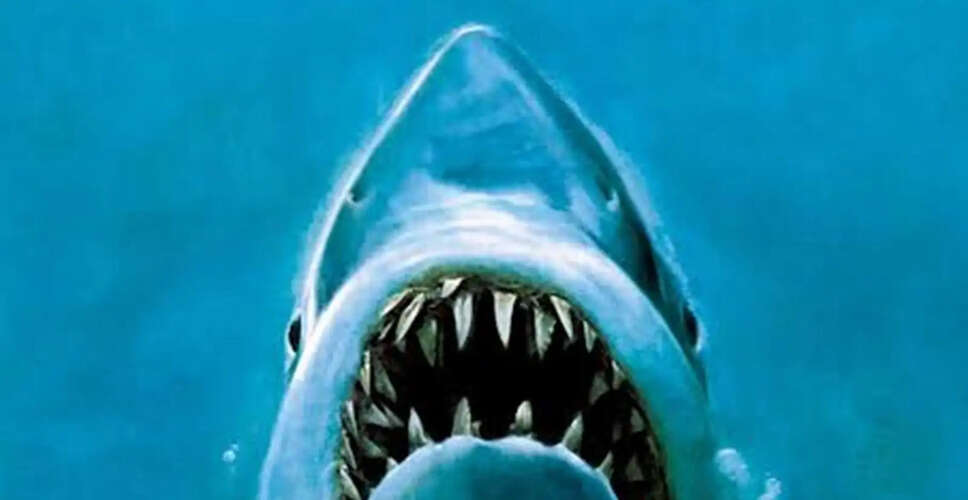

The Unexpected Journey of Jaws
When Steven Spielberg embarked on the making of Jaws, few anticipated it would evolve into a cultural icon. Initially projected to flop, the film ultimately raked in over $490 million globally from a modest budget of $7 million. The production faced numerous challenges, marking a significant milestone as it was the first major film shot extensively in open waters near Martha’s Vineyard.
The filming was fraught with technical difficulties and environmental obstacles. The mechanical shark, affectionately named Bruce by the crew, was intended for freshwater and often malfunctioned or sank in the saltwater. These setbacks, along with erratic weather and boats inadvertently drifting into frame, caused the original 55-day shooting schedule to extend to 155 days. Richard Dreyfuss, one of the film's leads, famously noted that the project kicked off without a completed script, a finalized cast, or a working shark.
Transforming Challenges into Triumphs
These ongoing technical issues compelled Spielberg to adapt his directorial style. Inspired by Alfred Hitchcock's suspense techniques, he chose to keep the shark hidden for much of the film. Spielberg later reflected that the malfunctioning prop inadvertently became a creative asset, enhancing the film's narrative. Despite the turmoil, Jaws emerged as a critical triumph, winning Academy Awards for film editing, sound, and original score.Universal Pictures made a bold choice with the film's distribution, opting for a wide release instead of the conventional gradual rollout. This strategy proved successful, as Jaws broke opening-weekend records with $7 million and became the first film to exceed $100 million at the domestic box office. This success revolutionized the industry, demonstrating that summer releases could be lucrative and setting the stage for the modern blockbuster.
Reflecting on the production, Spielberg has mentioned facing the possibility of being fired multiple times. He often regards this shoot as the most challenging of his career. Initially worried that the film would be deemed a failure, its lasting legacy has proven otherwise. When adjusted for inflation, Jaws' global earnings are estimated to be around $2.1 billion, solidifying its place as a cornerstone of cinematic history.