
How a Midnight Screening Strategy Transformed The Rocky Horror Picture Show into a Cultural Icon
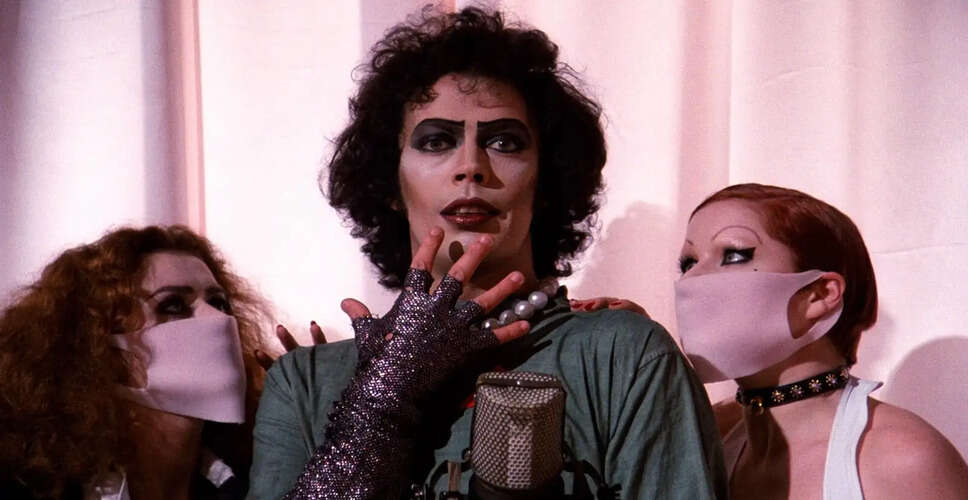

The Initial Struggles of a Cult Classic
Upon its release, The Rocky Horror Picture Show was deemed a commercial flop. With a production budget estimated between $1.2 million and $1.4 million, the film failed to attract viewers during its initial screenings. Its debut weekend was particularly disheartening, raking in just over $21,000 from two theaters. For 20th Century Fox, the film seemed like a major financial letdown, especially as the studio was focused on the monumental demands of Star Wars.
A Game-Changing Strategy
However, the film's fate took a remarkable turn thanks to Tim Deegan, a young advertising executive. Although he wasn't particularly fond of the film, Deegan saw its potential after noticing repeat audiences at a Los Angeles theater. While the studio considered dropping the project due to its lackluster performance in college markets like Ohio, Deegan suggested a bold new approach: midnight screenings. This idea, which he framed as a way to create a sense of discovery, ultimately transformed the film into a pop-culture sensation.
The Birth of a Phenomenon
The Midnight Strategy and Lasting Legacy
The pivotal moment arrived on April 1, 1976, when the film premiered at the Waverly Theater in New York City. A modest ad in the Village Voice led to a sold-out screening, with lines wrapping around the block. The theater operator decided to keep the film running indefinitely, and soon after, Austin, Texas, adopted the midnight screening model. This new exhibition strategy helped the film build a loyal fanbase that would ultimately shape its legacy.An Interactive Experience
Over the years, The Rocky Horror Picture Show evolved into an interactive event. Audiences began to dress as characters, quote lines, and use props, while amateur theater groups often performed alongside the screenings. This atmosphere turned the film into a haven for various communities, including the LGBTQ+ crowd, theater lovers, and those who resonated with its unconventional themes. Deegan, who later chronicled the film's journey in a book, expressed pride in the community that emerged around it.
A Lasting Impact
Now, fifty years post-release, the film has grossed approximately $170 million and holds the record for the longest theatrical run in history. Its cultural influence continues to grow, highlighted by a 4K Ultra HD restoration from Disney and a 55-city tour featuring original cast members Barry Bostwick, Patricia Quinn, and Nell Campbell. Looking forward, the Sphere in Las Vegas is set to present a new cinematic experience of the film in 2027, solidifying its place in entertainment history.