
Exploring Love Beyond Tradition: The Unique Narrative of 'Wicker'

A Surreal Take on Marriage
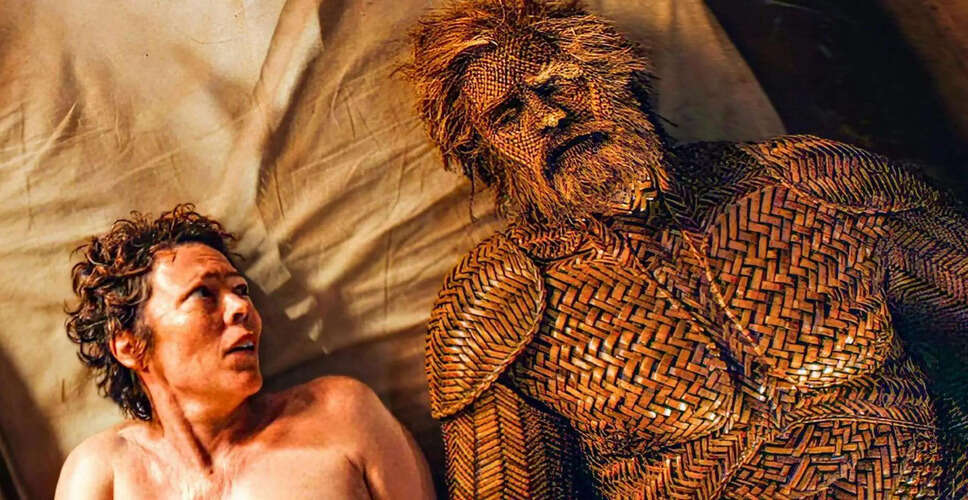
The dark fantasy film 'Wicker' stars Alexander Skarsgård and Olivia Colman, presenting a thought-provoking critique of marriage. By incorporating a surreal twist—a husband made entirely of wicker—the film challenges the conventional views on societal norms and the interpersonal issues that often arise in relationships. Instead of portraying marriage as a guaranteed source of happiness, it reveals how the institution can hinder true companionship.
The plot follows a reclusive fisherwoman, played by Colman, who resides on the outskirts of a judgmental community. While she cherishes her independence through her work, she faces constant scrutiny regarding her single status. The narrative takes a turn when she forms a bond with a wicker man, an artisan-crafted figure that defies traditional expectations of a partner. This unusual relationship serves as a lens to examine the differences between human and non-human intimacy.
Confronting Traditional Marital Norms
Challenging Societal Expectations and Marital Dynamics
Within the village, the film portrays various human marriages marked by a lack of intimacy, respect, and emotional connection. This contrast is highlighted through the experiences of local couples, including a baker and his wife, who grapple with a complete absence of physical closeness. Such portrayals suggest that societal pressures to adhere to traditional roles often result in superficial relationships that fail to deliver the promised support and affection.
A significant moment unfolds during a wedding ceremony, where a groom must place a heavy metal collar around his bride’s neck to symbolize duty. This scene critiques the possessive and restrictive nature of traditional marital customs, emphasizing the physical and emotional burdens these rituals impose. In stark contrast, the wicker husband, played by Skarsgård, rejects these performative acts of ownership. By not treating his wife as property or demanding her independence, he offers a form of companionship that is depicted as more caring and attentive than the human relationships found in the village.